

The Best Clothing for Hiking: A Comprehensive Guide
What is the best clothing for hiking? With so many options on the shelves, labels full of technical jargon, and Facebook group members all chiming in with advice, it can get pretty confusing.
Sure we can wear whatever makes us comfortable – when leaving the house. But what happens when you climb that mountain, and your sweat starts to chill you, or when the weather takes an unexpected turn? The right clothing is not merely about aesthetics, it is essential gear that supports your performance across varying terrains and weather conditions.
We're going to take a deep dive into the best clothing for hiking, and explore the “why” we need to wear certain items. This will give you a greater understanding and help you make better choices when purchasing gear, or getting dressed for that hike!
Quick Links in this Guide:
A full list of inclusions can be found in the Table of Contents
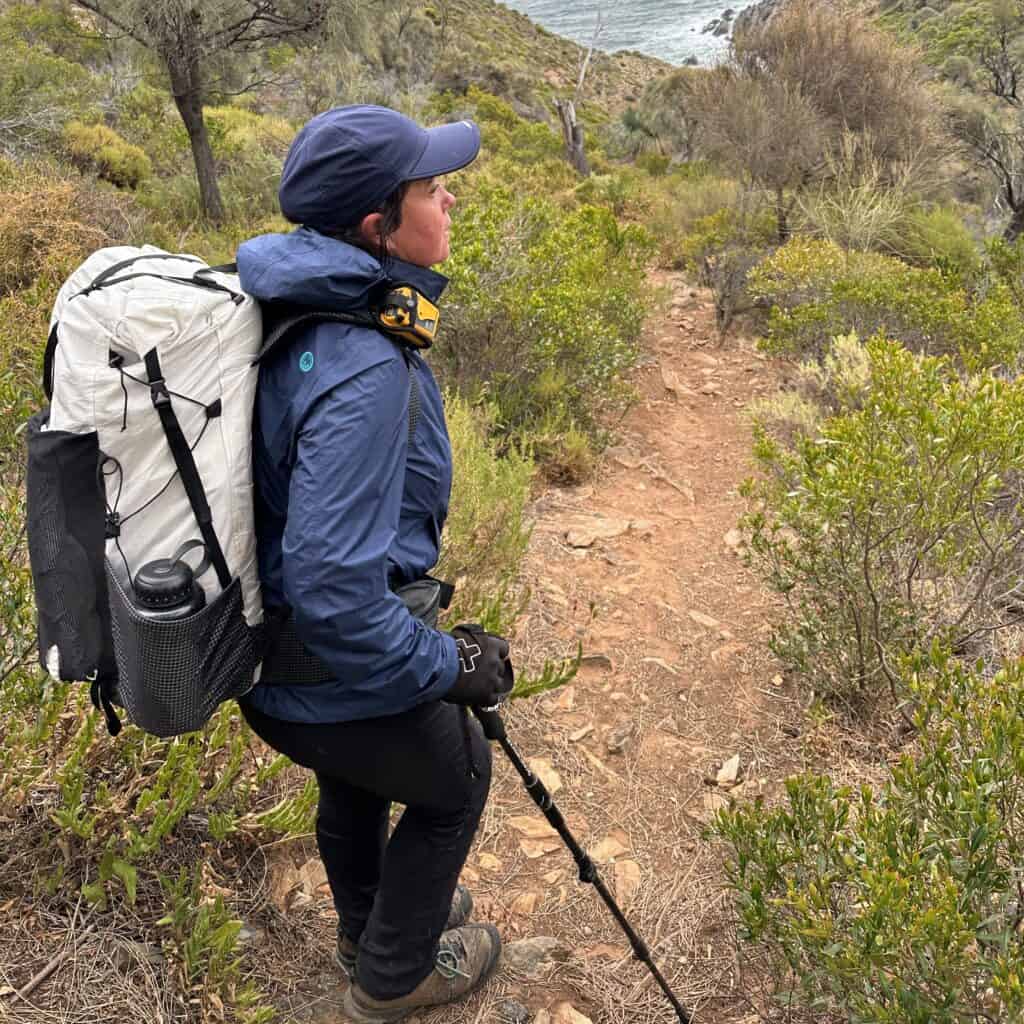
This article may contain affiliate links. If you make a purchase using one of these links, we may receive compensation at no extra cost to you. See our Disclosure Policy for more information.
As well as The Best Clothing for Hiking – You might like to Check out our Companion Guides
What to Pack for a Day Hike
The Best Food for Day Hikes
Understanding the Elements
Before you step foot on the trail, checking the weather and having an understanding of the trail's elevation is important. Conditions can shift dramatically as elevation increases, and what starts as a warm, sunny hike can quickly transition to even snowy conditions. This is especially true in mountainous regions where altitude plays a significant role in weather patterns and temperature changes.
I’ve experienced this more than once. On the Arctic Circle Trail, I had eight days of 35°C heat under the polar sun, followed by two days of snow and sub-zero temperatures. And in alpine Tasmania, I was snowed on during a December 26 hike—peak summer in Australia. The Larapinta Trail in the “red centre” desert in Australia may have had some hot, hot days, but there was some bone-rattling sub-zero nights, and even one night with an ice-storm! Hiking often puts you in the wilderness, and with that, you are subject to the elements.
Altitude and Elevation
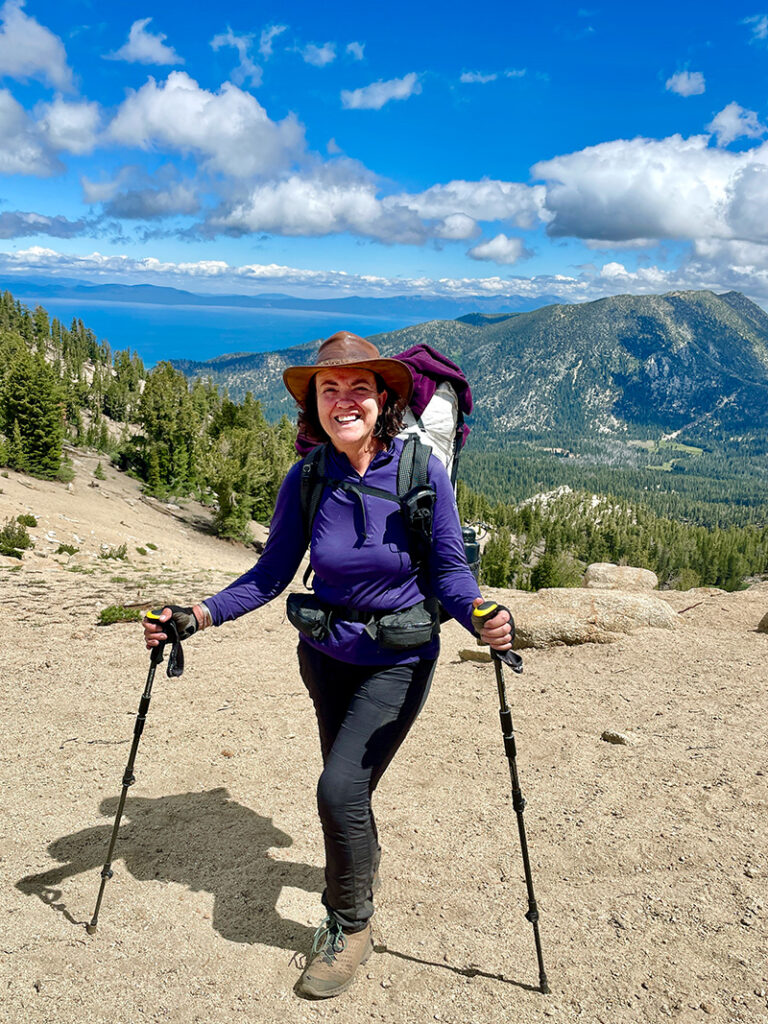
Interestingly, as you ascend on a trail, the temperature generally drops about 6.5°C for every 1,000 metres of elevation gain (or roughly 3.5°F per 1,000 feet).. This means that even if your hike starts in the warm valley, you might encounter much cooler temperatures at higher elevations. Additionally, higher altitudes can mean increased wind speeds and more intense UV radiation, which requires specific clothing choices to protect your skin and retain body heat.
Environmental Factors
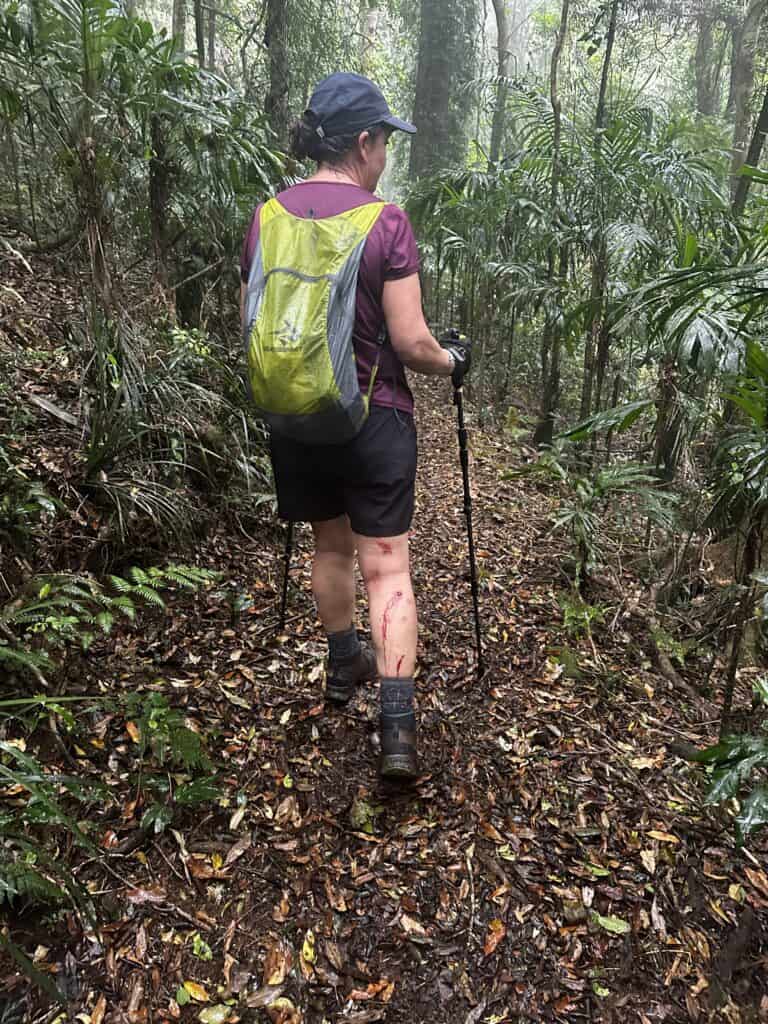
Different environments require different clothing choices. For instance, hiking through a rainforest presents challenges like high humidity and frequent rainfall, which requires breathable, quick-drying fabrics and reliable waterproof outerwear. On the other hand, desert hikes expose you to extreme heat and intense sun, making lightweight, UV-protective clothing essential.
- Rainforests: The dense canopy can create a humid, muggy environment that makes you sweat more, increasing the risk of dehydration and heat exhaustion, so breathable, moisture-wicking fabrics are best. But on the flip side, rain can come on suddenly—and heavily. If you get caught in a downpour, you’ll get drenched fast, and that can turn cold. A lightweight, breathable waterproof jacket is the most effective way to stay dry without overheating.
- Deserts: In contrast, desert environments can have scorching daytime temperatures that plummet at night. Here, you need to protect yourself from the sun with long-sleeved, UV-protective clothing while also being prepared for cooler nighttime temperatures with additional layers.
The Art of Layering
We've all heard about layering, but what does it mean and how does it actually work? The answer depends on whether you're hiking in cold or warm conditions, because the layering strategy is completely different.
By understanding the art of layering, you can effectively regulate your body temperature. Whether facing hot weather or cold conditions, the strategic stacking of clothing layers helps with providing insulation, moisture management, and protection against the elements.
As I mentioned above, layering for hiking in cold weather is completely different to layering for hiking in hot weather. So let's look at both of these and find out the difference.
Layering your Clothes for Hiking in Cold Weather
In cold weather, the art of layering is like cocooning yourself in a warm embrace.
Close-fitting layers snuggled against your skin create a barrier that traps body heat, keeping you snug and cozy while preventing warmth from escaping. This not only ensures comfort but also wicks away moisture, leaving you dry and comfortable. This is known as a base layer and is tight against the skin.
Adding additional layers enhances the base layer's insulation by adding snug-fitting clothes. Each layer of clothing helps to trap warm air close to the body, and forms a protective shield against the cold outdoor temperatures.
Basically, having the layers close together minimises the gaps where cold air may seep in and heat may escape. By creating a seamless barrier of closely packed layers, you optimise the heat retention capacity of your clothing, resulting in maximum warmth and comfort.

Like This?
We'd love you to share this great guide!
Layering your Clothes for Hiking in Hot Weather
Conversely, in hot weather, envision layering as adopting loose, breathable garments that allow air to flow freely, creating a refreshing breeze around your body. By providing space between layers, heat can dissipate, and helps with evaporation, which results in a cooling effect.
Understanding layering is not just about dressing appropriately for the weather; it's about an adaptable clothing approach that caters to your comfort and performance needs in various environments and activities.
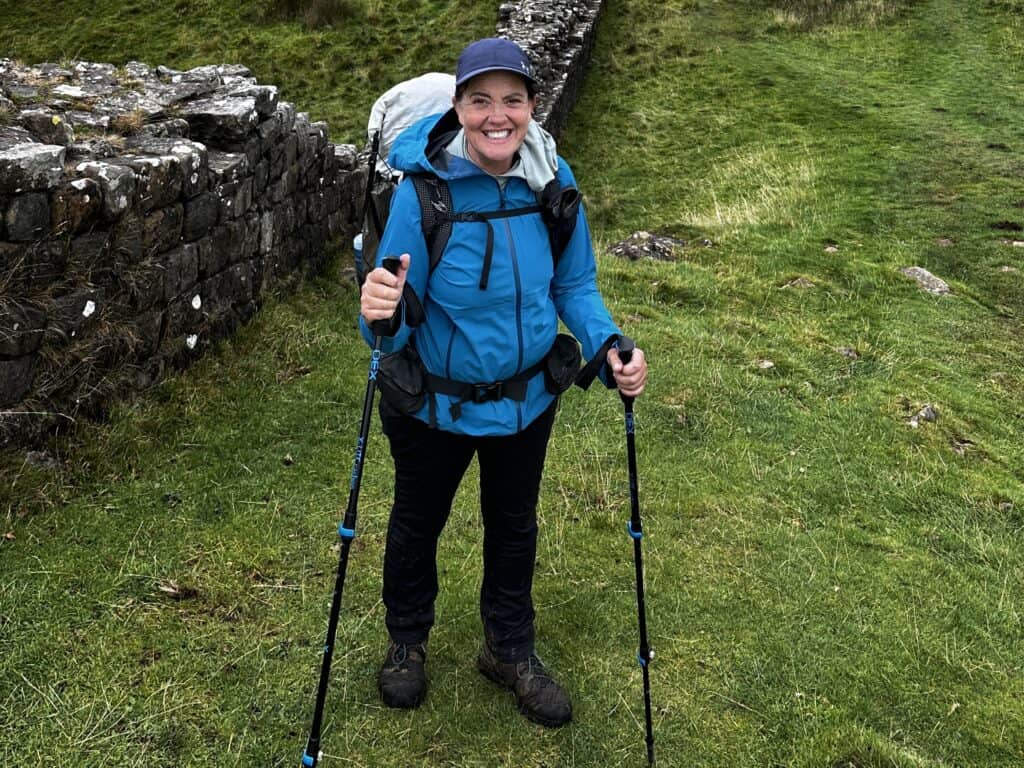
Performance Fabrics – the Best Clothes for Hiking
We’ve all heard the term “Performance Fabrics.” To be honest, it tends to conjure images of a Nike athlete in full flight. So is it just a marketing buzzword—or do performance fabrics actually “Perform” ?
Performance fabrics are actually very clever. They're designed to optimise outdoor comfort in diverse climates. Let's explore exactly how these performance fabrics excel whether you're facing sweltering heat or icy cold temperatures.
Performance Fabrics for Hot Weather
Cooling: These fabrics feel cool against your skin because they're made to let air flow through easily so your body heat can escape. Think of them like a mini fan built right into the fabric. A good example would be a lightweight, open-weave polyester or nylon designed specifically for ventilation.
Moisture-Wicking: Sweat can make you feel sticky and uncomfortable. Moisture-wicking fabrics are designed to solve that by moving sweat away from your skin and spreading it across the outer surface, where it dries quickly. It’s like the fabric is a sponge that lifts the sweat off and pushes it out to evaporate.
So how does that actually work? Typically, the fibres are woven in a way that increases surface area and creates tiny channels within the fabric. This speeds up the process, by pulling moisture from the inside of the fabric to the outside.
UV Protection: Just like sunscreen blocks harmful sun rays, there's clothing that does the same. Fabrics with UV protection are woven in a way to help shield your skin from the sun's rays, keeping you safer while you're out and about.
Put these three types of fabrics together, and you've got gear that helps you feel cooler, drier, and protected under the sun. They’re a game-changer for sports, outdoor fun, or just staying comfy on a hot day!
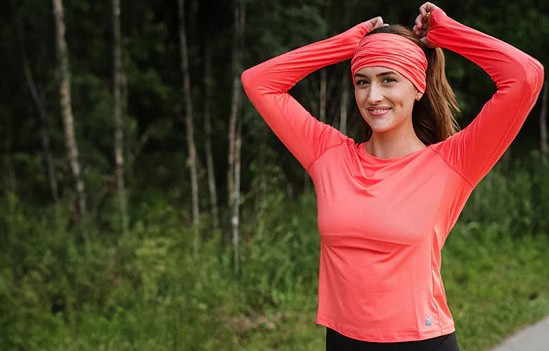
Fieldshare is renowned for its expertise in manufacturing performance apparel Their excellent range of hot weather gear delivers exceptional cooling benefits, while also providing SPF50 protection for added sun defence.
Performance Fabrics to Wear in Cold Weather
Gore-Tex®
Waterproofing: Acts like a shield against rain and snow, keeping you dry and cozy.
Breathability: Works as tiny vents to let sweat escape, preventing stickiness.
Wind-proofing: Blocks cold wind, ensuring warmth in harsh conditions.
Durability: Known for toughness, withstands rough terrain without tearing.
Gore-Tex® is used in Outdoor Jackets and footwear
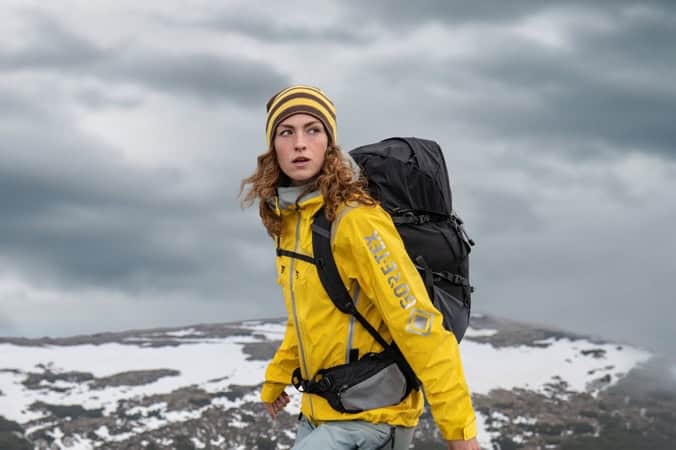
Hardshell Fabrics
Material Composition: Hardshell fabrics are typically composed of a blend of polyester or nylon with specialised waterproof membranes for superior weather protection.
Water Resistance: Enhanced with durable water repellent (DWR) coatings, hardshell fabrics effectively repel moisture, keeping you dry in rainy and snowy conditions.
Tear Resistance: Engineered to be tough and durable, hardshell fabrics are resistant to tears even in rugged environments, providing exceptional durability.
Most Waterproof Jackets and Pants are made with hard shell fabrics

Pack Light, Pack Right – Free Interactive Checklists
No More Overpacking. No More Forgetting Essentials.
Our free interactive packing lists help you pack methodically and remember everything. Add notes, quantities, save or print, and share with hiking partners so everyone knows what’s covered and what they need. Works on any device.
Available for multi-day wilderness camping, hut-to-hut hikes, and inn-to-inn walks, with new lists added frequently.
Softshell Fabrics
Composition: Soft-shell fabrics are typically a blend of polyester, nylon, and elastane for a balance of durability, stretch, and comfort.
Versatility: Soft-shell fabrics offer flexibility and ease of movement for various outdoor activities. Weather Resistance: Blended with water-repellent additives, soft-shell fabrics offer moderate protection against light rain and wind to keep you comfortable.
Breathability: Allows for enhanced airflow and moisture wicking, preventing overheating during activities.
Soft shell fabrics are used in a large range of outdoor active wear, including Jackets, pants, and gloves.
Down Alternative – PrimaLoft® and Thinsulate®
Down alternatives like PrimaLoft® and Thinsulate® are synthetic insulations designed to mimic the warmth and comfort of natural down while offering additional benefits:
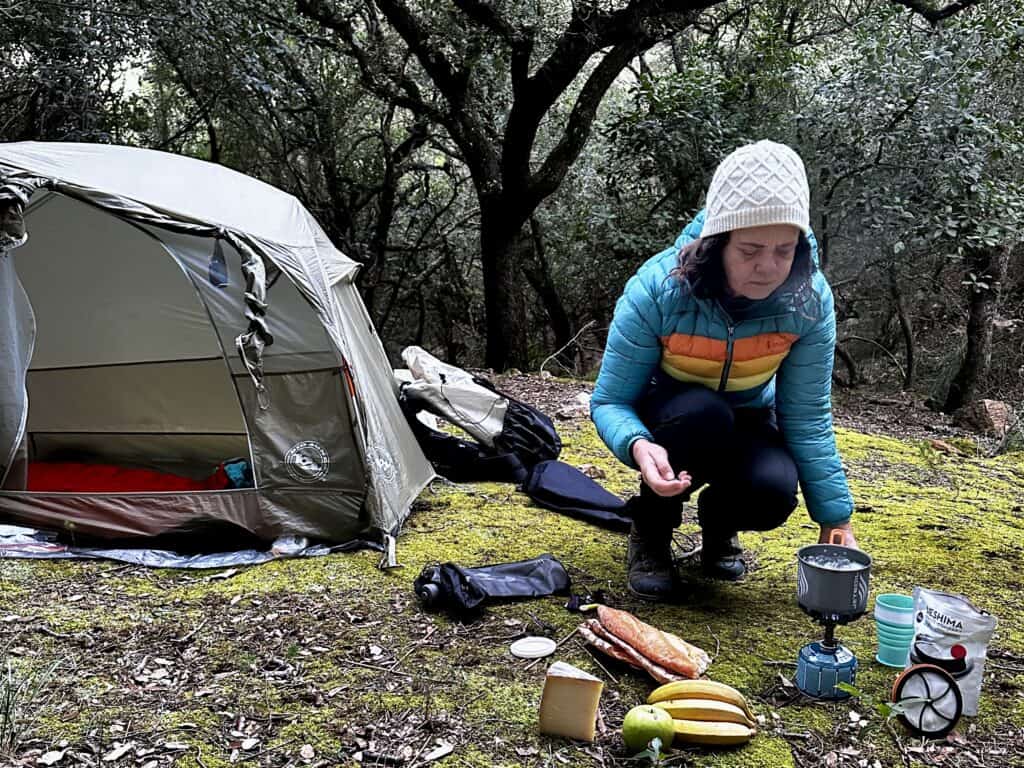
Warmth: PrimaLoft® and Thinsulate® provide cozy insulation similar to natural down, ensuring you stay snug and comfortable in cold weather.
Moisture Resistance: Selected types of these down alternatives are designed to repel moisture, keeping you warm and dry in damp conditions.
Eco-friendly: PrimaLoft® and Thinsulate® are sustainable and animal-friendly choices for responsible insulation, making them ideal options for environmentally conscious consumers seeking warmth without compromising their values.
PrimaLoft® and Thinsulate® are primarily used in Insulated Jackets and Camp Booties
Fleece
Fleece is typically made from polyester fibres, which are known for their insulating properties. The structure of fleece fabric creates air pockets that trap warm air close to the body, providing excellent thermal insulation.
The air pockets within the fleece fabric prevent heat loss by creating a barrier that retains body heat, keeping you warm and comfortable in cold weather conditions. Additionally, the synthetic fibers in fleece are hydrophobic, meaning they repel moisture and continue to provide warmth even when damp.
I think almost everyone who doesn't reside in tropical climates would own a fleece!
Merino Wool
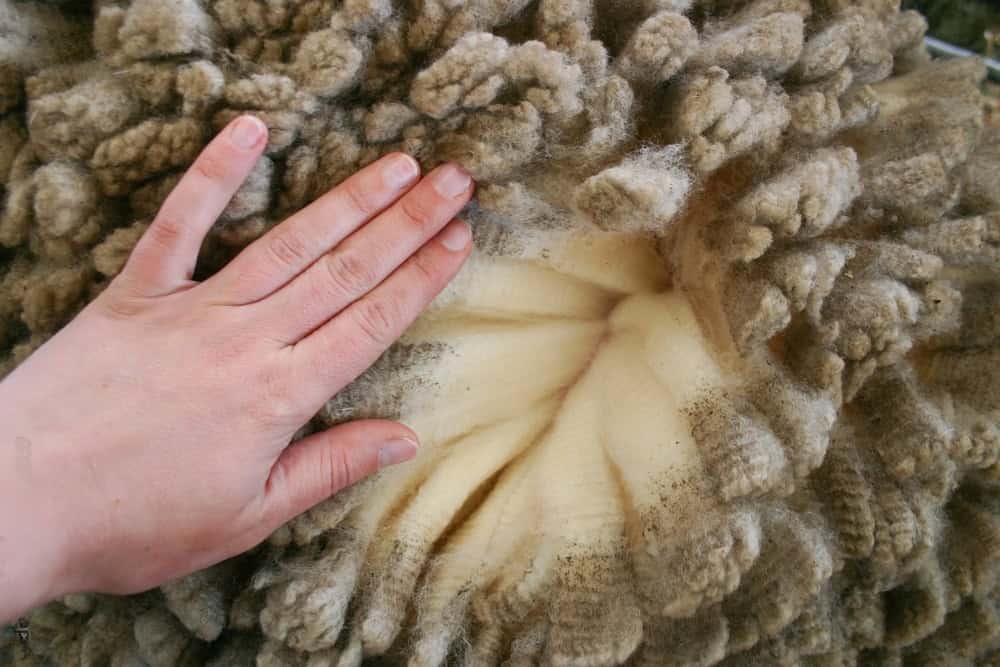
Merino wool‘s ability to retain heat is tied to its unique fibre structure. Merino wool fibres have a natural crimp that creates insulating air pockets within the fabric. These air pockets trap heat close to the body, providing excellent thermal insulation and keeping you warm in cold conditions.
Additionally, the fineness of Merino wool fibres contributes to their warmth-retaining properties, as finer fibres can bend more easily, allowing them to trap more air and create a greater insulating effect.
Merino wool's natural antibacterial properties help prevent the growth of odour-causing bacteria, keeping garments fresh and odour-free even with extended wear.
Because if it's antibacterial properties, Merino wool is used for base layers, mid-layers, underwear, and socks
Base Layers made from Performance Fabrics
Fabric Composition: Base layers are often crafted from moisture-wicking materials for superior moisture management and comfort. These fabrics efficiently pull sweat away from the skin to the outer layers of clothing, aiding in regulating body temperature and keeping the skin dry during physical activities.
Thermal Regulation: Designed to regulate body temperature, performance base layers provide insulation in cold weather and cooling in hot conditions.
Odour Control: Many performance fabrics used in base layers feature antimicrobial properties to prevent odour buildup and keep you feeling fresh during extended activities.
Assembling The Best Clothes for Hiking
Now that you know all about layering and learnt about the various performance fabrics, you are ready to assemble your hiking wardrobe! Remember to pack extra layers in case of weather changes, which can be particularly common when changing elevation.
What to Wear Hiking in Hot Weather
When selecting hiking clothing for hot weather, look for properties such as moisture-wicking capabilities and SPF 50 sun protection to ensure comfort and protection while Hiking in the Heat.
- Lightweight, Moisture-Wicking Shirt: A breathable, moisture-wicking shirt to keep you cool and dry. – OR
- Sun Hoodie: A lightweight hoodie that offers UV protection for your neck and arms.
- Quick-Dry Shorts or Pants: Choose breathable, quick-drying materials to keep you comfortable.
- Wide-Brimmed Hat or Cap: Protects your face and neck from the sun’s rays.
- UV-Blocking Sunglasses: Protects your eyes from harmful UV rays.
- Moisture-Wicking Socks: Take along a change of socks if it's going to be a long hot day – your feet will thank you for it!
- Consider toe socks if you are prone to blisters
- Cooling Bandana or Buff: Helps regulate temperature and protects your neck.
What to Wear Hiking in Cold Weather
Your gear should prioritise insulation and moisture protection. Layers that can be easily added or removed will help manage body heat effectively.
- Moisture-Wicking Base Layer: Keeps sweat away from your skin to prevent chills.
- Insulating Mid-Layer: A fleece or down jacket to retain body heat.
- Waterproof and Windproof Outer Layer: Protects against wind, rain, and snow.
- Insulated Pants or Thermal Leggings: Provides warmth while allowing for movement.
- Warm Hat or Beanie: Retains heat and protects your head from the cold.
- Thermal Gloves: Keeps your hands warm and flexible.
- Insulated, Moisture-Wicking Socks: Keeps your feet warm and dry
The Best Footwear for Your Hike
Choosing the right footwear on your hiking adventure will provided the necessary support, comfort, and protection for your feet. Different types of footwear are suited to different types of trails and conditions. Here’s a detailed look at hiking boots, trail runners, and hiking sandals.
Hiking Boots: Hiking boots are designed for rugged terrain and long hikes, offering excellent support, stability, and protection.
- Support: Hiking boots provide ankle support, which is essential for carrying heavy packs or navigating uneven terrain.
- Durability: Made from tough materials like leather and high-grade synthetics, they withstand harsh conditions and prolonged use.
- Waterproofing: Many hiking boots come with waterproof membranes (like Gore-Tex®) to keep your feet dry in wet conditions.
- Traction: Deep lugs and sturdy soles offer superior grip on rocky, muddy, or slippery trails.
Trail Runners: Trail runners are lightweight shoes designed for speed and comfort on well-maintained trails.
- Lightweight: Trail runners are much lighter than hiking boots, reducing fatigue over long distances.
- Breathability: Made with breathable materials, they keep your feet cool and dry.
- Flexibility: Their flexible design allows for natural foot movement, enhancing agility and speed.
- Quick-Drying: Ideal for wet conditions, trail runners dry quickly, preventing blisters and discomfort.
Hiking Sandals: Hiking sandals are perfect for warm weather and water-based hikes, offering ventilation and comfort.
- Ventilation: Open design allows for maximum airflow, keeping your feet cool.
- Water-Friendly: Designed to perform well in wet conditions, hiking sandals are quick-drying and ideal for river crossings or beach hikes.
- Comfort: Cushioned soles and adjustable straps ensure a comfortable fit.
- Lightweight: Easy to pack and carry, making them a great secondary pair for multi-day hikes.
Each type of footwear serves a unique purpose and choosing the right one depends on the trail conditions and your personal preferences.
So Now you are Ready for the Trail Ahead!
Equipping yourself with the best clothing for hiking is not just about comfort—it's about enhancing your overall experience and ensuring your safety on the trail. By understanding the importance of appropriate attire for different weather conditions and selecting the right fabrics and layers, you can tackle any hike with confidence. Whether you're navigating the heat of a summer trail or the chill of a high-altitude path, the right gear makes all the difference.
For a comprehensive guide on what to pack in your day pack, check out What to Put in Your Day Pack: The Essentials. And to ensure you stay fuelled and energised on the trail, don't miss our guide on Food for Day Hikes.
Stay Safe on the Trails and Happy Hiking!!
Like This?
We'd love you to share this great guide!
If you enjoyed this guide – you may also like:
No posts