

South Island Hikes: 26 Epic Adventures (Part 2: Northern Trails)
I was born in New Zealand – Aotearoa, the land of the long white cloud. Though I’ve spent half of my adult life abroad, coming home to walk its trails always pulls at me. The South Island holds a kind of magic that’s hard to explain but impossible to forget. From limestone gorges to alpine ridgelines and coastal headlands, every step in the northern half of the island feels both familiar and new.
This post is Part 2 of my guide to South Island hikes. While Part 1 covered the southern tracks of Fiordland, Otago, and Stewart Island, here we’re heading north—to Marlborough Sounds, Nelson Lakes, Kaikōura, and Canterbury. These are not the Great Walks. They’re the trails that don’t always make it onto glossy brochures, but they’re every bit as rewarding. Wilder in places, quieter in others, and always unforgettable.
If you missed the first instalment, make sure you check out [Part 1: Southern Trails] before you set out to explore the full picture.
Together, these two posts showcase 26 epic South Island hikes that prove New Zealand’s backcountry is second to none. Let’s get started!
Note: Hiking or Trekking is known as Tramping in New Zealand. I just may revert to my native colloquialism from time to time.

Quick Links:
Easy/Intermediate:
Queen Charlotte Track | Kaikoura Coast Track | Te Ara Pātaka/Summit Walkway | St James Walkway |
Advanced:
Wangapeka Track | Inland Pack Track | The Old Ghost Road | Lake Angelus Hut – 4 Routes | Travers-Sabine Circuit | Harper Pass Track
Expert:
Mount Arthur Summit Route | Three Passes Route
Mountain Bike Friendly:
Queen Charlotte Track | The Old Ghost Road | Te Ara Pātaka/Summit Walkway
This article may contain affiliate links. If you make a purchase using one of these links, we may receive compensation at no extra cost to you. See our Disclosure Policy for more information.
OK, Let's get into it. Kicking off with a nice easy one, followed by a track that passes the purest lake in the world. Ready?
Queen Charlotte Track
Duration: 73.5 km / 45.5 mi | 3-5 days
Grade: Intermediate
Best Time to Walk: Year round.
Location: Marlborough Sounds, South Island


The Queen Charlotte Track, located in the picturesque Marlborough Sounds, is a versatile 3-5 day hike or mountain bike track offering a unique blend of coastal and forest scenery.
Starting from Ship Cove, a historic site where Captain Cook anchored, the trail winds its way through native bush, ridge lines, and along stunning coastal views.
One of the key features of this trail is the panoramic views of Queen Charlotte and Kenepuru Sounds, with the sparkling blue waters providing a stunning backdrop throughout the hike. It’s also possible to arrange boat transport to shorten sections or carry gear, making the track accessible to a range of fitness levels.
Unlike more remote trails, the Queen Charlotte Track offers various accommodation options, from basic campsites to luxury lodges, making it a good option for both budget-conscious hikers and those seeking more comfort
The Queen Charlotte Track is also the Marlborough Sounds section of the Te Araroa Trail. The track is also one of New Zealand’s Great Rides as part of Nga Haerenga – The New Zealand Cycle Trail.

Route and Highlights:
You can walk or ride the track in either direction, but it's best to start from Meretoto/Ship Cove.
The track traverses scenic ridges providing panoramic views of the Marlborough Sounds and the surrounding blue watered bays. Points of interest include historic Ship Cove, where Captain Cook once anchored, and the lush native bushland along Endeavour Inlet and the Kenepuru Sound.
Sections of the track are on private land and a Queen Charlotte Track Land Cooperative (Q.C.T.L.C.) Pass is required to walk or ride the track in these sections which are between Kenepuru Saddle and Davies Bay near Anakiwa.
With great access to all sections either by land or sea, the Queen Charlotte Track is great for day walks.
Accommodation and Facilities:
Unique among many tracks, the Queen Charlotte Track offers a mix of DOC campsites and private accomodation. Private accommodation includes options for hostels, cabins, motel and hotel lodgings, and luxury lodges.
There are 6 DOC huts each with toilets and water supply, however, there are no cooking facilities. Hikers can also arrange to have their pack/luggage carried between accommodation stops with the boat operators.
Difficulty and Accessibility:
The track is relatively moderate, suitable for all levels of fitness. It’s accessible year-round, and the well-maintained trail can be walked or biked, with water taxi services available to transport hikers and their gear.
Keen to explore without roughing it? The Queen Charlotte Track blends coastal beauty with creature comforts. You can book a guided experience through Intrepid Travel, that includes accommodation and transport—so you can focus on the views, not the logistics.


Don’t Gatekeep the Good Stuff.
Share this with your hiking crew — or anyone planning a New Zealand adventure!
Travers-Sabine Circuit
Duration: 80 km / 50 mi | 4-7 days
Grade: Advanced
Best Time to Walk: October to April
Location: Nelson Lakes National Park, South Island

The Travers-Sabine Circuit is one of New Zealand’s premier backcountry experiences, with the trail passing through breathtaking alpine passes, tranquil valleys, and around the striking Lakes Rotoiti and Rotoroa.
A side trip can also be taken to Rotomairewhenua (also known as ‘Blue Lake') is located in the depths of Nelson Lakes National Park. Translated as the ‘land of peaceful waters,' Rotomairewhenua is reputedly the clearest lake in the world
According to Māori legend, the chief Rākaihautū traveled to Aotearoa and used his kō (digging stick) to carve out the lakes, filling them with water. He placed kai (food) such as eel, freshwater mussels, and waterfowl in the lakes for future travellers. These lakes hold cultural significance for the Māori, particularly as they were vital stops on the traditional pounamu (greenstone) trails to the West Coast.

Route and Highlights:
The Travers-Sabine Circuit is best hiked clockwise, as crossing Poukirikiri/Travers Saddle is easier from the Travers side. Starting near St Arnaud, the route follows the Travers and Sabine Valleys. Hikers can get a water taxi to Lake Rotoiti to start the hike.
Poukirikiri/Travers Saddle (1,787m) is the highlight of the hike with incredible panoramic views of the surrounding mountains and valleys. Additional highlights include the crystal-clear waters of Lake Rotoiti, a side-trip to remote Rotomairewhenua/Blue Lake, and cascading waterfalls along the Sabine River.
Huts and Facilities:
Key huts on the circuit include Lakehead Hut and Coldwater Hut, John Tait Hut, Upper Travers Hut, West Sabine Hut, Sabine Hut and Speargrass Hut. All huts on the Travers-Sabine Circuit are serviced huts, with the exception of Coldwater Hut, which is a standard hut.
Difficulty and Accessibility:
The Travers-Sabine Circuit is challenging due to alpine crossings, unpredictable weather, and the risk of avalanches. While the track is well-marked, it can be steep and rough in certain areas. The circuit crosses over 20 recognised avalanche paths, with avalanches occurring annually, typically between June and October, though they can happen as late as December.
This circuit is not for the faint of heart, with steep and exposed sections, but the stunning alpine scenery makes it well worth the effort for experienced hikers.

Various side trips include:
- Hukere Stream, 4 hr: From the junction with the Travers Track, it is a steady ascent to Rotomaninitua/Lake Angelus and the lake‑filled basins of the Travers Range. More about Angelus Hut tracks and routes
- Hopeless Creek, 1 hr 30 min: Follow the river to Hopeless Hut
- Cupola basin, 2 hr 30 min: A strenuous climb leads to the lofty perch of Cupola Hut with superb views of Mount Hopeless.
- Rotomairewhenua/Blue Lake, 7 hr return: Head upstream from the West Branch Sabine swing bridge. A steep climb leads you to a high basin containing Blue Lake and Blue Lake Hut. Rotomairewhenua/Blue Lake is thought to be the clearest natural freshwater lake in the world.
- Rotomaninitua/Lake Angelus via Mount Cedric, 6 hr: The track begins behind Sabine Hut and climbs very steeply and steadily to the bushline. Poles and cairns mark the route from here, which eventually drops off the eastern side of a high ridge and descends to Rotomaninitua/Lake Angelus.


Mount Arthur Summit Route
Duration: 9.2 km / 5.7 mi | 3.5 hrs – 4.5 hrs
Grade: Expert
Best Time to Walk: November – April
Location: Kahurangi National Park, South Island
Located in Kahurangi National Park, the Mount Arthur Summit Track is a fantastic day hike offering spectacular 360° views from the summit of Mt Arthur ((1795 m / 5889 ft). Starting from Flora car park, the trail climbs steadily through subalpine forests before breaking out into tussock-covered ridge lines.
The views become incredibly expansive as you approach the summit of Mount Arthur, where you can see all the way to Tasman Bay and the surrounding mountains. The return journey gives you the same stunning views, and the track can be completed as a day hike or overnight by staying at Mt Arthur Hut and summiting Mt Arthur for sunrise. This hike is perfect for those wanting a relatively short yet rewarding alpine adventure in one of New Zealand’s lesser-visited national parks.

Route and Highlights:
Starting from Flora Saddle, the track winds through lush beech forest before opening up into alpine tussock fields. The final ascent to the summit is steep but the highlight includes panoramic views from the summit of Mount Arthur, with vistas extending to Tasman Bay, the Arthur Range, and beyond.
Huts and Facilities:
Mt Arthur Hut, located an hour and a half in on the track, offers basic overnight shelter with bunks and water. However, due to the short nature of the hike, most hikers opt for a day trip rather than overnighting in huts.
Difficulty and Accessibility:
While the trail can be completed in a day, hikers need to be prepared for sudden weather changes and strong winds on the exposed ridgelines.
Mt Arthur is a karst landscape. Care is required around the many bluffs, sinkholes and caves. It is recommended to stay on the track as it can be hard to spot sinkholes and caves.

Free New Zealand Hiking Packing List
Pack light and stay organised for your next hike on Aotearoa's famous trails. Add notes, save or print, and share with your hiking partners so everyone knows what’s covered. Works on any device.
The Old Ghost Road 
Distance: 85 km / 53 mi |
Hiking Duration: 4-5 days | Difficulty: Advanced
Biking Duration: 2-3 days | Difficulty: Advanced
Best time to walk: November – April
Location: Buller District, West Coast, South Island
Description:
The Old Ghost Road is an ambitious backcountry route that connects the ghost towns of Lyell and Seddonville. Once envisioned as a road to link the goldfields of the 1800s, it fell into disrepair and was left to the wilderness—until recent efforts turned it into a premier long-distance hiking and biking track.
What makes it particularly unique is its historical significance and rugged beauty. Walking this track feels like following in the footsteps of long-gone miners, with remnants of old goldfields, including the famed Mōkihinui Rover Gorge. The steep climbs, ridgelines, and valleys, along with frequent ghostly fog, give the track its eerie but enthralling name.

Route and Highlights:
The track starts at Lyell Historic Reserve and climbs steadily through dense forest and along river valleys, eventually reaching the alpine sections at Ghost Lake. Highlights include the spectacular Lyell Saddle and the Mokihinui Gorge. The mix of wild landscapes and historical landmarks creates a unique hiking and biking experience.
Huts and Facilities:
There are six huts along the track: Lyell Saddle Hut, Ghost Lake Hut, Stern Valley Hut, and Specimen Point Hut, are managed by the Old Ghost Road Trust, so bookings are essential. The remaining two, Goat Creek and Mokihinui Forks huts are DOC managed, and and are available on a first come basis.

Difficulty and Accessibility:
This trail is suited to experienced hikers due to the length, steep terrain, and exposure to the elements. The alpine sections, in particular, can be treacherous in bad weather, and river crossings can be tricky after rain. Proper fitness and preparation are necessary to tackle this remote trail.


Kaikoura Coast Track
Duration: 26 km / 16 mi | 2 Days
Grade: Easy/Intermediate
Best Time to Walk: November – April
Location: Kaikoura, South Island
The Kaikoura Coast Track is a 2-day private hike along the scenic Kaikoura coastline. This well-maintained track offers a relaxing and scenic adventure with stunning ocean views and native bush. The Kaikoura Coast Track is perfect for hikers looking for a shorter, more relaxed hike – with the added bonus of staying in comfortable lodges.

Route and Highlights:
The track takes you along the rugged Kaikoura coastline, with breathtaking views of the Pacific Ocean, rolling farmland, and the Seaward Kaikoura Range. Highlights include abundant wildlife, such as seals, dolphins and seabirds, and the stunning panoramic views from the hilltop sections of the track. The coastal scenery and peaceful farmland provide a tranquil setting for the hike.
Huts and Facilities:
Unlike many of New Zealand’s public tracks, the Kaikoura Coast Track features privately run lodges with comfortable accommodation, hot showers, and delicious home-cooked meals. These lodges offer a level of comfort not typically found on other hikes, making this track an excellent option for those seeking a more luxurious experience.
Difficulty and Accessibility:
The Kaikoura Coast Track is a relatively easy hike, suitable for beginners and families. With well-marked trails and comfortable accommodation, it’s a great option for those looking for a more leisurely hiking experience. The track can be completed year-round, and no special preparation or technical skills are required.
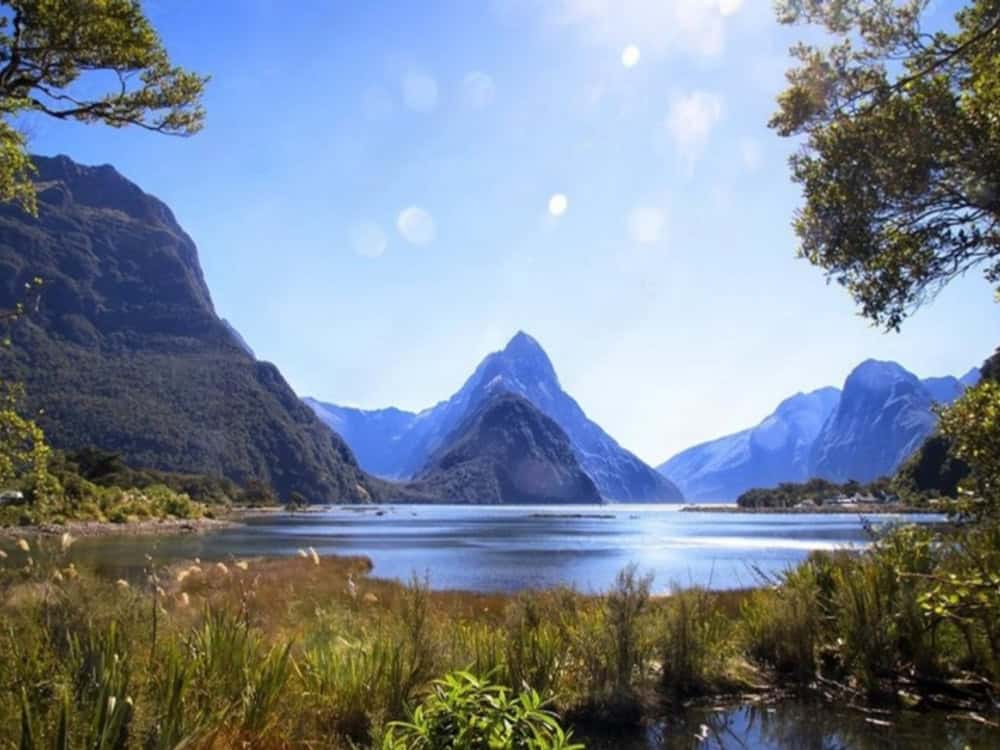


Lake Angelus Hut – 4 Routes
Grade: Advanced
Best Time to Walk: November – April
Location: Nelson Lakes National Park, South Island

Rotomaninitua/Lake Angelus and Angelus Hut, nestled high in Nelson Lakes National Park, are a testament to New Zealand’s alpine splendour. Perched beside the shimmering glacial waters of Rotomaninitua/Lake Angelus, the hut offers breathtaking 360-degree views of jagged peaks and alpine meadows.
There are four routes to Angelus Hut. Whether you arrive via forested valleys or exposed ridgelines, the journey rewards hikers with impressive views and a sense of remoteness that defines this remarkable corner of the South Island.
Routes to Angelus Hut
All four routes to Rotomaninitua/Lake Angelus and Angelus Hut are via the Travers-Sabine Circuit.
Pinchgut Track, Robert Ridge Route
Duration: 12.2 km, 6 hr One way.
This high alpine track follows a ridgeline offering sweeping views of Lake Rotoiti and the surrounding peaks. Expect rocky terrain, exposed sections, and some scrambling. While it’s a direct route to Angelus Hut, weather can change rapidly, so being prepared is essential. This track is perfect for confident hikers seeking dramatic landscapes.

Speargrass Track, Speargrass Creek Route
Duration: 11.2 km, 6 hr
The Speargrass Track meanders through lush beech forest and follows the Speargrass Valley. It’s a sheltered, gradual ascent, with some muddy sections and small creek crossings. As you near the hut, the landscape opens up into serene alpine meadows. This track is a more quieter, nature-immersive approach to Angelus Hut.
Travers – Cascade Track/Route
Duration: 9.4 km – 6 hrs One Way.
The Cascade Track takes you along Cascade Creek, featuring a remote and rugged path. The route includes dense forest, steep climbs, and rocky sections near waterfalls. This track is best suited for experienced hikers looking for a challenging, off-the-beaten-path option with plenty of solitude.
Looking to mix up your South Island hiking adventure? This South Island multi-sport trip by G Adventures weaves together kayaking, biking, boating, and hiking across some of the island’s most spectacular landscapes.
You can check out the full trip details here.
Mt Cedric Track/Route (from Sabine Hut)
6.8 km, 6 hr*
Starting with a steep ascent from Sabine Hut, this track leads you through dense forest before breaking into alpine ridges with expansive views of Lake Rotoroa and Lake Angelus. The terrain is steep and exposed, requiring strong navigation skills. It’s a challenging route but rewards hikers with spectacular panoramic vistas.

Angelus Hut and Campsite:
Angelus Hut, located beside the lake, is one of the most popular huts in the park and offers an idyllic setting for an overnight stay, with the tranquil lake just outside your door. The hut and campsite must be booked all year round and stays are limited to two night.
Difficulty and Accessibility:
The Lake Angelus Routes are challenging hikes, with steep climbs and exposed alpine sections. All but the Speargrass Routes are only suitable for experienced hikers, as weather conditions can change rapidly in the alpine areas. The Speargrass Track offers a more gradual ascent and is a good option for less experienced hikers.
Hikers should be prepared for snow and ice in the higher sections of the route, even in summer, cutting off all four routes to the huts.
Find out more about the Angelus Hut tracks and routes on the The NZ DOC Website

Trails Worth Writing Home About
Send this on to a mate planning their own tramp.
Copland Track to Welcome Flat Hut

Duration: 18 km / 11 mi | 2 Days
Grade: Easy/Intermediate
Best Time to Walk: November – April
Location: Westland Tai Poutini National Park
The Copland Track, located on the West Coast of the South Island, is a 2 day hike that leads to the famous Welcome Flat hot pools, a highlight for many hikers. Starting near Fox Glacier, the track follows the Copland River through dense rainforest, with spectacular views of waterfalls and the surrounding mountains. The track is well-formed but can be challenging in wet conditions, as the West Coast is notorious for its rainfall. After a long day of hiking, soaking in the natural hot pools under the stars is the perfect reward. There are basic huts along the trail, and the hike is a great option for those looking for a mix of rainforest, alpine views, and relaxation.

Route and Highlights: The track follows the Copland River through lush rainforests and across swing bridges before reaching the Welcome Flat Hut, where hikers can relax in the natural hot pools surrounded by towering mountains. The scenery is a mix of temperate rainforest, glaciated valleys, and alpine views, with the highlight being the relaxing soak in the Welcome Flat hot springs.
Huts and Facilities: The main hut on the track is Welcome Flat Hut, a large and well-equipped DOC hut offering bunks, water, toilets, and cooking facilities. The hut is often fully booked due to its popularity, so advanced booking is essential. The hot springs near the hut are the main draw, providing a unique and relaxing end to the day’s hike.
Difficulty and Accessibility: The Copland Track is considered moderate/easy and is suitable for hikers with little experience. While the track is well-maintained, river crossings and occasional steep sections can pose challenges, particularly after rain. The track is accessible year-round, but hikers should be prepared for wet and slippery conditions, especially in the rainforest sections.
Just finished the Copland Track and not quite ready to stop adventuring? Intrepid’s West Coast Adventure could be the perfect next step. It’s a slower-paced way to explore more of the West Coast—short walks, jet boats, wild coastlines—all without shouldering a full pack. A great way to let your legs recover while still soaking up the drama of Te Waipounamu. Take a look →


Mt Somers Track
Duration: 17 km / 10.5 mi | 2 Days
Grade: Easy/Intermediate
Best Time to Walk: November – April
Location: Hakatere Conservation Park
The Mt Somers Track is a 1-2 day, 17-kilometre circuit located in Canterbury, with several trail options to form an extended circuit. The area offers a mix of volcanic landscapes, dramatic rock formations, and native forests. It’s a great option for a shorter alpine adventure that’s less crowded than other South Island tracks. Plus it relatively easy, so suitable for those hikers just starting out, families, or those just wanting a cruisy weekend hike.
With the trailhead only 1.5 hours from Christchurch, this trail makes a perfect short “hiking getaway”

Route and Highlights: The track(s) loop around Mt Somers, taking in striking volcanic rock formations, deep gorges, and alpine meadows. Highlights include the Pinnacles Hut, the dramatic rock spires of the Pinnacles, and stunning views of the Canterbury Plains and Southern Alps. The trail also passes through native bush, offering a chance to spot native birds like bellbirds and fantails.
Huts and Facilities: The track is serviced by two main huts, Woolshed Creek Hut and Pinnacles Hut, both offering standard DOC amenities such as bunks, water, and toilets. The huts are well-maintained and situated in scenic locations, making them ideal stops on this short but rewarding circuit.
Difficulty and Accessibility:
The Mt Somers Track is graded easy to intermediate overall, but the route into Pinnacles Hut is steeper and better suited to hikers with some experience. It’s still manageable for family and school groups if you allow extra time. The track is well-marked and maintained, but there are a few steeper sections where care is needed. As always, be prepared for rapid weather changes with the right gear.
The circuit can be completed in either direction, with Woolshed Creek Hut providing a comfortable overnight stop. This track is a great option for those looking for a shorter multi-day hike with varied terrain and spectacular scenery.


Like this? We've got loads more!
Sign up for our weekly email and get your Free Copy of HIKE IT RIGHT.
An 88-page guide to staying well, looking after your body, and handling things when they don’t go to plan
You can unsubscribe anytime. For more details, review our Privacy Policy.
The St James Walkway
Duration: 66 km / 41 mi | 5 Days
Grade: Advanced
Best Time to Walk: November – April
Location: Lewis Pass Scenic Reserve/St James Conservation Area
The St James Walkway is a 5-day hike through the Lewis Pass region of the South Island, offering a more relaxed alternative to some of the more rugged backcountry tracks. The trail passes through a variety of landscapes, including beech forests, wide river valleys, and tussock-covered plains.
The highlight of the walk is the scenic view of the Spenser Mountains, which provide a stunning backdrop throughout much of the hike. Well-maintained huts are spaced along the route, making this a great introduction to multi-day hikes for those who want a taste of the wilderness without the extreme terrain of other tracks.

Route and Highlights:
The track begins at Lewis Pass and traverses through beech forests, wide river valleys, and alpine tussock lands. Highlights include beautiful views of the St James Range, river crossings, and the tranquil Waiau River. The track passes through several historic farming areas, offering insights into the region’s history.
Huts and Facilities:
There are five huts along the route, including Ada Pass Hut, Anne Hut, and Boyle Flat Hut, all offering basic bunks, water, and toilet facilities. These well-spaced huts make the track accessible for most hikers, offering comfortable overnight stops.
Difficulty and Accessibility:
This is a relatively easy track for hikers of moderate fitness. The track is well-marked, with gradual ascents and descents, making it suitable for hikers with less experience or those looking for a more relaxed multi-day hike. River crossings may require caution after rain.
The diversity of landscapes, from alpine valleys to river flats, and the well-maintained huts make The St James Circuit an excellent introduction to multi-day hiking in New Zealand.



The Inland Pack Track
Duration: 25 km / 41 mi | 2-3 Days
Grade: Advanced
Best Time to Walk: November – April
Location: Paparoa National Park
Located on the West Coast, the Inland Pack Track is a 2-3 day hike through one of New Zealand’s most geologically fascinating areas. The track follows old packhorse routes through limestone gorges, caves, and lush rainforest, providing an immersive journey into the natural beauty of the West Coast.
The hike is not overly difficult but requires some careful navigation through stream crossings and can be impassable in heavy rain. The highlight of the walk is the chance to explore the area’s unique karst landscapes, with opportunities to detour into caves and other natural formations along the way. This is a fantastic option for those interested in geology or looking for a less-traveled West Coast hike.

Route and Highlights:
The track follows old gold-mining routes through lush rainforest, with spectacular limestone gorges and caves. Highlights include exploring the Pororari River Gorge, the stunning Ballroom Overhang (a giant limestone shelter), and the chance to spot glow worms at night.
Huts and Facilities:
There are no huts on this route, so hikers need to carry tents and be self-sufficient. You can camp at the Ballroom Overhang which is a unique experience, with a natural shelter in one of the track’s most iconic locations. There is a toilet at the Ballroom Overhang.

Difficulty and Accessibility:
The track is moderate in difficulty, with river crossings and sections that can become slippery and muddy, especially after rain. Hikers should be prepared for wet conditions and have good fitness. The track is well-marked, but care is needed at river crossings, particularly after heavy rainfall.
The Inland Pack Track offers a unique and varied hiking experience, with its mix of limestone landscapes, lush rainforest, and rivers. Camping at the Ballroom Overhang is a highlight, with a memorable overnight stop in a natural setting. This is an excellent choice for hikers looking to explore the West Coast’s natural beauty and geology.


Wangapeka Track
Distance: 61 km / 38 mi | Duration: 4-5 days
Difficulty: Advanced
Best time to walk: November – April
Location: Kahurangi National Park
The Wangapeka Track is a hidden gem tucked deep within Kahurangi National Park, one of New Zealand’s most remote wilderness areas. Historically, it was used by Māori as a greenstone trading route and later by prospectors during the 1800s gold rush.
The trail moves through dense beech forests, climbs rugged alpine ridges, and follows pristine rivers through isolated valleys. It sees far fewer hikers than New Zealand’s more well-known hikes, making it a good choice for those looking for solitude and a true backcountry experience.
Remnants of its gold-mining history still linger along the way—rusted equipment, old hut sites, and worn paths slowly disappearing back into the bush.
The Wangapeka Track feels wild, remote, and steeped in history, offering a glimpse of what much of New Zealand once looked like before modern development pushed deeper into the landscape.

Route and Highlights:
The Wangapeka route crosses Kahurangi National Park, from the Waimea Basin in the east to the West Coast near Karamea. It crosses two saddles, each of over 1,000 m. The Wangapeka Track is a point-to-point trail, typically walked from Rolling Junction to Stone Hut.
Along the way, the track passes through Little Wanganui Saddle, a stunning high-point that gives panoramic views of the surrounding peaks and Wangapeka Saddle. This historic gold-mining route also features the Wangapeka River and the Karamea River.
Huts and Facilities:
There are seven main huts along the track—Kings Creek Hut, Helicopter Hut, Stone Hut, Trevor Carter Hut, and Kiwi Saddle Hut, plus the restored historical Cecil Kings Hut. These huts are basic, providing bunks and pit toilets. Some have water, and while others direct you to a steam nearby. New Zealand water is the best! All huts have space to camp nearby and are on a first come – first served basis, there is no booking required.
Difficulty and Accessibility:
While the track is well-marked, it’s challenging due to river crossings and steep ascents, especially at the Wangapeka saddle. It’s not recommended for beginners due to its remoteness. Generally rated as advanced, the track has sections rated as expert due to some steep, rugged areas and navigation over a rock slide. Good preparation and fitness are necessary to handle unpredictable weather and remote terrain.


Te Ara Pātaka/Summit Walkway
Distance: 35 km / 21.75 mi | Duration: 2-3 days
Difficulty: Intermediate
Best time to walk: October – May
Location: Banks Peninsula, Canterbury
Te Ara Pātaka, also called the Summit Walkway, runs along the crater rim of an ancient volcano just outside Christchurch. It’s a ridgeline hike with sweeping views across the Canterbury Plains, Akaroa Harbour, and the Pacific Ocean.
The track passes through open tussock lands and pockets of native bush, with the high points revealing just how rugged and beautiful Banks Peninsula really is. Along the way, the route follows traditional Māori pathways once used by Ngāi Tahu to travel between settlements.
Close to the city but with a wild, exposed feel, Te Ara Pātaka is a rewarding hike for those looking to escape into the hills without venturing deep into remote backcountry. Good weather brings clear, wide-open views, but the exposed ridge means strong winds and sudden weather changes are common. A clear day up here is one of Canterbury’s real hidden gems.

Route and Highlights:
Starting from either Hilltop Tavern or Montgomery Park Scenic Reserve, the track winds through beech and podocarp forests before opening to breathtaking vistas of the Banks Peninsula. Points of interest include Mt Herbert, the highest point of the peninsula, and stunning views of Akaroa Harbour.
Huts and Facilities:
There is one basic hut along the trail, the Mt Herbert Shelter, which provides simple accommodation with bunks, a rainwater tank, and pit toilets. Due to the short nature of the trail, most hikers complete it in a single day.
Difficulty and Accessibility:
Although not particularly long, the Te Ara Pātaka requires a reasonable level of fitness due to some steep ascents and the ridge's exposure to wind. Weather can change rapidly, so hikers need to be prepared for cold conditions even in summer. The track is well-marked and maintained, making it accessible for those with some hiking experience.
And There You Have It
Thanks for sticking with me this far. If you’ve read all the way down, you’re clearly serious about getting out on the trail. If you want to go deeper into trail safety, health, and hygiene, don’t miss my book Hike It Right. And if this guide helped you, please pass it on, share it with a fellow tramper, or save it for later. Finally, remember that this is only half the story. Make sure you check out [Part 1: Southern Trails] to discover the rest of the 26 epic South Island hikes.
Say Yes to the Most Informative Free Hiking Manual Ever!
You can unsubscribe anytime. For more details, review our Privacy Policy.