
What to Pack for a Day Hike – Your Gear List with the 10 Essentials Explained
A day hike can take many forms, and knowing what to pack for a day hike is important, whether you’re taking a leisurely hike along a beach or challenging yourself with a mountain climb. It might last just a few hours or fill an entire day. You could be enjoying a relaxed walk with family or pushing the pace with friends. No matter the length or type of your hike, it's essential for your day hike gear list to have the right nourishment, hydration, clothing, and even shelter, especially as the remoteness of your trail increases.
I always advise carrying a first-aid kit, even for short walks. While I’ve been fortunate on longer treks, I’ve had my share of mishaps on day hikes. For instance, I once fractured my wrist, slipping while trying to climb under a waterfall, and another time, a sharp plant sliced my hand, requiring stitches. These experiences are stark reminders that accidents can happen on any hike, regardless of duration.
Day hiking is a wonderful way to reconnect with nature, whether you're training for a more extended adventure or finally tackling a trail that’s been on your mind for ages. However, the inherent unpredictability of the outdoors requires preparation. This includes having a comprehensive day hike gear list that covers everything from your basic needs to emergency supplies.
We will explore what is known as the “10 Essentials,” a list initially devised by The Mountaineers, a Seattle-based organisation for climbers and outdoor adventurers. This list is crucial for preparing to face emergency situations in the wilderness.
Additionally, we'll consider other optional items you might want to bring along. For example, how essential is lip balm? Not essential, but good to have. What about the factors like the season, the weather, or the fitness level of your hiking companions? All these aspects can influence what you should pack for your hike.
So without further ad-do let's get started.
Quick Links in this Guides:
As well as What to Pack for Hiking – You might like to Check out our Companion Guides
What to Wear for Hiking in Summer and Winter
The Best Food for Day Hikes
This article may contain affiliate links. If you make a purchase using one of these links, we may receive compensation at no extra cost to you. See our Disclosure Policy for more information.
Your Day Pack
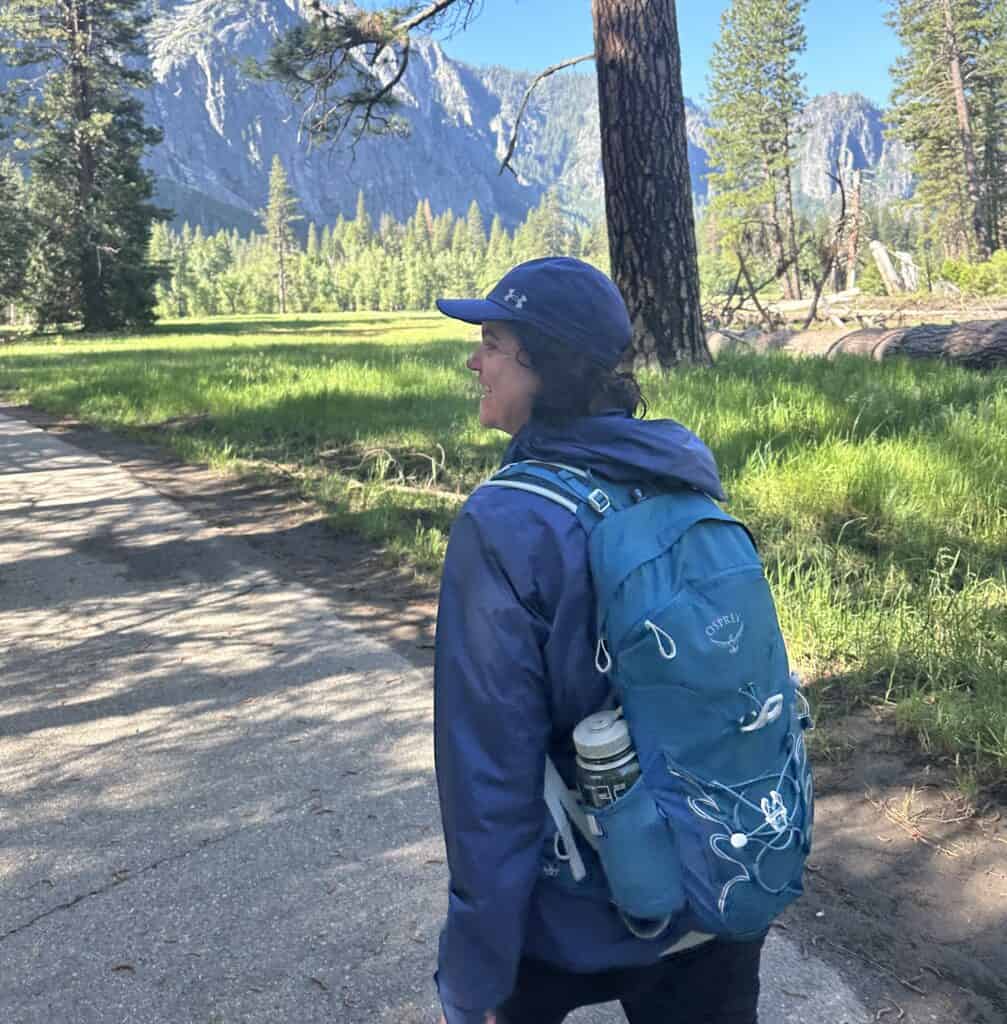
Choosing the right day pack is important. Your pack should not only hold all your essentials comfortably but also fit your body well to avoid straining your back and shoulders over long distances. Here are key features to consider when selecting your day pack:
Size and Capacity
The ideal size of a day pack varies depending on the length of the hike and how much you need to carry. Generally, a capacity of 20 to 30 litres is sufficient for most day hikes. This size allows you to pack extra food, water, clothing, and the 10 essentials without being overly bulky.
Comfort and Fit
Look for a day pack with adjustable straps and a padded back panel and good support is neccessary. Ventilation is also desirable, especially during strenuous hikes or warmer weather. Ensure the pack sits well on your hips and shoulders, distributing weight evenly.

Pack Light, Pack Right – Free Interactive Checklists
No More Overpacking. No More Forgetting Essentials.
Our free interactive packing lists help you pack methodically and remember everything. Add notes, quantities, save or print, and share with hiking partners so everyone knows what’s covered and what they need. Works on any device.
Available for multi-day wilderness camping, hut-to-hut hikes, and inn-to-inn walks, with new lists added frequently.
Compartments and Accessibility
A well-organised day pack can make your hike much more enjoyable. Choose a pack with multiple compartments or pockets to separate and easily access your gear. A dedicated hydration sleeve will hold your water bladder, allowing you to drink on the go without having to stop to retrieve a water bottle.
Durability and Weather Resistance
Your day pack should be made of durable materials capable of withstanding rough terrain and various weather conditions. Water-resistant or waterproof fabrics will help keep your items dry in case of rain, however a dry bag inside your pack is essential. An alternative to a purchased dry bag, is a black garbage bag. Garbage bags are generally very strong as they need to hold sharp or heavy objects.
Safety Features
Reflective material is commonly found on most day packs and is especially beneficial in low-light conditions, such as early mornings or evenings. While many packs feature a whistle buckle, it’s often more reliable to carry a separate whistle for emergencies. Let's dive in to the '10 Essentials'.
Understanding the “10 Essentials” of What to Pack for a Day Hike

The “10 Essentials” list was developed to help hikers prepare for emergency situations and address basic survival needs. Here's what to include and why:
1. Navigation: Map and Compass
GPS devices are handy, but they rely on battery power and satellite signals, which can be unreliable in remote areas. A map and compass, which do not require batteries, provide dependable navigation tools that work in every environment.
2. Sun Protection: Sunglasses, Sunscreen, and Hat
Prolonged exposure to the sun can lead to sunburn and long-term skin damage. High-SPF sunscreen, UV-blocking sunglasses, and a wide-brimmed hat are essential to protect your skin and eyes. Sun Protection can also help ward of heat related illnesses such as Heat Exhaustion and Heat Stroke. Our article on Hiking in the Heat, goes into these two conditions in detail, along with symptoms to watch out for.
3. Insulation: Extra Clothing
Weather in the outdoors can change rapidly. Extra clothing, appropriate for the worst conditions you might encounter, should include moisture-wicking layers, an insulating fleece or jacket, and a waterproof outer layer. Down jackets can squash up very small in a stuff sax. I also take along a beanie, and I give an extensive explanation of why a beanie is so important in my book Hike it Right – Health Hygiene and Safety on the Trail.
4. Illumination: Headlamp or Flashlight
Trails can become dark unexpectedly, whether due to a change in weather or a delay in your schedule. A headlamp or flashlight, plus extra batteries, ensures you can see and be seen in the dark. If you are using a rechargeable headlamp, ensure that the unit is charged up the night before – and if your headlamp is battery operated, take along extra batteries in your first aid kit, or somewhere safe.
5. First Aid Supplies
Your first aid kit should include items such as bandages, antiseptic, blister treatment, and any personal medications. Tailor your kit to the length of your trip and the size of your group. I have an in-depth guide into first aid, that details exactly what needs to be in your first aid kit. Often when you buy a first aid kit off the shelf you may need to top it up wth a few essentials.
I also recommend taking a first aid course, which I detail in my post about first aid – otherwise Wilderness Medicine: Beyond First Aid is a great resource. It's important that you know what to do with your first aid kit!
6. Fire: Matches, Lighter, and Fire Starter
Being able to start a fire is for warmth and could be necessary for emergency signalling. Pack waterproof matches, a lighter, and a reliable fire starter. Just be aware of any fire restrictions and note that most national parks in Australia do not allow fires under any circumstances – so #6 would be a moot point for Australian hikers.
7. Repair Kit and Tools: Knife and Duct Tape
A knife or multi-tool is essential for gear repair, food preparation, or first aid. Duct tape fixes a myriad of problems, from repairing poles to patching holes in clothing or gear. I wrap lengths of duct tape (approx 1 metre/1 yard) around each of my hiking poles so I always have it with my with no extra weight or bulk,

Like This?
We'd love you to share this great guide!
8. Nutrition: Extra Food
Delays can happen. Extra food, especially no-cook items like nuts, energy bars, and dried fruits, should be high in energy and easy to digest. Ensure you take extra in case you are delayed.
9. Hydration: Water and Water Treatment
Carry sufficient water and a means to purify water from natural sources. You may also consider water purification tablets which are much lighter. Dehydration can impair your ability to hike and think clearly. Water bladders are great, especially when you first start hiking as it very easy to forget to drink.
10. Emergency Shelter: Tent, Bivy Sack, or Space Blanket
An emergency shelter can be vital if you are forced to spend the night outdoors. Lightweight options include a space blanket, bivy sack, or small tarp. An emergency bivy is my recommendation, but I also carry a small space blanket in my first aid kit (they fold up very small). A space blanket can be used as a beacon in an emergency situation, or to detract heat with a heat related illness.
11. Bonus Essential Item – Satellite Communication Device
I am an advocate for carrying a Satellite Communication Device with me whenever I hike – no matter the distance. Such devices allow you to contact emergency services from wherever you are, regardless if you have cell phone service or not.
Two forms of satellite communication systems which are widely available are the Personal Locator Beacon (PLB), which submits a one-way signal to a government system and a Two-Way Satellite Emergency Notification Devices (SEND) which allow you to transmit and receive messages amongst as well as request emergency rescue.
I go into both of these systems in depth in our post on the Essential Hiking First Aid Kit
As well as a Satellite Communication Device, you may also consider Emergency Rescue Cover. In many countries, and even states within the USA, emergency rescue is not a free service and the rescue helicopter's rotor blades won't start spinning until you come up with payment.
Soul Treader has partnered with Global Rescue, who do not have any restrictions on the activity or location, unlike most travel insurance companies. Many moons ago, I worked for an emergency assistance company where we had to co-ordinate the rescue of travellers. Trust me, it happens way more than I'd like to admit.


Beyond the Essentials
Ensure you tell someone (responsible) where you are going and what time you expect to return. In addition, if the national park you are visiting has trip intention log books – please use them. It will make the ranger's job so much easier if they need to find you.
Additional Items to Include:
- Cell Phone with Emergency Numbers: Keep your phone in a waterproof container or bag. Pre-load it with essential emergency contacts.
- Chapstick and Lotion: Protect against chapped lips and dry skin, which can be painful and disruptive during and after hikes.
- Insect Repellent: Essential in many areas to protect against ticks, mosquitoes, and other insects.
- Whistle: A whistle can be heard far beyond the range of your voice and requires less energy than shouting.
- Trash Bag: Carry a small plastic zip-lock bag or reusable bag to pack out all your trash, adhering to “Leave No Trace” principles. This is different to the larger bag to use as a pack liner.

Interested in
Hiking Safety?
We have a dedicated Hiking Health, Safety and Hygiene Facebook group!
Toileting Kit
And last – but definitely not least is your toilet kit – which is actually essential to maintain Leave no Trace Principles. We have a full article of toileting in the wild, which you may like to check out!
The basics in your toilet kit (which can just be put together in a ziplock bag) are:
- Toilet Paper – along with plastic bags to “Pack in Out”. You can use doggie bags to carry your used toilet paper out with you.
- Kula Cloth (or Pee Cloth) – for wiping front end only.
- Trowel – for digging 6 inch cat holes
- Hand Sanitiser – essential for hygiene
If you would like a more convenient option, Pact Outdoors does a full toilet kit, which comes in a handy bag, along with wipes and hand sanitiser. It's an award winning design and we totally recommend it!
Preparing for a day hike involves careful consideration of the gear you carry, from essential safety items to personal comforts. By following the guidelines laid out in the “10 Essentials” and adapting them to the specific conditions and challenges of your chosen trail, you ensure a safer, more enjoyable experience. Remember, the unpredictability of nature means that preparation is your best ally. Whether you're a seasoned hiker or just starting out, the right gear can make all the difference. Stay safe, respect nature, and happy hiking!
Like This?
We'd love you to share this great guide!
You May Also Like These Posts:
No posts