

The 7 Principles of Leave No Trace
Do you know what the 7 Principles of Leave No Trace are? Sure, we’ve all heard about Leave No Trace—but what does that mean? Picking up your litter? Not making any marks on trees or plants? How many Leave No Trace Principles can you name – and can you explain them!
In this article, we will explain each of the 7 Principles of Leave No Trace in a way that's easy to understand. These are not difficult rules – more like principles. They are as easy to follow as wiping your feet before you enter the house, brushing your teeth, or taking out the garbage.
The 7 Principles of Leave No Trace are meant for anyone who loves spending time in nature, especially those who hike or camp. These principles help us to care for the environment and make sure that the beautiful and wild places we visit can still be enjoyed by people in the future.
We will show you how simple actions can make a big difference in keeping nature healthy and full of life. Join us as we go over how following these principles helps us protect the beauty and life of the outdoors.
In this Guide I will Cover:
- LNT Principle 1 Plan Ahead and Prepare
- LNT Principle 2 Travel and Camp on Durable Surfaces
- LNT Principle 3 Dispose of Waste Properly
- LNT Principle 4 Leave What You Find
- LNT Principle 5 Minimise Campfire Impact
- LNT Principle 6 Respect Wildlife
- LNT Principle 7 Be Considerate of Others
A full list of inclusions can be found in the Table of Contents

As well as this Guide to The 7 Princoples of Leave No Trace, you may also like:
Toileting in the Wild – the Do's and Don'ts
The Essential First Aid Kit for Hikers
The Difference Between Australian and USA Snakes and the Management of Bites
Hiking in Summer – How to Hike Safely in the Heat
This article may contain affiliate links. If you make a purchase using one of these links, we may receive compensation at no extra cost to you. See our Disclosure Policy for more information.
1. Plan Ahead and Prepare
By checking in with Leave No Trace principles from the start, you'll set yourself up for an eco-friendly adventure. To plan ahead, you can:
🌿 Find out what the weather will be like so you can be safe and not get caught in dangerous situations.
Having to be rescued can be costly, not just financially for you or the host country but also in the lives of the rescue team who come to save you. Often saving hikers who are ill-prepared and called for help is one of the most dangerous tasks for the rescue team.

Interested in
Hiking Safety?
We have a dedicated Hiking Health, Safety and Hygiene Facebook group!
🌿 Pack a First Aid Kit, a map, and a compass, and learn about the area so you are ready for unexpected situations.
🌿 Put food into smaller packages to reduce litter and keep wildlife from being attracted to your campsite.
Hiker food is renown for being package heavy, especially dehydrated meals. Try dehydrating your own, or buying in bulk and hydrating on the trail in a reusable silicone pouch. Instead of coffee bags, maybe bring bulk coffee and use a coffee plunger.
🌿 Try to go at times when it's less busy so that places don't get too crowded.
Crowded hiking trails can affect local wildlife. During public holidays or other peak times, their natural habitat becomes like rush hour which can become quite distressing for them.
🌿 If you're in a big group, split up into smaller teams.
It's easier on the land and the trails. Large groups tend to be noisy, spoiling it for other hikers. Large groups often congregate or walk over the path boundary as they try to engage with each other while walking. Break up into smaller groups while you walk and meet up at designated spots for breaks and meals.
READ NEXT – The Essential First Aid Kit for Hikers
🌿 Learn the rules of the place where you will be going.
You can ask questions such as:
❓Are you allowed to start a fire? Many national parks worldwide do not allow fires under any circumstances
❓Is a bear canister compulsory? A compulsory bear canister rule has been implemented on many trails in North America to protect bears against your food and becoming habitualised.
❓Are you allowed to wild camp? Wild camping is not allowed or discouraged on many trails in Europe and Australasia
❓Is a permit required? Permits are required on many trails, especially in North America and Australasia.
❓Do you need a guide? Many of the top trails worldwide will only allow you to hike the trail with a guide. The Inka Trail in Peru and the Annapurna Circuit in Nepal are such trails that have implemented this rule.

Pack Light, Pack Right – Free Interactive Checklists
No More Overpacking. No More Forgetting Essentials.
Our free interactive packing lists help you pack methodically and remember everything. Add notes, quantities, save or print, and share with hiking partners so everyone knows what’s covered and what they need. Works on any device.
Available for multi-day wilderness camping, hut-to-hut hikes, and inn-to-inn walks, with new lists added frequently.
2. Travel and Camp on Durable Surfaces
When we venture into the great outdoors, the paths we take and the spots we choose to camp can affect the environment.
🌿 To minimise our footprint, it's important to understand what kinds of surfaces can handle our presence without being damaged. The second of the Leave No Trace principle addresses the importance of:
- Look for paths and places to camp that are already being used. These spots have usually been selected because they are hardy, like pathways of rock and campsites with gravel or sand.
- Set up camp away from water bodies like lakes and streams. A good rule of thumb is to stay 50-60 metres – 200 feet away from water, to help protect aquatic life and keep the banks undisturbed.
- When you find a campsite, use it as is without changing it. It should look like you were never there when you leave!

🌿 In Areas Where Many People Visit
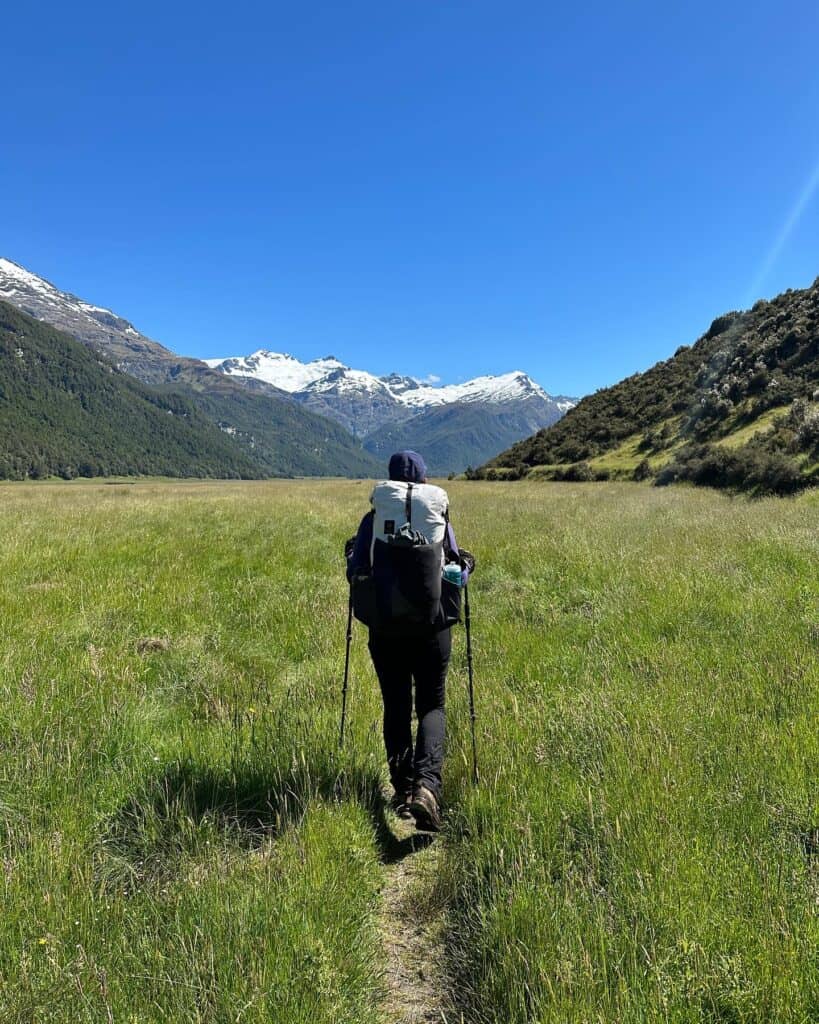
- Stay on the trails that are already there, and when you're in a group, don't spread out. This protects the plants on either side of the path.
- Walk straight through puddles on the trail to avoid widening them and affecting surrounding vegetation.
- Keep your as campsite small as possible, and choose areas without plants as much as possible to reduce your impact.
🌿 In Quieter, Less Travelled Places
- If there are no trails, spread out when walking with your group. This avoids creating new paths that could lead to erosion or damage to plant life.
- Stay away from places where the land looks mostly untouched. It's better to keep these areas pristine and free from human marks.
By choosing to travel on sturdy surfaces and camp on existing sites, you help preserve the natural state of the environment. Keeping to these practices ensures that the beauty of the wilderness remains long after we've returned to our daily lives.

Like This?
We'd love you to share this great guide!
3. Dispose of Waste Properly
The environment can be very sensitive to the waste we produce when we're having fun outdoors. If we don't take care of our waste the right way, it could hurt not just the place itself, but also the animals that live there and even other visitors.
Food Waste
An example of garbage hurting an environment or other people, is when animals get used to eating food scraps and they then become habitualised – and then potentially harm future campers.
Bears in North America can open trash cans and will claw through tents to get to food. Dingos in Australia, especially on Fraser Is, have been known to steal food and potentially harm humans in the process, and rabid animals where rabies is a thing can also pose a threat to humans.
Wild animals do not intrinsically seek human food – it is only after they have had a taste, and experience the ease of obtaining “human food” that they start to hang around in areas where they know humans might leave tasty morsels!

Garbage
Leave No Trace teaches us to be aware of the waste we create and how to get rid of it without causing harm.
Everything you bring with you should leave with you. Carefully check your camping spot and resting areas to make sure you haven't left any garbage or bits of food behind. Bits of plastic can seriously harm an animal if ingested.
Burning garbage is never a good idea as garbage contains plastic and the fumes are toxic to the environment.


Toileting
When you toilet, dig a small hole called a cathole about 6 to 8 inches/20 cm deep. It should be at least 200 feet/60 metres away from any water, your campsite, and trails.
After you use it, cover the hole and disguise it so it blends back in with its surroundings. Your poop trowel is used to dig the hole and then cover the hole with dirt. Your poop trowel should never come in contact with your faeces (poop).
Toileting away from a water source is extremely important for several reasons. Firstly, water sources are usually where hikers obtain their drinking water from and a contaminated water source can spell cholera, which is a very nasty disease.
Secondly, animals depend on water sources for their survival or habitat, and our human waste can wreak havoc for their environments.
READ NEXT – How to Toilet in the Wild – The Do's and Don'ts
Toilet Paper
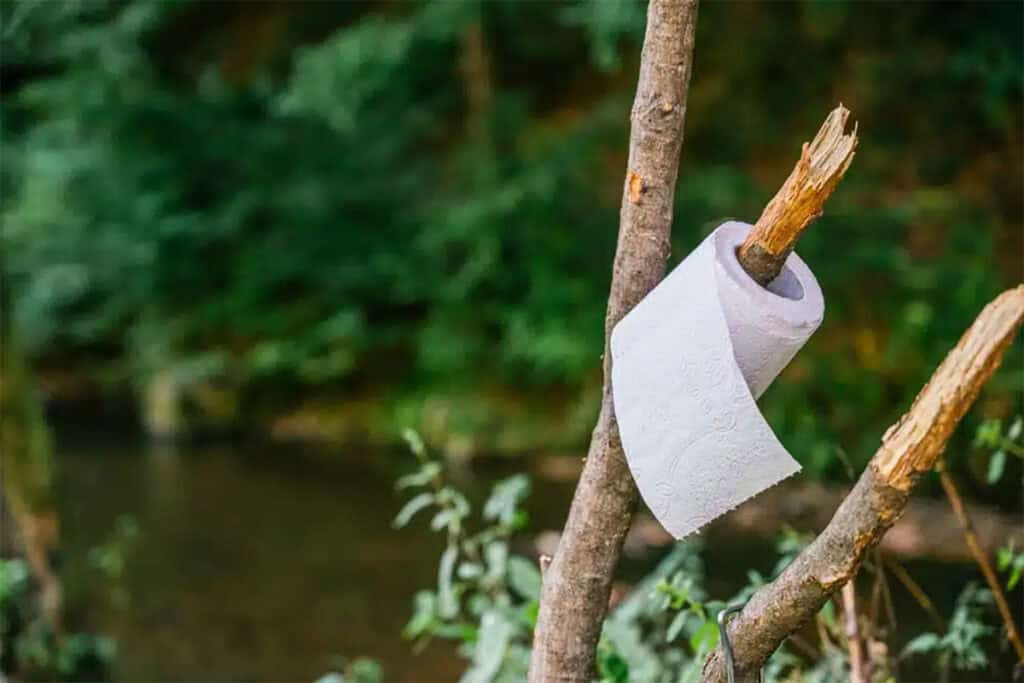
The old way of burying toilet paper has now been superseded with pack-it out. Toilet paper takes a very long time to biodegrade and especially in arid climates, it may never biodegrade. Regular toilet paper is also full of chemicals and bleach, another reason to not leave it in the ground.
The best way to handle toilet paper is to carry a small zip-lock bag and put your soiled toilet paper in as you go. When you get back to civilisation, you can then dispose of it. Some compost or vault toilets cope with biodegradable doggie poop bags, which can also be used. Check with the local park ranger or authority to see if this is the case with the toilets on your trail.
Another option is to use a backcountry bidet! Ladies can also consider using a pee-cloth, which is to wipe oneself after urinating.
Read Our Comprehensive Guide How to Toilet in the Wild – The Do's and Don'ts
Washing and Bathing
If you need to clean yourself or your dishes, move away from any lakes or streams. Carry water about 200 feet/60 metres away before you start washing.
Use only a little bit of soap that won't harm the environment, and after you're done, scatter the water so it doesn't all go in the same place.
Soap can severely harm the natural environment of waterways and not only poison creatures who use the waterway as their habitat, but also cause algae which can be harmful for people, animals and the environment.
Pack Light, Pack Right – Free Interactive Checklists
No More Overpacking. No More Forgetting Essentials.
Our free interactive packing lists help you pack methodically and remember everything. Add notes, quantities, save or print, and share with hiking partners so everyone knows what’s covered and what they need. Works on any device.
Available for multi-day wilderness camping, hut-to-hut hikes, and inn-to-inn walks, with new lists added frequently.
4. Leave What You Find
When we step into the wilderness, each leaf, stone, and artefact is a part of the bigger picture. By leaving what we find undisturbed, we contribute to the protection of the environment and the history embedded within it.
Historical Relics
Historical relics and cultural sites are witnesses to our past. It's important to look at them but not touch, move, or take anything from these places. They are silent guards of history, and by leaving them as they are, we can keep their stories alive.
The old logging mill on the Rakiura Track stands as testament to early New Zealand settlers and the shipwreck at Fort Stevens State Park on the Oregon Coastal Trail pays homage to the men who perished many years ago.
Culturally, the ancient totems on the wild West Coast Trail on Vancouver Island tell stories of the Nuu-chah-nulth peoples.

Invasive Species
Invasive species can jeopardise the equilibrium of the environment, often leading to irreversible consequences such as wild spread devastation and the consequent displacement of native species. Be mindful not to transport non-native species into the wilderness.
Before you travel to another park or country, clean your gear to prevent cross-contamination. Adhering to the Leave No Trace principles, ensure that clothing, boots, hiking poles, tent pegs, poop trowels, and muddy car mats are free from non-native species
Before you travel to another park or country, ensure you're following the Leave No Trace principles by thoroughly cleaning gear such as clothing, boots, poles, tent pegs, and car mats that may carry seeds or soil.

Use a solution of methylated spirits (70-100%), diluted bleach (to 10%), or F10 disinfectant to clean items that have been in contact with soil, protecting against Cinnamon Fungi spores.
Cinnamon Fungi attacks plant roots, causing a phenomenon called dieback and leading to a loss of food sources for animals.
For more information on Cinnamon Fungi and Protecting our Wilderness from Invasive Species – Check out our article Boot Cleaning Stations Nature's Hero
Chytrid fungus is another harmful pathogen, affecting frogs by damaging their skin, which they use to breathe, and disrupting their nervous system, leading to detrimental changes in behaviour.
Many Australian National Parks have installed boot cleaning stations at trail entrances. Simple yet effective, these stations prevent the spread of diseases that can harm our fragile ecosystems.
Interested in
Hiking Safety?
We have a dedicated Hiking Health, Safety and Hygiene Facebook group!
Disturbing Nature
Every rock, plant, and natural object you come across plays its unique role in the ecosystem. Rearranging or removing them can disrupt the delicate balance that nature has maintained.
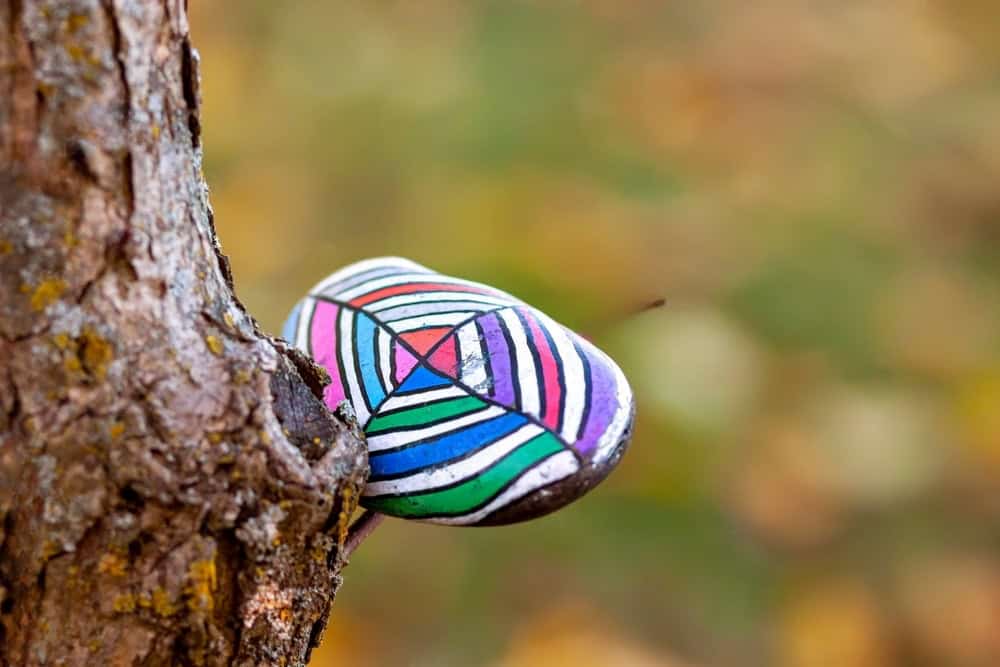
Arranging rocks to make cairns or cute little borders around your tent can look very boho and may seem inconsequential, however every rock contributes to the stability of the landscape.
Removing even one can start a chain reaction of erosion—the wearing away of soil and the weakening of slopes. Multiple rocks being moved only magnifies this effect.
Disturbing elements of the forest floor, such as moving branches (whether they're dead or alive), displacing rocks, peeling moss, or sweeping away leaf litter, can have a significant effect on the homes and survival of many creatures.
These actions might seem small, but they can disrupt the delicate balance of the ecosystem, impacting animals and insects who rely on these materials for shelter, food, and protection.
It is important to remember that every component of nature serves a purpose and our interference, however minor it may seem, can have consequences.
Makeshift Structures and Cairns
While it may be tempting to create makeshift structures or modify the landscape for convenience, these actions can cause lasting damage.
Stacks of rocks, known as cairns from the old Gaelic word meaning ‘stones in a pile,' are purposefully assembled to mark pathways for those hiking in areas where trees don’t grow and the terrain is stark.
These rock formations are important for guiding walkers when it's hard to see due to thick mist or during the winter when the paths are covered in snow.
When visitors build their own cairns, it can guide people away from established paths into more sensitive or risky spots. This is really important in the winter, when snow hides the trails, making unofficial rock piles created by hikers potentially confusing and dangerous.

Likewise, it's critical for visitors not to dismantle or move cairns. In the absence of other trail markers, hikers count on these stacks of rocks to guide them along the correct route.
When cairns are tampered with, their ability to signal the way vanishes. Always leave cairns undisturbed, just as they are.
Like This?
We'd love you to share this great guide!
5. Minimise Campfire Impact
Campfires evoke a sense of tradition and connection, providing warmth and a means to cook food. By following the Leave No Trace ethos and being mindful and responsible, we can enjoy this outdoor tradition without causing unnecessary harm to the environment.
The threat of wildfires, largely caused by human activity, looms over our outdoor spaces. By remembering a few key guidelines, we can reduce the impact of campfires.

Fire Safety and Maintenance Basics
- Check for any fire bans or fire regulations in the areas you are going to.
- Use a portable stove for cooking and use candle lanterns for lighting to minimise the need for a campfire when possible.
- When campfires are permitted, use established fire rings, fire pans, or mound fires.
- Thoroughly burn all wood to ash and ensure that the fire is completely out before leaving the site.
The Four D’s
- Dead: Use wood that is no longer living and has had time to dry.
- Down: Select wood that has naturally fallen and is not connected to live vegetation.
- Dinky: Choose small pieces of wood that can be burned completely.
- Distant: Source wood from at least 200 feet/50 metres away from your campsite to prevent the area from becoming stripped of resources.
Make sure to stay vigilant when you have a campfire going. Each blaze has the potential to cause enormous damage. Have a supply of water or sand nearby to smother the flames quickly if necessary.
Ensure Campfires Are Out Cold
When it's time to put out your fire, make it a thorough process:
- Douse with water: Pour lots of water over the fire. Repeat until there’s no steam.
- Stir everything: Mix water with the ashes and any remaining pieces of wood.
- Check the heat: Carefully feel near the ashes to make sure there’s no warmth left. If it's too hot to touch, it's too hot to leave.
- Scan the site: Look around for any stray embers that might have escaped the fire pit.
If water is scarce, gently cover the embers with dirt or sand, and then perform the same stirring and checking process to ensure every ember is out.
The best practice is to leave no signs of your fire. Campfires should be cold to the touch before you consider them extinguished. If you can still feel heat, it's not safe to leave the area.
You May Also Like: Hiking in the Heat – How to Stay Safe
6. Respect Wildlife
When venturing into natural habitats, respecting wildlife is a cornerstone of the Leave No Trace principles. It's important to observe wildlife from a distance that preserves their well-being and allows their natural behaviours to continue undisturbed.”
It's important to remember that when we enter these areas, we are visiting the homes of wild animals. Observing wildlife through quiet and respectful means is not only a form of admiration but also a practice of responsible stewardship.
The way we interact with wildlife can have profound effects, and it's our duty to minimise those impacts.
Mindful Observation and Group Size
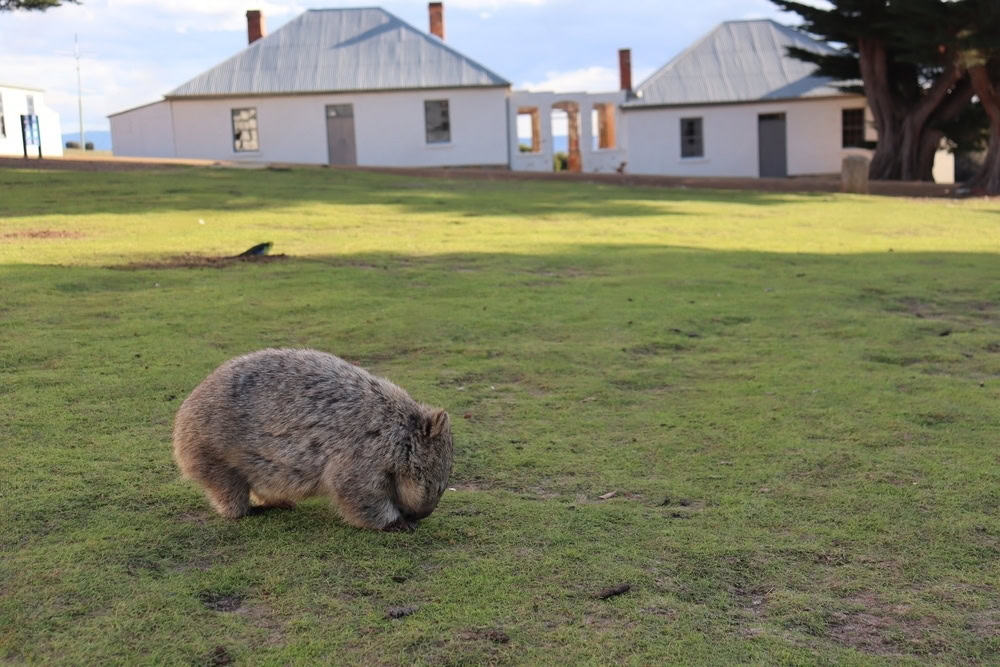
Learn about wildlife through quiet observation. Do not disturb wildlife or plants for a closer look.
Keep a respectful distance from animals, allowing them to remain undisturbed. If you're part of a larger group, consider splitting into smaller parties to reduce environmental impact and stress on the wildlife.
Noise and Movement
Be mindful of your movements and the noise you make in the wilderness. Avoid loud sounds and sudden movements. However, in bear country, make a small amount of noise to prevent surprising a bear.
Remember that extreme temperatures can make wild animals more vulnerable to disturbance. Respect their need for space and peace.
You May Also Like: Hiking on Maria Island – Where Wombats Roam Freely
Do Not Disturb or Feed Wildlife
Never feed wildlife or attempt to touch, pick up, or get close to them. Feeding animals can alter their natural behaviours and put them at risk, potentially leading to aggressive encounters or dependency on human food.
Should you encounter an injured or sick animal, do not try to assist it yourself. Contact a wildlife ranger or warden, or local authorities who are equipped to handle the situation correctly.
Access to Water Sources
Give wildlife the necessary buffer space around water sources. Ideally, set up camp at least 60 m (200 feet or about 70 adult paces) away from lakes, rivers, or other drinking spots to minimise disturbance and allow animals unimpeded access
Swimming and Water Conservation
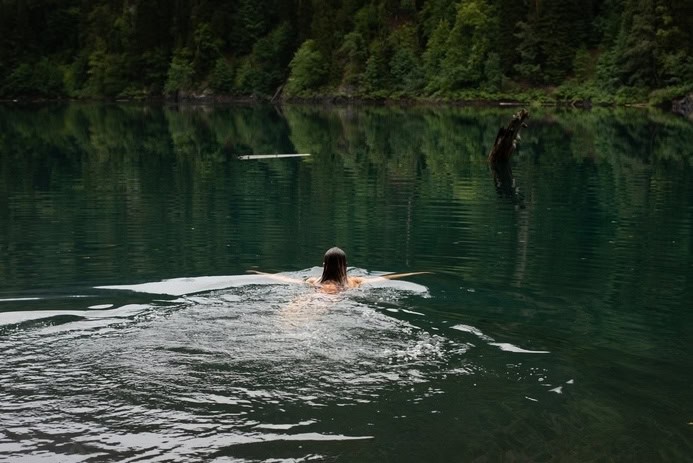
When swimming in lakes or streams, it's important to be mindful of the local ecosystem.
Our presence in these habitats can inadvertently harm the species that rely on them, particularly in areas where water resources are scarce. Drought conditions or arid environments heighten the vulnerability of these water bodies.
Even seemingly harmless substances like sunscreen, deodorants, moisturisers, and especially soaps or leftover food from dishes can lead to significant changes in water quality.
These materials can introduce chemicals and nutrients that disrupt the delicate balance of aquatic systems, potentially harming aquatic plant and animal life.
Pack Light, Pack Right – Free Interactive Checklists
No More Overpacking. No More Forgetting Essentials.
Our free interactive packing lists help you pack methodically and remember everything. Add notes, quantities, save or print, and share with hiking partners so everyone knows what’s covered and what they need. Works on any device.
Available for multi-day wilderness camping, hut-to-hut hikes, and inn-to-inn walks, with new lists added frequently.
7. Be Considerate of Others
Last but definitely not least, is the seventh Leave No Trace principle – being respectful of others.
There is so much in here, from HYOH (Hike Your Own Hike), to checking in on those you pass, or disturbing the hiking trail with your music.
However, If there’s one place where you can make noise, it is most probably in bear cub season – but then, you might feel like a bit of a turkey talking loudly as you're hiking solo.
Anyway, there’s a lot to unpack here, so let’s get started.
Right of Way
I’m going to start with this one, as it’s a particular annoyance of mine. The rule of thumb is to give way to those hiking uphill – unless the uphill hikers stop and give way to you, and thankfully smile for the opportunity to rest. It's just being polite – it's called manners.
Also, when yielding to another hiker, the rule to walk to the left or the right seems to correlate to the side of the road driven on. As an Australian, used to driving on the left, passing someone on the right seems counterintuitive – but not to a hiker who is used to driving on the right hand side of the road.
But what about sharing the path with other modes of transport? There are slightly different rules for each.
Mountain Bikers
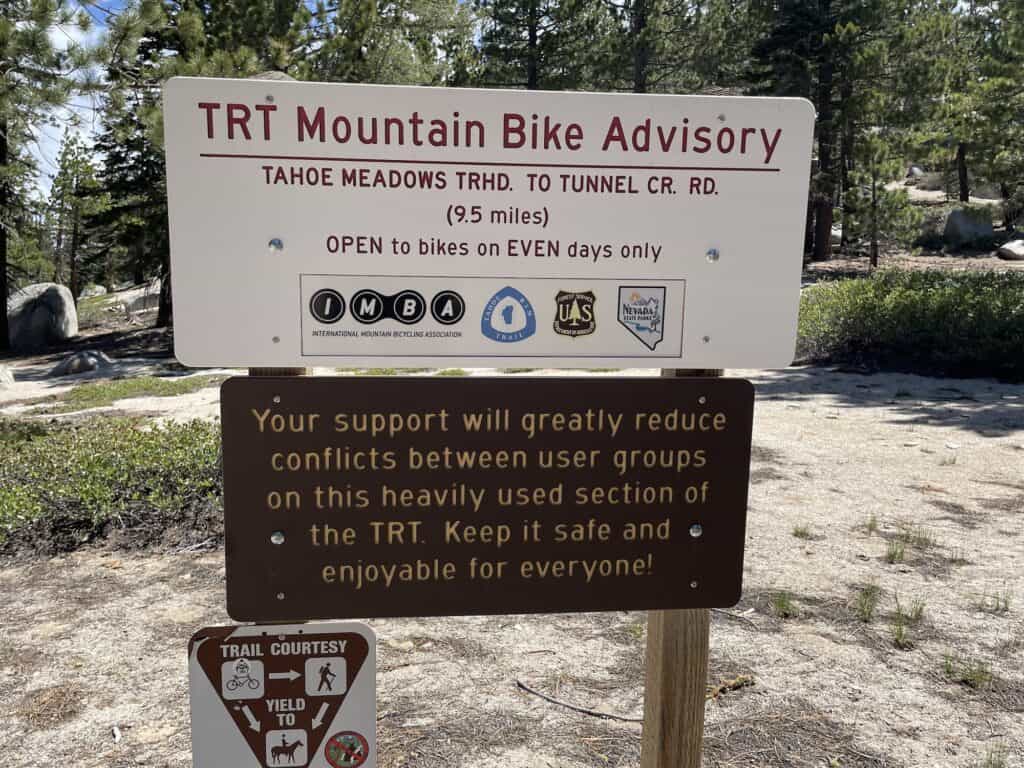
Mountain bikers and hikers sharing trails is less common in Australasia than in North America, where it's more typical to see shared paths. In North America, signs often remind hikers and bikers of the right-of-way, and often there are designated days for mountain bikers on the trail.
During my hikes in North America, I've encountered some incredibly courteous bikers who provide a heads-up well in advance of passing and even announce the number of bikers approaching, such as ‘one of three.' This considerate gesture helps hikers anticipate the oncoming bikers.
Mountain bikers yield to hikers. But if I see a biker struggling uphill, I might just stand aside and let them keep their momentum. It's all about being courteous, and thinking about the other person's experience on the trail.
Horses
Horseback riders have the right-of-way on shared trails. Both bikers and hikers should move to the downhill side of the trail. Just make sure you avoid sudden movements and speak quietly to riders passing by to prevent startling the horses.
If you have your dog with you, ensure your furry friend is on a leash and away from the trail if you think he or she may get excited and bark.
Porter Animals
When on a trail with yaks, llamas, mules, or donkeys, call out to the porter to ask which side they wish you to walk. This may change depending on the terrain, so there is no rule here.
While transport animals are more common in non-English speaking countries, the porter will still be able to understand your intentions and will direct you via a head nod or hand gesture.
Hikers with Reduced Mobility
And lastly, what I think matters most on this topic is people with reduced mobility. Thanks to adapted equipment, more people with reduced mobility are hitting the trails
Those using mobility aids should be given the right-of-way, and it's important for other hikers to move to the side of the trail to let them pass safely.
Interested in
Hiking Safety?
We have a dedicated Hiking Health, Safety and Hygiene Facebook group!
Respect the Quality of Another's Experience
There are two points I’d like to make here. Firstly, there is a saying Hike Your Own Hike which has become a philosophy in the hiker culture. It basically translates to “find out what works for you, put it into practice, and don’t try to tell others how to hike”.
If someone wants to hike just 3 hours a day, or carry a fold-up chair, or a multi tool Leatherman instead of a single lightweight knife weighing just a few grams – let them.
Exceptions to the rule apply with not adhering to proper toileting techniques, or when it begins to negatively impact the experience of another hiker, or puts another hiker in danger.
Secondly, when passing someone – stop and say hello. In the USA, most people will introduce themselves using their trail name.
It's a thing. But when you stop – observe. If the hiker looks disorientated, scared, or even weird to the point you feel uneasy. This is when you report back to fellow hikers.
An example was on the Larapinta Trail. I met a young woman who was clearly struggling. The Larapinta for those that don’t know is in the red centre of Australia. The hot part.
Word spread around quickly to look out for her. While she didn’t complete the entire trail, knowing that her fellow hikers – whether she had met them or not, were looking out for her was exactly what she needed.
READ NEXT: The Tahoe Rim Trail. – A Great First Hike in the USA
Keeping Noise Levels Down
So what's the main reason that we all go out for a hike? If you asked 10 people, you would get some pretty similar replies – two of those would be exercise and nature immersion.
Listening to music can destroy the experience for others. Really your choice of music on the trail or at camp doesn’t matter. Even if you wanted to play Solfeggio, you are still interrupting someone else's nature experience.
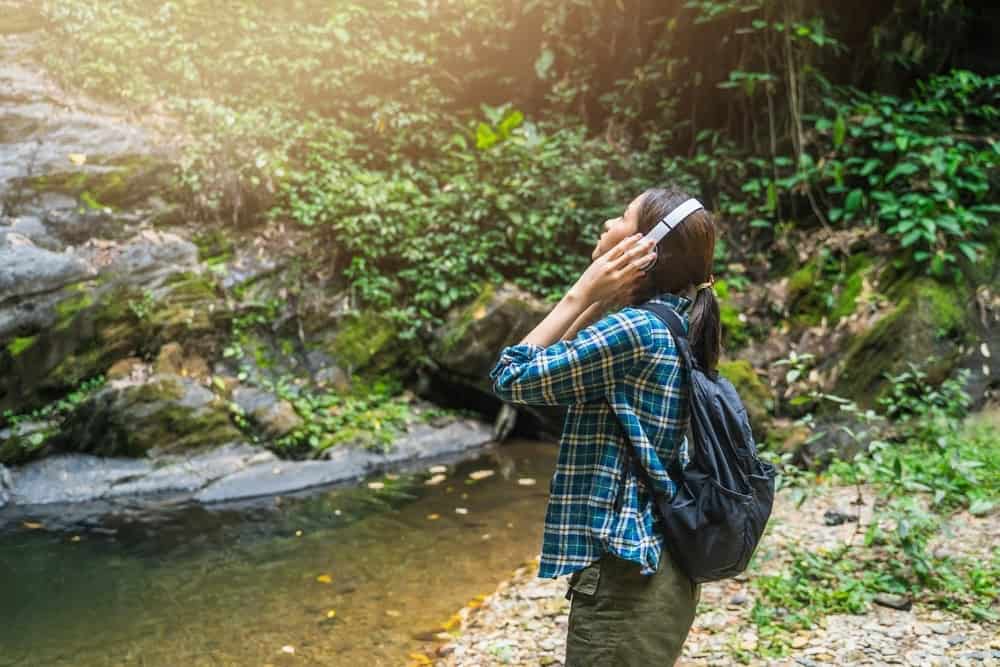
When I was hiking the Great Ocean Walk in Australia, a couple with two children aged 10 and 12 played an audio book on the track. They were out as a family, enriching their children's outdoor experience, which made the use of the audio book in this instance, OK.
Using earbuds might seem like a quieter way to listen to music compared to using external speakers. However, turning up the volume so high that you can't hear someone approaching from behind to pass means your music may be disrupting others around you.
Like This?
We'd love you to share this great guide!
Embracing the Principles of Leave No Trace
In essence, the Leave No Trace principles are not rigid rules but guiding lights for outdoor conduct. Similar to how we maintain the cleanliness of our homes and respect the space of others, these seven principles urge us to extend the same courtesy to nature.
By thoroughly planning our trips, sticking to durable paths, responsibly disposing of waste, leaving natural and cultural artefacts undisturbed, keeping campfire impact minimal, observing wildlife without interference, and being considerate of fellow nature enthusiasts, we embody a mindset that transcends mere outdoor activity.
These principles encourage a shared commitment to conservation and a universal respect for nature’s delicate ecosystems, allowing us to enjoy the present beauty of the wild without compromising its future.
By observing these guidelines, each one of us participates in a collective effort to safeguard our natural heritage—a testament to the belief that the integrity of our wilderness is preserved not just by grand gestures, but through the responsible, everyday actions of individuals.
With every outdoor trek we undertake, let’s carry the Leave No Trace principles with us, just as we would our essential gear, ensuring that the trails and wild places we treasure remain vibrant and vital for generations to come.
Enjoyed this post? – You Might also Like:
- Trail Food Essentials and Nutrition Plan
- The Essential Hiking First Aid Kit
- 5 Wooden Tent Platforms Essential Tips
- Hiking in Summer – A Guide to Beat the Heat on the Trails
- Snake Bite Management in USA and Australia
- Hiking the Rees Dart Track – Mt Aspiring National Park
- Hiking the Greenstone and Caples Tracks – an Alternative to The Routeburn Track
- The GR221 Mallorca – The Dry Stone Route
- Hiking The Tahoe Rim Trail – A Guide for Overseas Visitors
Frequently Asked Questions
Why are the 7 Leave No Trace Principles important?
The 7 Leave No Trace Principles are essential for preserving nature's beauty and ensuring access for future generations. They educate us on reducing our environmental impact during outdoor activities, fostering a sustainable use of natural spaces through responsible practices like waste disposal and respecting wildlife. Embracing these principles helps protect ecosystems and maintain the integrity of the outdoors.
What is the meaning of the Leave No Trace policy?
The Leave No Trace policy embodies an ethical framework aimed at conserving the natural environment by minimising our impact in outdoor activities. It underscores the importance of being responsible stewards of nature by following guidelines that promote sustainability, such as planning, respecting wildlife, and leaving areas as we found them. This policy ensures we do not leave a detrimental footprint.
Which is the best objective summary of the text “Leave no trace”?
The text “Leave No Trace” provides an overview of seven principles aimed at minimising human impact on the environment. These principles encourage outdoor enthusiasts to plan ahead, travel and camp on durable surfaces, dispose of waste properly, leave what they find, minimise campfire impact, respect wildlife, and consideration of others. The goal is to preserve natural spaces for future generations.
What is the Leave No Trace movement?
The Leave No Trace movement, originating in the mid-20th century, arose as a response to ecological damage from increasing wilderness recreation. It aims to educate people on preserving natural environments through responsible outdoor practices. Its seven core principles serve as a guide to minimize human impact on nature, ensuring the sustainability and continued enjoyment of outdoor spaces globally.
How to remember Leave No Trace?
To remember the Leave No Trace principles, the acronym PLAN-DEM, which stands for Plan ahead & Prepare, Leave What You Find, respect wildlife and Agriculture, Noise – keep it down, Dispose of Waste Properly, Enjoy your visit, and Minimise campfire impacts. This mnemonic encapsulates each principle, aiding in recalling the practices designed to preserve the natural environment during outdoor activities.
What are the 7 rules of Leave No Trace?
The 7 Leave No Trace rules include planning ahead, camping on durable surfaces, proper waste disposal, leaving what you find, minimizing campfire impact, respecting wildlife, and being considerate of others. These principles guide outdoor enthusiasts to reduce their environmental footprint and preserve the natural beauty and health of the outdoors for future generations.
What is the difference between the outdoor code and Leave No Trace?
The Outdoor Code is a broad Scouting philosophy advocating respect for nature, while Leave No Trace offers seven specific principles for minimising environmental impact. The Code encourages overall care for the outdoors, whereas Leave No Trace provides practical steps to achieve responsible outdoor activities such as waste management, wildlife conservation, and thoughtful enjoyment of natural spaces.
Why is it important to leave what you find?
Leaving what you find is crucial as it preserves the natural state of the environment for others to experience and maintains ecological integrity. This principle of Leave No Trace helps protect wildlife habitats, historical artifacts, and our natural world, preventing disruptions to biodiversity and ensuring that natural and cultural resources remain intact for future generations to learn from and enjoy.
Is Leave No Trace trademarked?
Yes, Leave No Trace is a trademarked term. The Leave No Trace Center for Outdoor Ethics, which is the organisation responsible for developing and promoting these principles, holds the trademark. The trademark helps protect the integrity of the Leave No Trace message and brand, ensuring that the information is consistently and accurately conveyed to the public.
Is Leave No Trace effective?
Leave No Trace is widely regarded as effective in promoting environmental stewardship by educating and influencing the behaviour of outdoor participants. By providing a framework for minimal impact practices, it helps reduce ecological damage in natural areas. Many national park service and wilderness organisations implement Leave No Trace guidelines to conserve the environment.
How do ‘Leave No Trace' principles apply to training individuals in sustainable outdoor practices?
Integral to fostering an ethos of conservation, training that incorporates ‘Leave No Trace' principles equips individuals with a sustainable mindset when interacting with natural environments. Emphasizing these guidelines within educational programs ensures that outdoor activities are conducted with minimal ecological impact, promoting environmental stewardship and respect for nature.