
Overnight Oats for Hikers. A No-Fuss Trail Breakfast That Actually Fuels You
When you're hiking a multi-day trail, breakfast isn't just a meal, it's fuel. A good trail breakfast should tick several boxes: quick to make, easy to carry, calorie-dense, satisfying, and actually good for your body. That’s where our Awesome Overnight Oats come in.
This is our go-to breakfast for any multi-day hike. We have hiked many an inn-to-inn hike where we've been supplied with a “full Scottish” on the West Highland Way, or a smorgasbord of breads, cheeses and meats in Europe. And to be honest, 2 hours later, we've been depleted of energy. And missing our oats.
When we leave for our hiking trips, we may be hiking up to 60 days over a 90 day period. And during those periods, we want something that’s packable, nourishing, and doesn’t require firing up the stove in the early morning (except for coffee!).

This article may contain affiliate links. If you make a purchase using one of these links, we may receive compensation at no extra cost to you. See our Disclosure Policy for more information.
Why Breakfast Matters on Trail
Let’s start with the basics. Your body does a huge amount of work overnight repairing muscles, processing nutrients, and rehydrating. When you wake up, especially on trail, your body needs a few basics covered:
- Carbohydrates to replenish your glycogen stores and give you energy for the hours ahead.
- Protein to help repair muscles and keep you full.
- Healthy fats for sustained energy and hormone support.
- Micronutrients like magnesium, potassium, iron, and calcium to keep your body functioning well.
- Hydration to offset fluid loss and support digestion.
By covering these basics, a well-balanced trail breakfast stabilises your blood sugar, sharpens focus and decision-making, and pushes back early-onset fatigue.


Our Awesome Overnight Oats Recipe
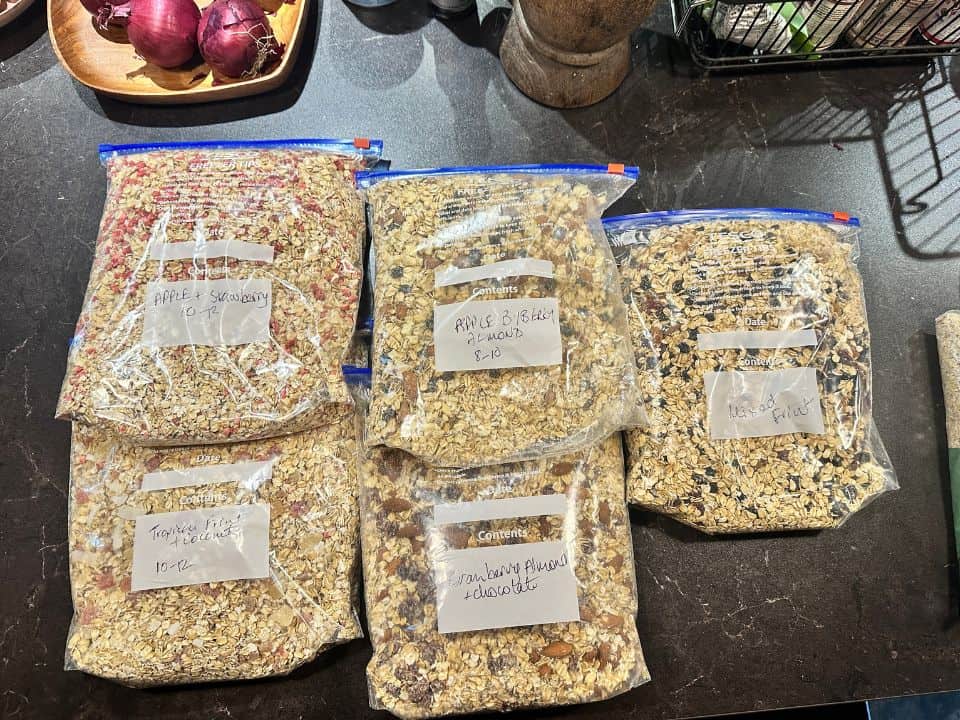
This is what we prepare at home before hitting the trail. Each overnight oats portion can be packed in an individual ziplock bag, or you can carry a larger container of the mix and portion it into a small reusable pouch or your cup at camp. Add water the night before, and breakfast is ready with zero fuss.
Ingredients (per packet):
- 1/2 cup rolled oats (not instant)
- Pinch of salt
- 1 tsp chia seeds
- 1 Tbsp coconut milk powder or almond milk powder
- Flavourings
Variety Flavourings
Mix and match to keep things interesting. It's very easy to get a case of “trail food boredom” – and I feel I'm especially prone to this. The list below is not exhaustive, but here are some of my go-tos:
- Peanut butter powder + goji berries
- Dried apricot + coconut
- Dried blueberries + almonds
- Dried pineapple + ginger + coconut
- Dried apple + cinnamon + raisins
- Cranberries + almond meal (+ cacao nibs!)
- Dried cherries, coconut and cacao nibs
Prep Instructions
- In snack-sized ziplocks, or in one large container or bag (if portioning out in camp), combine the dry base: oats, salt, chia, and non-dairy milk powder.
- Add your flavourings.
- Seal it well.
- At camp, add roughly twice the volume of water to oats (a little more if using crushed or finer oats), or enough to cover the mix by 1–2 cm.
- Let it soak overnight.
- In the morning, give it a good stir and eat straight from the bag or container.
Note: you can also cook up your oats mixture as hot oatmeal.


Why Overnight Oats Work for Hikers
This is where it matters: these ingredients aren’t just trendy, they’re functional. Here’s what each one brings to the table, and why together they form a balanced base of carbohydrates, fats, protein, fibre, and micronutrients that support sustained energy on trail.
Rolled Oats. Your Complex Carbohydrate Base
Oats are a slow-release carbohydrate, primarily composed of starches that include both rapidly digestible and resistant starch. This makes them ideal for endurance activities, as they steadily deliver glucose into the bloodstream without the sharp spikes and crashes in energy.
Other nutrients in oats:
- Magnesium (important for muscle recovery)
- Iron (for red blood cell function)
- Manganese and phosphorus (important in bone health and energy production)

Like this? We've got loads more!
Sign up for our weekly email and get your Free Copy of HIKE IT RIGHT.
An 88-page guide to staying well, looking after your body, and handling things when they don’t go to plan
You can unsubscribe anytime. For more details, review our Privacy Policy.
Chia Seeds. Hydration, Omega-3s, and Endurance
Chia seeds absorb up to 10–12 times their weight in water, forming a gel that slows digestion and helps keep you hydrated longer. They’re also rich in plant-based omega-3 fatty acids (ALA) which help reduce inflammation, a real benefit on back-to-back hiking days
They’re also a reliable source of:
- Calcium (supports bone strength and muscle function)
- Phosphorus (essential for energy metabolism and bone health)
- Magnesium (important for muscle recovery and cramp prevention)
- Protein (about 3g per tablespoon, for muscle repair and satiety)
Coconut Milk Powder or Almond Milk Powder. Creaminess + Fat + Electrolytes
A tablespoon of coconut milk powder adds healthy fats, mainly medium-chain triglycerides (MCTs), which your body can metabolise fairly quickly for energy. Fats also slow the digestion of carbs, helping you feel fuller longer and keeping blood sugar more stable.
Almond milk powder is another option that adds some calcium and vitamin E, while also giving the oats a subtle nutty flavour.
Both options are:
- Lightweight
- Shelf-stable
- Easy to dissolve with cold water

Don’t Gatekeep the Good Stuff.
If you know someone else who'd like this, spread the word!
Let's Talk Flavour + Function
While variety is nice, each flavouring here was chosen with a nutritional purpose in mind. Here’s a breakdown of the “why” behind each option.
Start with Some Dried Fruit
When buying dried fruit for the trail, look for options without added sugar or sulphites. Unsweetened, minimally processed fruit gives you the nutrients without unnecessary extras.
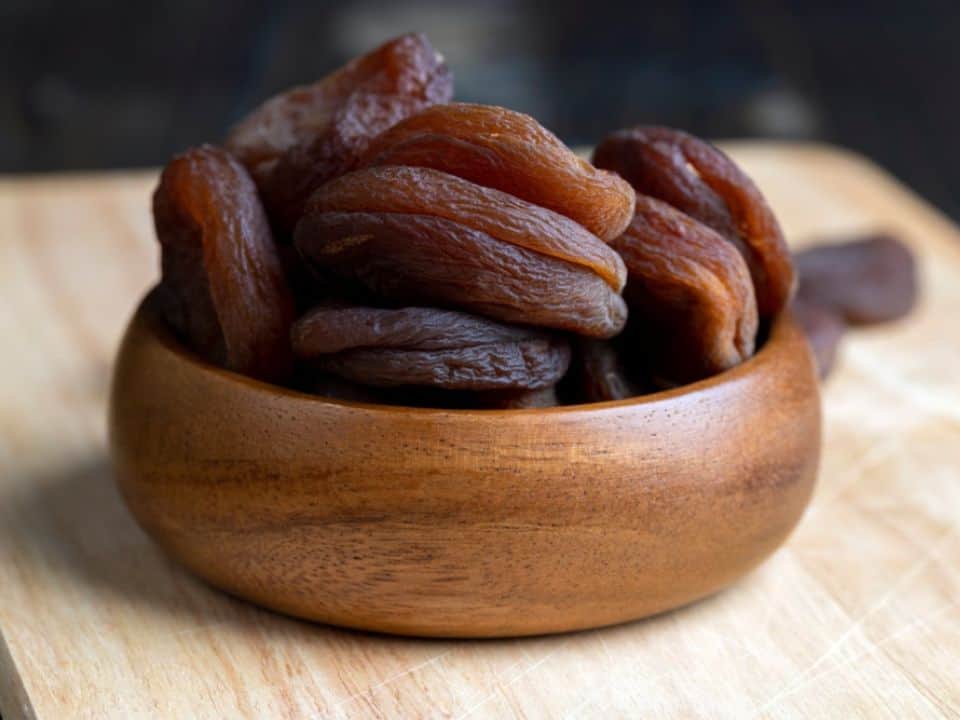
Dried Apricots
Apricots are a good source of magnesium, which supports muscle function, nerve transmission, and sleep regulation. They also provide non-heme iron which is important for red blood cell production, especially for menstruating women or those at altitude.
I go for unsulphured apricots (the brown, ugly ones), as mentioned above. Sulphites trigger inflammation for me, so I avoid them entirely.
Goji Berries
Goji berries contain compounds that support immune function and recovery, including vitamin A and vitamin C. They also contain unique polysaccharides that act as mild adaptogens, supporting the body’s stress response. These are ideal on multi-day hikes when your immune system can take a hit.
Raisins / Sultanas
Raisins are a fast-burning sugar source, giving you a morning energy kick without anything processed. Great if you’ve got a big climb straight out of camp. They also contain boron, which supports bone density and joint health. These are cheap trail gold!
Blueberries
Dried blueberries provide a hit of flavonoids that support memory and reaction times, which is especially useful on trail for decision-making. They’re also high in vitamin C, important for iron absorption and connective tissue repair.
Dried Apple
The real benefit of dried apple is its soluble fibre (pectin), which slows digestion, steadies energy release, and supports gut health. Add cinnamon and raisins and you’ve got fibre, blood sugar control, and a hit of fast fuel. A useful mix at the trail start.


Dried Figs — Fibre + Calcium for Bone Health
Figs provide both soluble and insoluble fibre to support digestion and steady energy release. What sets them apart is their calcium content—unusual among dried fruits—which contributes to bone strength and muscle function. They also supply potassium, useful for fluid balance on long, hot days.
Dried Pineapple — Quick Sugars + Bromelain
Dried pineapple is rich in fast-digesting natural sugars, making it a handy pick-me-up when energy dips. It also contains bromelain, an enzyme that may help reduce inflammation and support digestion—useful during long, strenuous days on trail.
Dried Cranberries — Antioxidants + Urinary Tract Support
Cranberries are well known for compounds that support urinary tract health, but for hikers, their real value is in antioxidants like proanthocyanidins. These help reduce oxidative stress from sustained exertion. Choose low-sugar or unsweetened varieties where possible, as many commercial cranberries are heavily sweetened.
Dried Cherries — Recovery + Anti-Inflammatory Support
Cherries are naturally high in antioxidants and anthocyanins, compounds shown to reduce muscle soreness, speed recovery, and support muscle repair after strenuous activity. Both sweet and sour varieties provide vitamin C and potassium, supporting overall muscle function and repair.
And a Bit of Spice
Spices don’t just make oats taste better—they can calm digestion, ease inflammation, and even have metabolic effects that help your body manage energy more efficiently on trail.
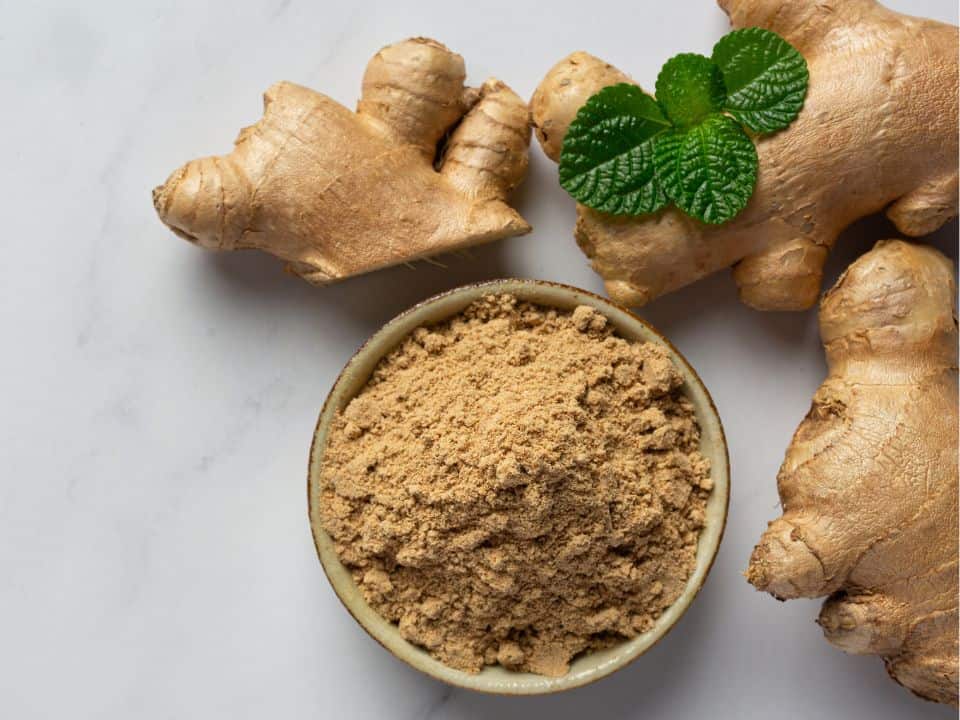
Ginger — Digestion + Anti-Inflammatory Support
Ginger contains bioactive compounds like gingerol, which have anti-inflammatory and antioxidant effects. It’s also well known for easing nausea and supporting digestion—useful if your stomach feels unsettled at altitude or after long days. Even a pinch of dried ginger goes a long way in easing digestion and adding anti-inflammatory support.
Try: Ginger + Dried Pineapple + Coconut or Ginger + Cranberries + Walnuts
Cinnamon — Blood Sugar Regulation + Antioxidants
Cinnamon helps improve insulin sensitivity, which makes it valuable for stabilising blood sugar when eating carbohydrate-heavy meals. It’s also rich in polyphenol antioxidants with anti-inflammatory effects. So basically a small sprinkle in oats supports steadier energy while adding warmth without extra sugar.
Try: Cinnamon + Dried Apple + Raisins or Cinnamon + Dried Pear + Pecans


Turmeric — Anti-Inflammatory + Joint Support
Turmeric contains curcumin, a compound with powerful anti-inflammatory properties. For hikers, that means potential support for joint comfort and muscle recovery during long-distance days. Pairing turmeric with a pinch of black pepper is essential for absorption, allowing your body to actually use the curcumin.
Try; Turmeric + Dried Mango + Cashews or Turmeric + Dates + Pistachios
Tiny, But Mighty Seeds
Seeds are naturally gluten-free and pack a concentrated dose of protein, healthy fats, fibre, and micronutrients—small but powerful additions that keep energy steady and support recovery on trail
Pumpkin Seeds (Pepitas) — Iron + Zinc
Pumpkin seeds are rich in iron, zinc, and magnesium—all critical for energy metabolism, immune function, and muscle recovery. Along with protein and healthy fats that make them one of the most nutrient-dense trail seeds, they also provide tryptophan (the precursor to serotonin, which later converts to melatonin—hello, better sleep).
Try: Apricots + Pumpkin Seeds or Cranberries + Pumpkin Seeds – two classic mixes
Ground Flaxseed — Gut + Hormone Support
Excellent for keeping things… moving. Let’s not sugarcoat it: hiking diets are low-residue. Ground flaxseed helps prevent trail constipation, and it also supports hormone regulation—particularly handy for women in perimenopause or menopause. Whole flaxseeds mostly pass through undigested, so ground is the form your body can actually use—otherwise you’re just carrying them in and out.
Try: Flaxseed + Dried Apple + Cinnamon or Flaxseed + Blueberries
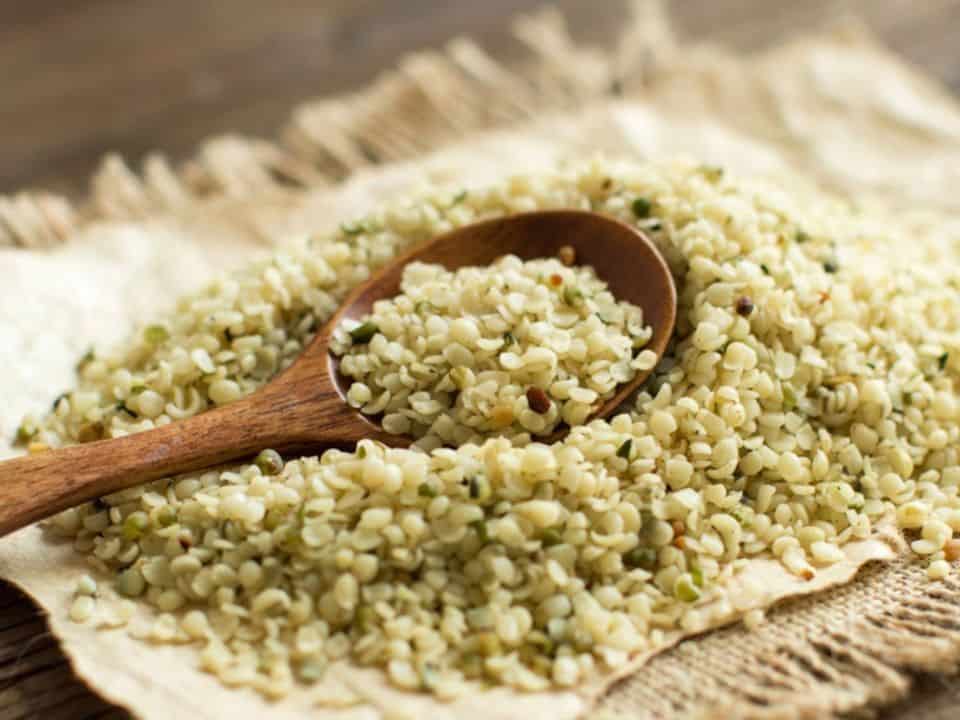
Hemp Seeds — Complete Protein Hit.
High in protein. Full stop. Hemp seeds are one of the few plant-based complete proteins, containing all nine essential amino acids. They’re also a great source of iron, zinc, and omega-3s, but I mainly use them when I know my calorie burn is going to be high. The flavour is a bit grassy, so I usually hide them under something sweet like dried apricot or blueberry..
Try: Hemp Seeds + Dates or Hemp Seeds + Cherries
Sunflower Seeds — Vitamin E + Healthy Fats
Sunflower seeds are one of the best natural sources of vitamin E, which supports skin and tissue repair—useful in hot, dry, or windy conditions where your lips and hands can crack. They also bring healthy fats and a decent hit of protein, which keep energy release steady. I like them toasted for flavour as well.
Try:Toasted Sunflower Seeds + Apricots or Toasted Sunflower Seeds + Dates

Sharing Is Caring
Pass this on to someone who’ll be glad you did.
Nuts, Worth the Weight
Nuts are calorie-dense, protein-rich, and packed with healthy fats—compact little powerhouses that give you long-lasting fuel on trail.
Almonds — Protein + Vitamin Eds
Almonds deliver protein, magnesium, and one of the highest vitamin E contents of any nut. That means support for muscle recovery, energy metabolism, and skin repair in harsh conditions. Added to overnight oats, they become soft and juicy in the morning.
Try: Blueberries + Almonds or Cherries + Almonds
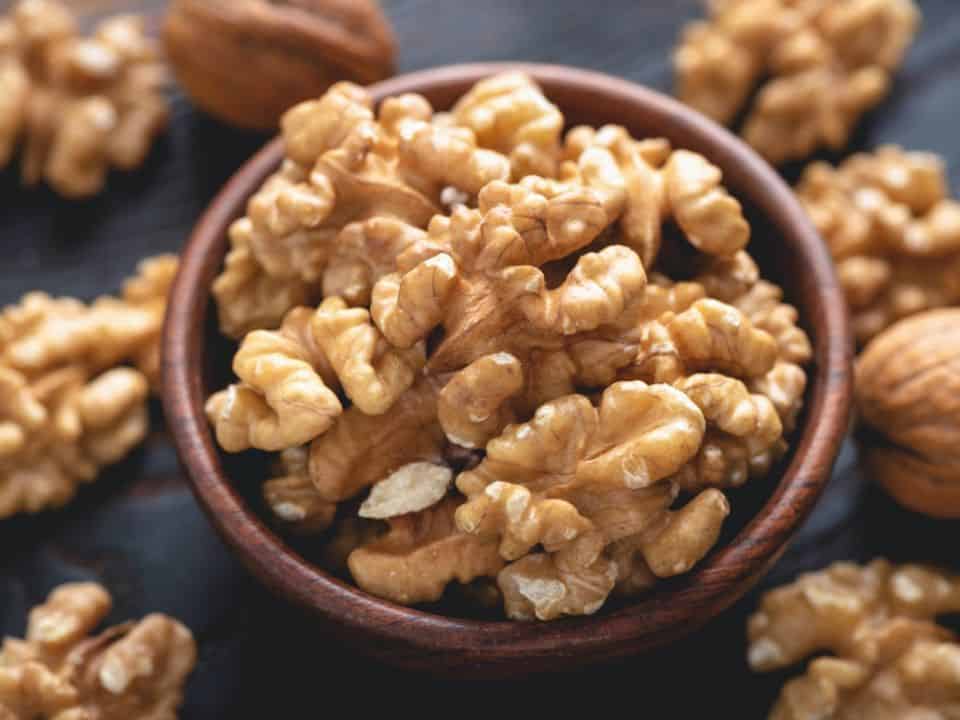
Walnuts — Omega-3s + Anti-Inflammatory Support
Walnuts are unique for their high alpha-linolenic acid (ALA), a plant-based omega-3. This supports supports brain health, joint mobility, and cell recovery. I find them especially useful in colder climates where energy burn is higher. They can go rancid in heat though—only pack what you’ll use within 5–7 days.
Try: Dates + Walnuts or Figs + Walnuts
Peanut Butter Powder — Protein + Familiar Comfort
Peanut butter powder gives you that classic peanut flavour without the weight and oil. It’s high in protein and a good source of B vitamins, magnesium, and potassium—nutrients that support energy production, muscle function, and recovery. Mixed with water, it adds a creamy, satisfying taste to oats, and goes well with dried fruits for a sweet–savory balance, or with cacao nibs for a ‘trail dessert’ vibe.
Try: Goji Berries + Peanut Butter Powder or Raisins + Peanut Butter Powder
Cashews — Magnesium + Easy-to-Digest Fats
Cashews are rich in magnesium for muscle recovery and healthy fats, creamy and easy to eat, with a high calorie count per gram. They also contain tryptophan, a precursor to serotonin. If you’re short on nut butters, a handful of crushed cashews can give you that richness without needing a jar.
Try: Mango + Cashew or Cranberries + Cashew
Do You Need All of This? Absolutely Not.
This list isn’t a prescription. It’s a toolkit. The goal to build breakfasts that work for your body, based on your taste preferences, what's available in your local store, and what your budget allows. But what I can say, is that these are budget friendly meal packages, that will sustain you far more than a $10, £10, or €10 breakfast will for a fraction of the price.
If you found this post useful, it'd mean the world to me if you could share.
If you made it this far, thank you. I hope your trails are packed with adventure, good food and sunshine. Happy Hiking!
ps. If you found this post useful, it'd mean the world to me if you could share!
FAQ
Why are oats good for hiking?
Oats provide steady, long-lasting energy thanks to their complex carbohydrates and fibre. They’re lightweight, versatile, and easy to prepare with just water—no cooking required. Rich in iron, magnesium, and healthy fats, oats help maintain stamina and focus on trail days, making them a smart breakfast choice for hikers.
How long do overnight oats last when hiking?
When made with dry ingredients and powdered milk, overnight oats will keep for several days in a sealed bag or jar. Once hydrated, eat them within a day. In warm conditions, keep the mix dry until the night before you plan to eat, then soak in filtered or boiled water.
Can I make overnight oats without refrigeration?
Yes. For multi-day hikes, prepare a dry mix of oats, chia, milk powder, and flavourings. Add water at camp, stir, and let it soak overnight or for at least two hours. No refrigeration is needed if you avoid fresh dairy or fruit—just use dried ingredients and eat promptly.
How can I boost protein in my trail oats?
Add a scoop of protein powder, powdered nut butter, or crushed nuts. Oats alone are moderate in protein, so pairing them with seeds or milk powder helps recovery and muscle repair after long days on the trail. A handful of almonds or hemp seeds adds both protein and crunch.
Are overnight oats safe to eat cold on trail?
Yes—if prepared with clean water. Many hikers cold-soak oats in their food jar overnight, and they’re perfectly safe the next morning. Use filtered, boiled, or treated water, and avoid ingredients that spoil quickly, such as dairy yoghurt or fresh fruit. It’s a refreshing, no-cook breakfast option.
Can I add fresh fruit to my overnight oats?
If you’re on a short overnight trip, yes—but for longer hikes, use freeze-dried or dried fruit. They rehydrate overnight, add natural sweetness, and avoid the weight and spoilage risk of fresh produce. Dried berries, apricots, or apple pieces work beautifully and provide useful trail-day minerals.
What are the best oats to use for hiking breakfasts?
Rolled oats or “jumbo oats” are ideal—they pack small, absorb liquid well, and keep their texture. Instant oats can turn gluey, while steel-cut oats need cooking time and more fuel. For multi-day hikes, choose rolled oats for the best balance of nutrition, weight, and convenience.
How can I reduce bulk or weight when packing oats?
Pre-portion servings into lightweight zip bags or reusable pouches. Mix all dry ingredients first, label each for easy rationing, and pack only enough for your trip. Using milk powder and dehydrated fruit cuts both weight and space while keeping the mix nutritionally balanced.
How do I clean up after eating oats when wild camping?
Follow Leave No Trace principles: scrape leftovers into your rubbish bag and wipe your bowl with a small square of paper or a leaf before rinsing. Strain any greywater through a mesh or away from waterways. A few drops of biodegradable soap are plenty—don’t overuse it.
How much water should I add to oats when hiking?
Start with about one and a half parts water to one part oats—roughly three-quarters of a cup of water for half a cup of oats. If you prefer them creamier, add a little more liquid. Chia seeds soak up extra water, so give the mix time to thicken before eating.