

Kokoda Challenge Food, Nutrition, Gear and Preparation
Are you preparing for the Kokoda Challenge?
Tackling your nutritional strategy with the right Kokoda Challenge food choices is really important, as the success of your journey depends heavily on effective preparation.
Knowing ‘why' certain foods are beneficial can be as important as the gear you pack. With a focus on the essential elements of food, nutrition, and gear, this guide illustrates their importance for your comprehensive Kokoda Challenge preparation.
In This Guide I will Cover:
- Nutrition before the event
- What to pack and eat during the challenge
- What happens if you don't drink enough fluids
- What happens if you drink too much!!
- What gear do I need to take?

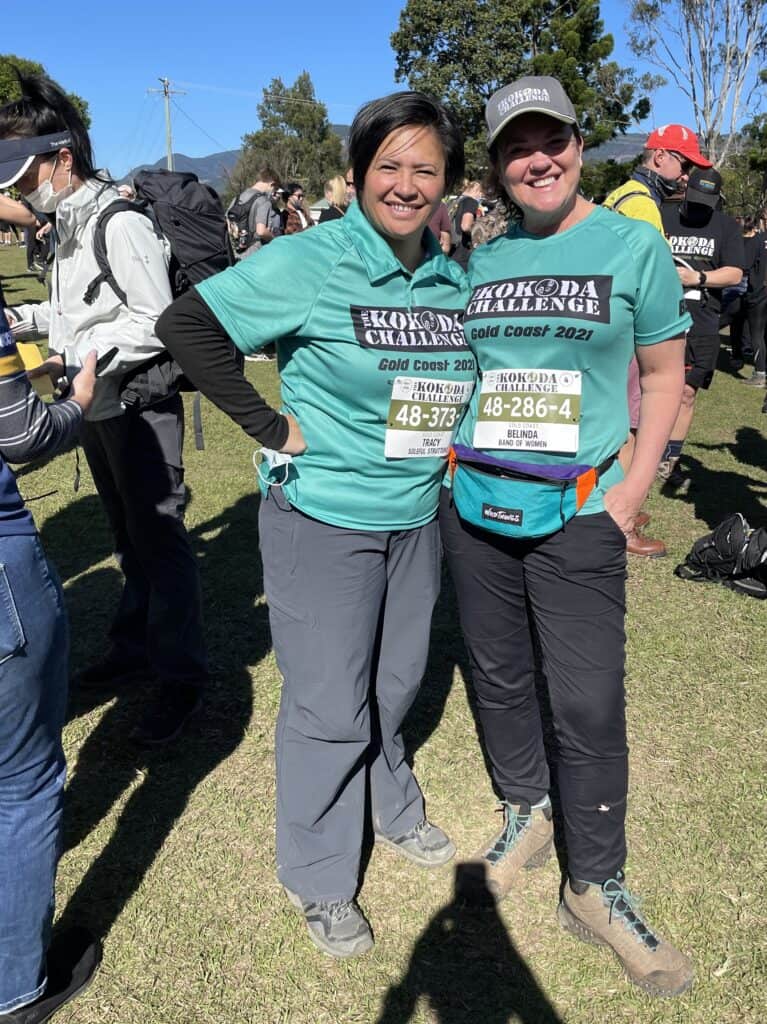
This is a guide is about nutrition and prep for the Kokoda Challenge.
You might like to check out the companion posts:
Conquering the Kokoda Challenge
Guide for the Kokoda Challenge Support Crew
This article may contain affiliate links. If you make a purchase using one of these links, we may receive compensation at no extra cost to you. See our Disclosure Policy for more information.
Maximising Energy Stores with Pre-Event Carbs
Carb-loading is a strategic move for optimising your Kokoda Challenge food plan, or for any endurance event.
Complex carbohydrates, which are abundant in foods like whole grains and starchy vegetables, serve as the body's primary energy source.
In the important lead-up week before the challenge, these nutrient-dense carbs are crucial for building up glycogen stores — your body's energy bank.
This pre-event nutrition strategy gears your muscles up for the sustained effort required throughout the long and arduous trek of the Kokoda Challenge.
To help you maximise your energy stores during the pre-event week, include the following foods in your diet:
- Brown rice and wild rice, which offer long-lasting energy and fibre.
- Quinoa and whole grain pastas for a protein-packed carb source.
- Starchy vegetables such as sweet potatoes, beetroot or corn, which provide essential vitamins and minerals.
- Oats in the form of oatmeal or granola, for breakfast or snacks.
- Whole grain breads, topped with nutrient-rich spreads like almond butter or avocado.
- Beans and lentils, not only contain carbohydrates but also additional protein.
- Fruits like bananas, oranges, and apples, great for snacking while topping off glycogen levels.
Hydration Strategy for the Kokoda Challenge
Proper hydration is an important aspect of your Kokoda Challenge preparation. Water is vital for every cell to function, especially during physical exertion when your hydration needs increase significantly.
Alongside water, electrolytes play an essential role; they are minerals such as sodium, potassium, and magnesium. These minerals help maintain your body’s fluid balance, enable muscle contractions, support nerve function, and prevent muscle cramps during long periods of physical activity.
Electrolytes act like your body's spark plugs, and replenishing them is vital because you lose these salts through sweat.
A good balance between hydration and electrolyte intake is key to avoid both dehydration and hyponatremia, a condition caused by overhydration where the body's sodium levels become dangerously low.

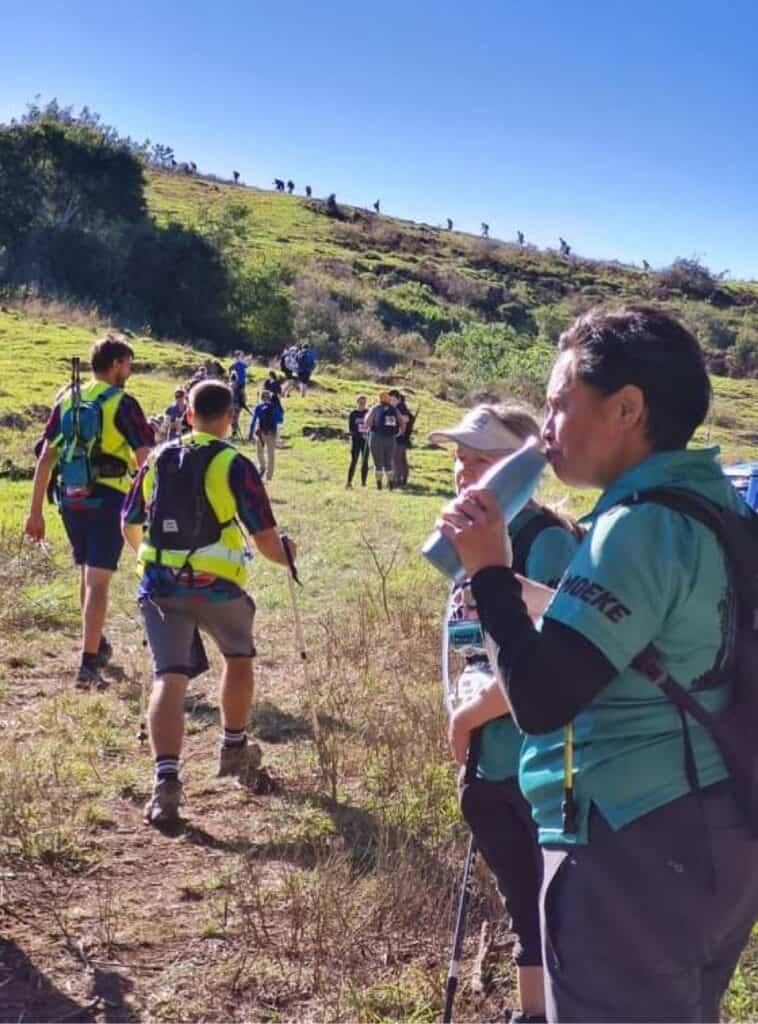
The Risks of Improper Hydration
Dehydration and its dangers: Dehydration occurs when you're not taking in enough fluids to replace what is lost through sweat and exertion.
Signs to watch for include fatigue, dizziness, dry mouth, and decreased urination with darker urine. Severe dehydration can lead to conditions requiring immediate medical attention.
Over-hydration and electrolyte imbalance: Conversely, drinking excessive amounts of water without adequate electrolyte replacement can lead to over-hydration, or hyponatremia.
This dilutes the sodium in your body, which is critical for many bodily functions. Symptoms can be subtle but may include nausea, headache, confusion, and in extreme cases, seizures. It is imperative to balance your intake of fluids with electrolytes.
During the Kokoda Challenge, it's important to monitor both your own condition and that of your teammates for signs of dehydration or over-hydration. Our post on Hiking in Extreme Heat goes into this in more detail.
Sustaining Kokoda Challenge Food Choices
Carrying the right kind of food on your Kokoda Challenge is important for maintaining energy, especially as you will be trekking through the night.
Your Kokoda Challenge food should contain a mix of complex carbs for sustained energy release, proteins for muscular endurance, and fats for longer-term fuel. Easy-to-digest foods are preferred to avoid gastrointestinal discomfort during constant movement.
Think about packing foods that not only energise but are also comforting. Eating familiar and enjoyable foods can uplift morale during the toughest parts of the challenge.

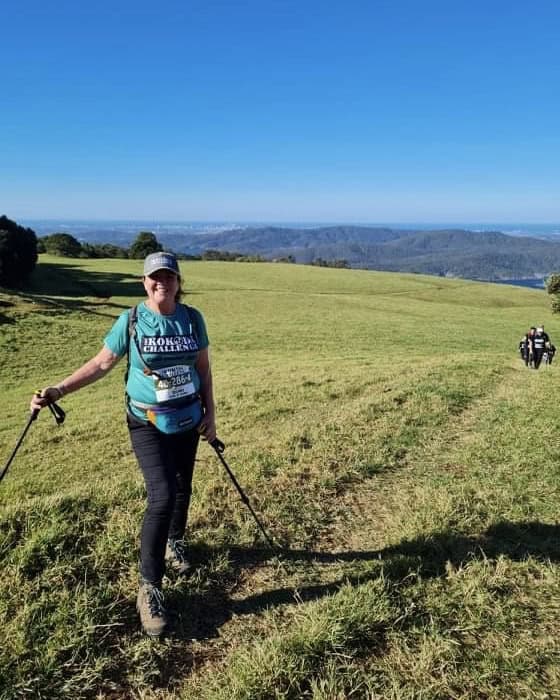
Nutrient-Dense Snack Ideas:
- Energy gels and chews, which provide an immediate glucose supply essential for quick bursts of energy. They're particularly handy during moments of intense physical exertion or when you need a rapid recovery from fatigue.
- Protein-packed nuts and seeds, offering vital amino acids and fats that release energy over a prolonged period. This can help sustain your stamina during the night-time hike.
- Dried fruits such as dates, figs, or raisins, have concentrated sugars for a quick and convenient energy boost without the bulk.
- Sandwiches with peanut butter or lean meats can be both satisfying and nourishing, providing a balanced profile of nutrients.
- High-energy, low-weight foods like granola or protein bars are convenient when you need a quick refuel without breaking stride.
- Fruits such as bananas or apples are beneficial for their quick-release sugars and added fibre, which can aid digestion and prevent energy crashes.
When night falls and the body's energy demands increase to combat fatigue and colder temperatures, these Kokoda Challenge food options can make a significant difference in your performance and overall experience.
If you are in a Support Crew – you may like our Guide for the Kokoda Challenge Support Crew
Kokoda Challenge Recovery Post-Event Nutrition
After completing the strenuous Kokoda Challenge, the focus shifts to recovery, primarily incorporating carbs and proteins.
Carbohydrates are important for restoring muscle glycogen that is depleted during the event. Proteins aid in the repair of muscle fibres that may have experienced microscopic tears.
Additionally, consuming electrolyte-rich drinks and foods is important to reestablish electrolyte balance following significant fluid and salt loss from sweating.

Here are some meal and supplement suggestions to optimise your post-Kokoda Challenge recovery:
- Immediately After: A recovery drink containing both protein and carbohydrates can provide quick replenishment directly after the event, especially if appetite is suppressed.
- Hydration: Continue to drink water and opt for electrolyte solutions or drinks, which will help replenish sodium, potassium, and other key minerals.
- Ongoing Meals: Include wholesome meals throughout the next day to continue recovery. Think about options such as grilled chicken with roasted vegetables and quinoa or a hearty vegetable and legume soup with a side of brown rice.
- Supplements: If whole food options aren’t immediately available, or if appetite is lagging, supplements like protein shakes and BCAA (branched-chain amino acids) can be helpful to kickstart muscle repair.
By paying attention to your post-event Kokoda Challenge food intake, you support your body's ability to recover efficiently. This allows you to return to your daily activities or training routine sooner.

Kokoda Challenge Gear Selection
As you prepare your Kokoda Challenge gear for the big day, note that the right equipment can make all the difference.
Your pack should contain all the necessary gear and food to get you through the event safely, but also be as light as possible to avoid unnecessary strain.
Here's a general checklist of what you should include:
Compulsory Gear:
- Backpack: A well-fitted and comfortable backpack with waist and chest straps.
- Hydration System: Water bladder or bottles sufficient to carry at least 2-3 litres of water. You must turn up at the event with full containers!
- Headlamp with Extra Batteries: Essential for hiking during the night hours.
- Mobile Phone: Fully charged and with a portable charger/power bank.
- Whistle: To signal in case of emergency.
- Sun Protection: Sunscreen, hat, and sunglasses.
- Weather-Appropriate Clothing: Think layers, including moisture-wicking base layers, a warm middle layer, and a waterproof and windproof outer layer.
- Change of Clothes and Extra Socks: To keep dry and prevent blisters.
- Poop Kit: – carry trowel, toilet paper, kula or pee cloth and doggie bags for packing out used toilet paper. The shovel does not touch your poop, it digs the hold to bury your waste.
- Safety Vest: Each participant must carry one to wear when hiking at night-time and when crossing the roads.
- First Aid Kit: Include blister plasters, antiseptic, tape, bandages, pain relief, antihistamine, and personal medication. Each person must carry their own First Aid Kit.
- Race Bib: These will be given out shortly before the event.
- Water Shoes: for creek crossings.
You might also like to read our Main Article on the Kokoda Challenge
Essential Gear Recommended:
- Walking Poles: Especially useful for reducing the impact on knees during descents.
- Insect Repellent: To protect against insect bites.
- Gaiters: To keep debris and mud out of your shoes.
- Face-Buff: For sun and cold-wind protection.
- Gloves, Beanie and Thermals: It can get VERY cold at night.
- Microfibre Towel: To dry your feet after creek crossings or before re-strapping
Essential Gear Recommended for the Group:
- Maps and Compass/GPS: Although the course is well marked, for safety in case you get lost.
- Emergency Blanket or Bivvy: For warmth if someone gets stranded or injured.
Footwear:
- Durable, Comfortable Boots or Trail Running Shoes: Broken in and appropriate for long distances.
Items to include in your Support Box
Your support box will be transported to the event by your support team. It will most likely be night-time when you meet up with your support team, so adding warm clothes to put on before you cool down is essential. Make sure you write your name on your box.
- Electrolytes
- Spare clothes, including socks
- Warm beanie and jacket for when resting during
- Spare batteries for your headlamp
- Charged power bank for your phone or other electronic devices.
Event Pack Collection
Before starting The Kokoda Challenge, you'll need to collect your team's event pack, which includes race bibs, official event t-shirts and a support crew car pass.
You can pick up the pack either at pre-registration the day before the event or on the morning of the event.
We highly recommend collecting it the day before to avoid last-minute stress. If someone else is collecting the pack for you, they need to inform the volunteers at pre-registration. Click here for detailed information on pre-registration and event day pack collection
Kokoda Challenge Preparation Wrap-Up
Your performance is deeply connected to the quality of your preparations, including the specific Kokoda Challenge food strategies and the careful selection of gear.
A balanced approach to carbohydrates and proteins will support muscle recovery, while your gear choices will protect and sustain you on your journey.
Embrace the challenge with thorough planning, and let the right food and gear be the foundation of a truly memorable and successful Kokoda Challenge experience.
Interested in Hiking? You might also like these Guides:
- Navigating the Overland Track Solo
- Hiking Frenchmans Cap -Tasmania’s Iconic White Peak
- Hiking the Rees Dart Track – Mt Aspiring National Park
- The Rakiura Track – A Great Walk on Stewart Island
- Traverse Walls of Jerusalem to the Overland Track via Lees Paddock
- Hiking The Tahoe Rim Trail – A Guide for Overseas Visitors
- Conquering the Gold Coast Kokoda Challenge
- Plan Your Larapinta Trail Sections, Best Time of Year, Resupply, and Transfers
- Larapinta Trail Food Essentials and Nutrition Plan