
Hiking in Summer – A Guide to Beat the Heat on the Trails
Planning on hiking in summer?
Hiking in Australia, I've had my fair share of hiking in the heat. But I won't lie, the heat coupled with exertion turn my face a bright beetroot shade, and my enjoyment level can plummet when hiking in the height of summer.
However, during the long Australian summer, I usually head for the lush rainforest in Lamington National Park, which I dub my playground. And as well as escaping to cooler temperatures, I've learnt to cope with strategies which I will share with you.
Welcome to my guide on hiking in the heat, where we'll go over the best strategies and tips for tackling the trails during the sweltering summer months – or if you just live in a hot place.
I'll cover everything from selecting the best snacks for hiking in hot weather to managing hydration and electrolyte balance, as well as how to identify and respond to heat-related illnesses.
My goal is for you to hike safely and enjoyably, even when the mercury soars.
Quick Links – Main Points Covered in this Guide:
- How do I prepare for Hiking in Extreme Heat?
- What clothes should I Wear on a Summer Hike?
- Why do I Need a Hat?
- How much Water should I Drink?
- What is the difference between Heat Stroke and Heat Exhaustion?
- Why Heat can Kill
A full list of inclusions can be found in the Table of Contents

You May Also like these Helpful Articles:
The Essential Hikers First Aid Kit
How to Toilet in the Wild
Snake Bite Care in Australia and USA
5 Tips for Camping on Wooden Tent Platforms
The 7 Principles of Leave no Trace
This article may contain affiliate links. If you make a purchase using one of these links, we may receive compensation at no extra cost to you. See our Disclosure Policy for more information.
Preparation for Hiking in Summer
No matter how well you know your trail, preparation is important. Realistically there should be no excuses for not checking the weather. Weather reports are probably one of the most publicly accessible resources out there.
Trail Knowledge
Trail knowledge is extremely important if you're hiking somewhere you haven't been before, or haven't visited in a long time. Take time to understand the distance and elevation yourself. Don't rely on a mate to tell you that “it's easy”. Firstly, what's easy for some, might not be for others, and secondly, does your mate even know what they're talking about?
Looking at an elevation map, you can work out how steep the climb or descent will be. If you are hiking a trail with options for direction, studying the elevation map will help you decide which way you want to travel to avoid a steep climb in the heat of the day.
Studying the map will also alert you to the locations of water sources. There may be many streams, but they could be concentrated at only one end of the trail. Knowing where the water is will influence the direction you take on the trail or even help you decide if this trail is the right one for today.
If you are using an online map such as FarOut, which relies on updates through crowdsourcing, check the dates for the latest updates and be aware that water sources can potentially dry up within just a day or so.

The Weather Report
Before your hike, check out the latest weather forecast, focusing on high temperatures and the UV index. Also, be aware of summer thunderstorms which can happen in alpine territory.
Plan to start in the early morning to take advantage of the cooler temperatures. It's not unusual for me to start a hike at 5am, or even earlier. There's something I love about starting a hike with a head torch on. It kinda has an excitement element.
Wear the Right Clothes
Dress in lightweight, breathable clothing that will give you sun protection. For gear, a backpack with good ventilation can be more comfortable by helping to reduce sweat and regulate the temperature on your back.
Entering Snake Country? – Read Our In-depth Guide on Australian and USA Snakes
Hydration
Hydration is super important in the heat at any time – and even more so when hiking. Either carry bottles or get yourself a water bladder with a drinking hose.
A general guideline is to drink about half a litre (17 ounces) of water per hour of moderate activity in moderate temperatures. In hot temperatures this can increase to about one litre (34 ounces) per hour. So it's really important you have the ability to carry as much water as will be needed.
As well, make sure you have water treatment supplies ready to take for refilling at natural sources. This can be a water filter or treatment tabs.
Symptoms of dehydration and heat exhaustion include fatigue, dizziness, rapid heartbeat, and dark urine (which may be hard to recognise when toileting in the wild). On the flip-side, it's important to be aware of Hyponatremia. Read more in our Heat-Related Illnesses section.
Trail Selection
This one goes hand in hand with the note about studying the maps available. Choose your route wisely, if you don't think you will cope with the elevation gain in the heat – choose another trail.
Prioritise shaded trails with water sources over open trails without. Also look at trail length. While a trail might be doable on a day with moderate temperatures, will the heat affect how quickly you will hike – especially if you are hiking in a group and may need to make allowances for the slower hikers.
First Aid Essentials
It's important to carry a first aid kit adapted for hot weather hiking. This should include electrolytes, sunscreen, blister care items, and a space blanket to deflect the sun's rays.
Also learn how to recognise heat-affected illnesses such as heat exhaustion, heat stroke, and hyponatremia. More importantly, learn what to do if someone does have a heat-related illness.
READ NEXT: The Essential First Aid Kit for Hikers -+ Satellite Comms.
Communication Prep
Which brings me to my next point – communication. What will you do if you need emergency assistance in the middle of nowhere?
Take along a satellite communicator or personal locator beacon, especially if hiking in remote areas. It's also important to be adept with navigation tools like maps, a compass, or a GPS.
Believe it or not, your phone can also be affected by heat. Excessive heat can cause your phone battery to work less efficiently by speeding up the chemical reaction inside it, which can lead to a faster depletion of the charge.
Therefore, it's really important to make sure your phone is properly charged and also take along a lightweight power bank.


Itinerary and Safety Plans
Be sure to write out your itinerary, including trailhead names, routes, and planned stops, and share it with someone reliable.
Finally, always have backup plans and exit strategies in place for unforeseen complications to navigate safely while hiking in hot weather conditions.
Clothing for Hot Weather Hiking
Selecting the right clothing and gear dramatically affects your experience when hiking in summer.
Moisture-wicking fabrics are great as they help regulate your body temperature by pulling sweat away from your skin. Moisture-wicking fabric is particularly beneficial when hiking in hot humid weather, where the combination of heat and moisture can be challenging.
While it might evoke images of Mary Poppins, don't underestimate the power of an ultra-light hiking umbrella. This simple piece of gear can significantly lower the temperature underneath it, often by 5-10 degrees.
During my trek along the northern sections of the Heysen Trail, outback flies were a constant presence. The flies were swarming everywhere but under my umbrella which was I'd guess at least 5 degrees (C) cooler!

When shopping for hiking clothes, look for performance fabrics with UV ratings. Clothes with a UPF (Ultraviolet Protection Factor) reduce how often you need to apply sunscreen to covered parts of your body.
Unlike clothing requirements for hiking in cold weather, hot weather hiking requires loose-fitting clothes that enable better airflow, and let any moisture against your skin dry quickly.
I have taken to wearing a sun hoodie and a cap – as opposed to a long sleeved shirt and wide-brimmed hat. It’s a matter of personal preference.
Regardless, protecting your head is critical – and it's not just to hold up a brim. Not wearing head protection in hot conditions can prevent your body's efficient cooling mechanisms from effectively dissipating heat, potentially resulting in overheating.
Footwear is also important to consider. Heavy leather hiking boots will feel like bricks on your feet at the end of the day. Maybe swap out for lighter weight trail runners or hiking sandals.

Share the Knowledge!
If you know someone who’d benefit from this guide, spread the word!
If you are prone to blisters, take along an extra pair of socks. Stopping mid-hike to exchange your socks feels like pure bliss. Avoid cotton socks and look for performance enhancing socks or merino (my choice). My all time favourite socks are Darn Tough (Darn Tough Aus) – not only do they come in lovely patterns, but they also have a lifetime warranty.
Alternatively, you may like to try a pair of lightweight toe socks which prevent chaffing on your footbed.
And to protect your eyes from UV rays, you need good quality sunglasses. I use armless sunglasses which tie at the back of the head. I find these glasses don’t slip down your nose when hiking in hot, humid weather.
Use a high-SPF sunscreen to shield exposed skin. When selecting sunscreen for your hike, consider environmentally-friendly, reef-safe options to protect not just your skin but also the delicate ecosystems you may encounter during swims or water crossings.
A hot-tip for hiking in the heat is a cooling accessory, such as a bandana that contains cooling polymers (SAPs). There’s a science behind these – which includes osmosis, hydration, evaporation, and vaporisation. But for now – I’ll just say, you dunk them in water and they keep your neck nice and cool. Pretty cool eh?
READ NEXT: Our Complete Guide to Toileting Responsibly when Hiking
Why Wear a Hat when Hiking in the Heat?
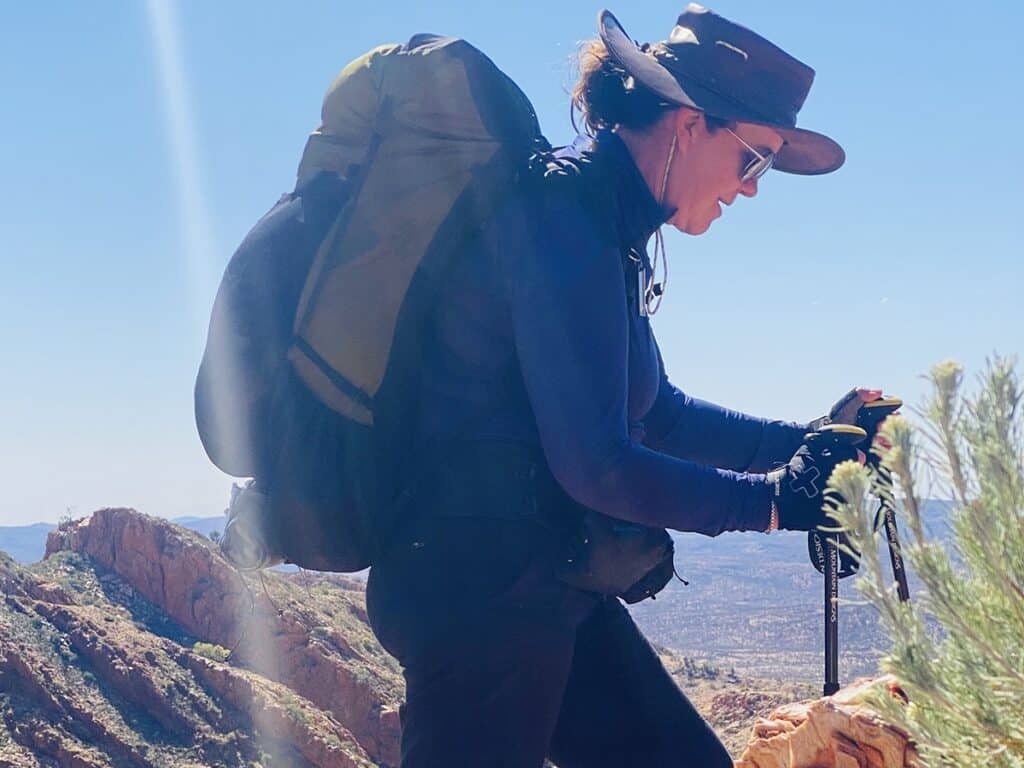
Wearing a hat is my top tip for staying safe and comfortable while hiking in the summer heat, as it serves critical functions for health as well as sun protection.
The head, with its large surface area, absorbs heat rapidly when exposed to sunlight. This ultra-absorption can lead to a dangerous buildup of heat within the body and causing discomfort or potentially heat-related illnesses like heat exhaustion or heat stroke.
The scalp, lacking the insulation fat found in other body areas and with less efficient sweat evaporation, struggles to manage this heat, creating a risk of overheating.
As well, the skin on the scalp, face, and neck is quite sensitive to UV radiation. A hat provides a physical barrier against this radiation, offering protection against sunburn, premature aging, and the potential for skin cancer.

Pack Light, Pack Right – Free Interactive Checklists
No More Overpacking. No More Forgetting Essentials.
Our free interactive packing lists help you pack methodically and remember everything. Add notes, quantities, save or print, and share with hiking partners so everyone knows what’s covered and what they need. Works on any device.
Available for multi-day wilderness camping, hut-to-hut hikes, and inn-to-inn walks, with new lists added frequently.
You will note when you go for your skin cancer check, the doctor will pay particular attention to your scalp!
Furthermore, the brim or visor on a hat helps protect the eyes from the sun's glare, decreasing the likelihood of UV-related eye damage such as cataracts or macular degeneration.
Above all, a hat is indispensable for anyone hiking in extreme heat. Ensure you choose a hat with good protection to do the job.
Staying Hydrated
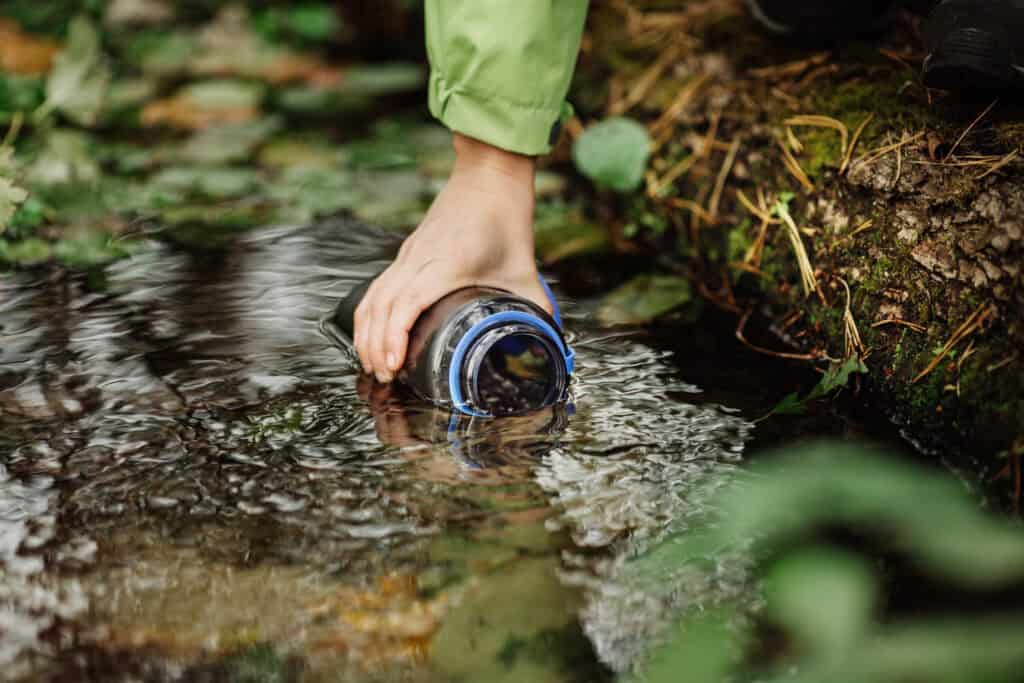
Hydration is important for any hike, and especially in hot weather, to prevent fatigue, muscle cramps, heat exhaustion, and even heatstroke. Before you set out, make sure you're well-hydrated, with plenty of water already in your system.
However, ‘cameling up,' or drinking excessive amounts of water before starting, isn't an effective strategy. The body can only digest a certain amount of water in a given period, so focus on achieving ‘adequate' hydration without overdoing it.
Symptoms of dehydration and heat exhaustion include fatigue, dizziness, rapid heartbeat, and dark urine (which may be hard to recognise when toileting in the wild). On the flip-side, it's important to be aware of Hyponatremia. Read more in our Heat-Related Illnesses section.
Throughout your hike, maintain your hydration by drinking water regularly, not just when you're thirsty, as thirst is a late indicator of dehydration. Aim for half a litre to a litre of water per hour, adjusting based on the hike's intensity and the weather.
Monitor your hydration levels by checking the colour of your urine. Light yellow indicates good hydration, while dark signals a need for more water. This may be more difficult to check when urinating in the wild, so be aware of that.
Check out my Larapinta Trail Gear List for details on my Hydration System
Electrolytes are also essential for hydration and muscle function and you lose these important elements when you sweat. Replenish them through your food or supplements.
Plan your hike around available water sources and carry treatment options for natural sources. It's good to carry more water than you think you'll need to be prepared for unexpected circumstances, or an inability to find water.
Also avoid alcohol and caffeine before and during your hike, as they can accelerate dehydration. That means the night before as well.
Nutrition for Energy
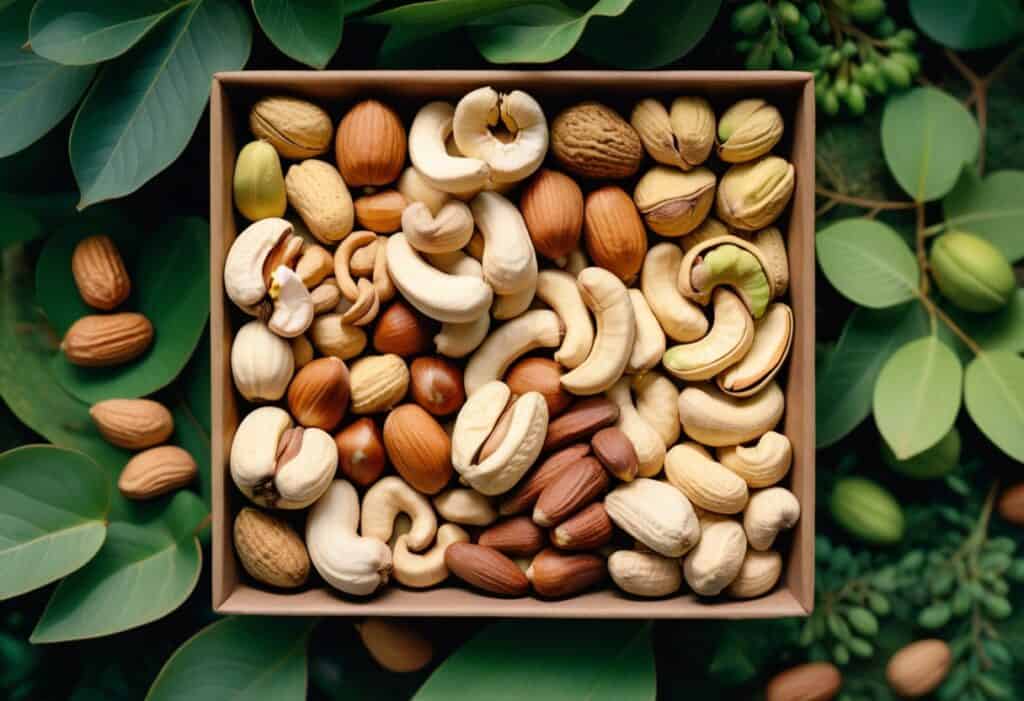
You may not feel like eating on the trail – heat can do that to you. However, keeping up with the snacks is important for sustaining energy and replenishing electrolytes. Prioritise nutrient-dense foods to efficiently fuel your body.
Try and eat a well-rounded meal before setting out. It'll help sustain you later in the day when the temperatures are at their fullest. It doesn't have to be heavy. Simple options like oatmeal and fruit, yogurt, whole-grain toast with nut butter, or scrambled eggs provide the necessary balance of energy-sustaining nutrients.
Snacks: When choosing on-trail snacks, go for lightweight, easily digestible options that maintain energy levels without weighing you down. Things like trail mix, granola bars, energy gels, dried fruits, and nuts are some of the best snacks for hiking in hot weather, as they are quick to eat and nourishing.
You Might Also Like: Complete Nutrition Plan for Multi-Day Hikes
Hydration through Food: Water-rich fruits and vegetables such as watermelon, cucumber, oranges, and berries, not only quench thirst but also assist in maintaining electrolyte balance. If you are multi-day hiking, a couple of oranges are great when starting out from a resupply stop.
Electrolyte-Rich Foods: To replenish what's lost through sweating, especially when hiking in extreme heat, include magnesium-rich foods like bananas, potatoes, nuts, and seeds. My favourite all time snack on the trail is roasted curried parsnips. Yep.
Protein for Muscle Repair: Protein is vital for muscle repair and recovery after physical activity. Protein-rich snacks like trail mix with seeds, jerky, or protein bars will aid muscle recovery during and after your hike.
Listen to Your Body: Finally, be true to your body's signals. Monitor your hunger and energy
Timely Starts and Strategic Rests
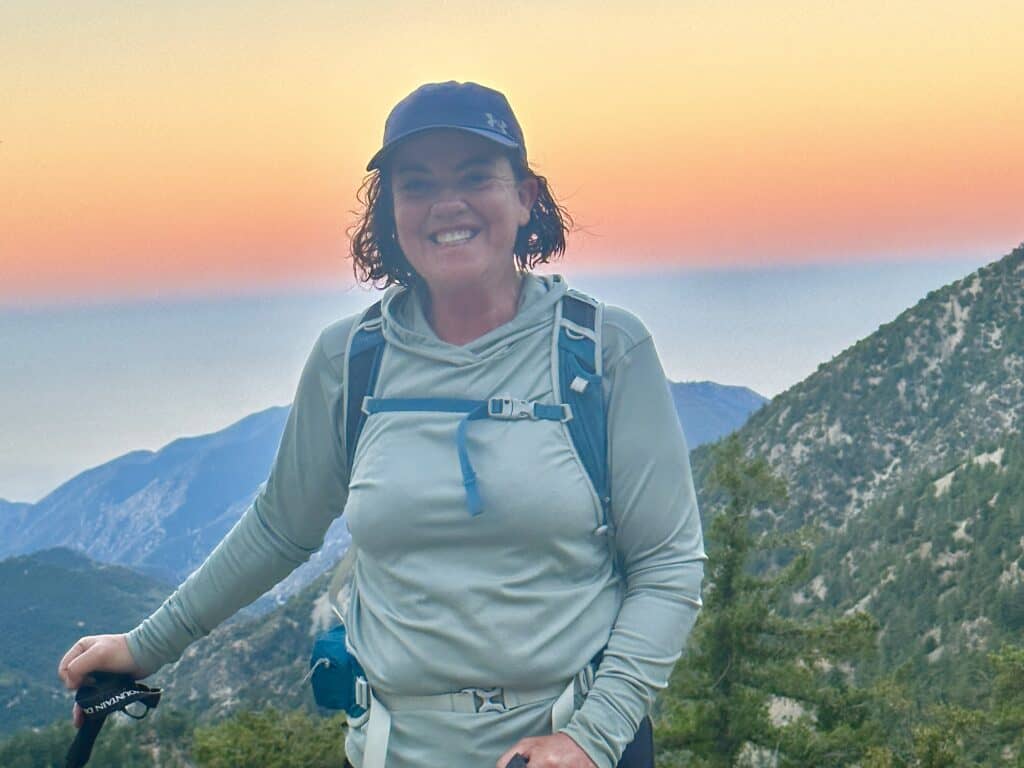
Beating the heat with an early start and taking rest stops are hot-weather hiking tips that can make or break a great hike.
Aim to begin your summer hike at first light, around 5 a.m. This early start takes advantage of the cooler morning air, allowing you to complete the majority of your hike before the midday heat peaks.
When hiking in extreme heat, it's advisable to take a substantial break under the shade during the midday hours. This peak heat period can be intense, and a rest can be a good strategy to mitigate the risk of heat exhaustion.
READ NEXT: The Essential Guide to Toileting in the Wild
Take frequent rest stops to hydrate and refuel with some of the best snacks for hiking in hot weather. These breaks are important both for your safety and a good time to check on other members of the group to see how they're doing. Plus it gives you an opportunity to fully enjoy your surroundings.
When hiking in hot and dry conditions, also watch for signs of wildfires. Stay informed about the fire warnings in the hiking area and prepare evacuation plans as a precaution.
Understanding Heat-Related Illnesses

And last but no means least, are the heat related illnesses. All of the above points help to avoid what could become a potentially dangerous or fatal situation.
According to backpacker.com, hikers are more likely to die from heat than cold. Excessive heat claimed more lives than cold in USA national parks in the past 17 years, with 76 deaths from hyperthermia and 46 from hypothermia.
When hiking in summer, it's important to understand heat-related illnesses. Conditions such as heat exhaustion and heat stroke must be taken seriously. Additionally, awareness of the less familiar yet equally critical condition of hyponatremia is essential. Recognising the signs and knowing how to respond can be lifesaving.
Heat exhaustion and heat stroke are two distinct conditions that can occur due to prolonged exposure to high temperatures, often during activities like hiking in hot weather.
READ NEXT: The Essential First Aid Kit for Hikers
Heat exhaustion and heat stroke are two distinct conditions that can occur due to prolonged exposure to high temperatures, often during activities like hiking in hot weather.
Heat Exhaustion
Heat exhaustion is the body's response to an excessive loss of water and salt, typically through sweating.
It is a precursor to heat stroke and can develop after several days of exposure to high temperatures and inadequate or unbalanced fluid replacement. Symptoms include heavy sweating, weakness, dizziness, nausea, headache, and a rapid heartbeat.
If you encounter these symptoms, it's important to move to a cooler place, drink water or sports drinks, rest, and cool off with wet cloths or cool showers.
Heat exhaustion can often be treated on the spot and doesn't always require medical attention unless symptoms persist.
Share the Knowledge!
If you know someone who’d benefit from this guide, spread the word!
Heat Stroke
Heat stroke is the most serious form of heat injury and is considered a medical emergency.
It occurs when the body's temperature regulation system is overwhelmed and stops functioning, leading to a rapid rise in core body temperature.
Symptoms are more severe and include a high body temperature (above 104°F or 40°C), an absence of sweating (with hot, red, or flushed dry skin), confusion, slurred speech, altered mental state, seizures, and possible loss of consciousness.
Immediate action is essential: call emergency services, move the person to a cooler spot, remove excess clothing, and apply cool water to the skin or use cold packs to lower their body temperature.
Time is of the essence with heat stroke—waiting for medical help to arrive without taking action can result in severe complications or even be fatal.
Hyponatremia
While heat exhaustion and heat stroke are widely recognised dangers when hiking in high temperatures, hyponatremia, a condition often caused by excessive water intake without adequate electrolyte replacement, is a less known but equally serious risk.
Hyponatremia is a condition that occurs when there is an abnormally low level of sodium in the bloodstream. While hiking in hot weather, as you drink water to stay hydrated, if you don't also replace the sodium lost through sweat, the sodium in your body can become diluted.
This imbalance can cause fluids to move into cells, leading to swelling—a dangerous situation, particularly when it affects the brain and other organs. Symptoms to watch for include confusion, headache, nausea, swelling, and in extreme cases, seizures.
To prevent hyponatremia, it's important to consume electrolyte-infused drinks or snacks that contain sodium during your hike. If symptoms suggest hyponatremia, seek immediate medical care.
Take-away – A proper balance of fluid and electrolyte intake is a crucial aspect of hiking in summer safely.
Pack Light, Pack Right – Free Interactive Checklists
No More Overpacking. No More Forgetting Essentials.
Our free interactive packing lists help you pack methodically and remember everything. Add notes, quantities, save or print, and share with hiking partners so everyone knows what’s covered and what they need. Works on any device.
Available for multi-day wilderness camping, hut-to-hut hikes, and inn-to-inn walks, with new lists added frequently.
Safe Summer Hiking
The recipe for a safe and rewarding hike in the warm months of May, June, and July hinges on careful preparation and informed action. Equip yourself with the knowledge to prevent heat-related illnesses like heat exhaustion, heat stroke, and hyponatremia. It's also important to prioritise proper hydration and sun protection.
Safe Hiking!
Share the Knowledge!
If you know someone who’d benefit from this guide, spread the word!
Enjoyed this post? – You Might also Like:
- Trail Food Essentials and Nutrition Plan
- The Essential Hiking First Aid Kit
- 5 Wooden Tent Platforms Essential Tips
- Toileting in the Wild – the Do's and Don'ts
- The 7 Principles of Leave No Trace
- Hiking the Rees Dart Track – Mt Aspiring National Park
- Hiking the Greenstone and Caples Tracks – an Alternative to The Routeburn Track
- The GR221 Mallorca – The Dry Stone Route
- Hiking The Tahoe Rim Trail – A Guide for Overseas Visitors
Frequently Asked Questions
What to wear hiking in summer?
Moisture-wicking fabrics are great as they help regulate your body temperature by pulling sweat away from your skin. Consider a sun hoodie with the UPF rating of 50+. Long sleeves which cover your limbs may sound counterintuitive, but with today's UPF rated fabrics, it offers you greater protection.
What socks to wear hiking in summer?
Merino Socks! Merino fibres can pull up sweat from your feet and transport it to the surface of the sock. Here, the moisture evaporates, creating a cooling effect. This wicking action not only helps in temperature regulation but also minimises dampness, keeping feet comfortable and reducing the risk of blisters as you hike under the summer sun.
How hot is too hot for hiking?
Hiking in temperatures around 87 degrees F (30C) or higher can elevate the danger of dehydration, heat exhaustion, and heat stroke. It's crucial to be attentive to your body's needs, seeking shaded rest areas frequently, staying hydrated with adequate water intake, and dressing in protective clothing while applying sunscreen to shield against the harsh sun.
Should you hike on a hot day?
Hitting the trails on a hot day can be enjoyable with the right fitness level and preparations. Make sure to carry plenty of water, wear breathable clothing, and start early to avoid the worst of the heat. But it's also okay to be cautious and opt for a cooler day, especially when temperatures soar. The beautiful scenery isn't going anywhere!
Should I wear shorts or pants hiking in summer?
In summer, wearing shorts allows your legs to breathe and cool down effectively, making them a comfortable choice for hiking. Just remember to apply sunscreen generously to your exposed skin to prevent sunburn, as your legs will be directly exposed to the sun's rays throughout your hike.
What not to eat before a hike?
Avoid sugary snacks and drinks before a hike, as they might seem like a quick energy fix but can lead to a rapid crash in your energy levels. Foods high in sugar may provide an immediate rush but fail to offer lasting fuel for your body, resulting in a quicker onset of fatigue during your hike.
Is peanut butter good for hiking?
Nut butter is an excellent choice for hiking due to its rich nutritional profile. Packed with protein, healthy fats, and calories, it serves as a satisfying and energy-packed snack on the trails. Beyond addressing sweet and salty cravings, nut butter fuels your body for sustained activity during your hiking adventures.
Should I have coffee before or after hike?
Coffee before or after a hike varies based on the individual. For some, a pre-hike coffee can enhance cognitive function and provide a burst of energy. However, others may find that post-hike coffee complements the winding down process. Assess how your body responds to coffee and tailor accordingly for optimal performance and recovery during hiking activities.
What are anti inflammatory hiking snacks
Anti-inflammatory snacks include dried fruits, renowned for their dense antioxidant properties, especially compared to their fresh versions. Select dark chocolate over milk chocolate for a healthier, option that's rich in flavonoids, which can help reduce inflammation. Adding blueberries, a potent source of antioxidants, to your breakfast before a hike can also help combat inflammation throughout your active day.
Should you drink water during a hike?
Hydrating before a hike helps prevent dehydration, maintaining your physical performance and cognitive function as your body loses fluids through sweat. Aim for about 16 to 20 ounces (approximately 0.5 liters) of water an hour before starting to ensure you’re adequately hydrated from the get-go.
Do people wear hiking boots in the summer?
For optimal breathability and comfort during dry hikes, select a pair of lightweight, non-waterproof hiking shoes made with mesh or perforated materials that ensure good air circulation.