

The Difference between USA and Australian Snakes and Snake Bite Management
Did you know there is a difference between USA and Australian snakes? There is – and more importantly, there is an absolute difference in snake bite management.
As hikers venturing into the wilderness, we need to be prepared to handle any emergency that comes our way. It's just as important to know the correct actions to take—and, perhaps more critically, the actions to avoid—in a crisis.
Snakes in the USA and Canada possess distinctly different venoms, each interacting uniquely with the human body. Treating a snakebite without proper knowledge of the specific venom involved could lead to severe consequences, including limb loss or even death.
So while Australians journey to North America to hike trails such as the Tahoe Rim Trail, or our North American friends are inspired by Australia's Larapinta Trail, knowing how to treat a different beast—figuratively speaking—is really important.
When I lived in Northern NSW, I would find an Eastern Brown Snake in my back garden several times a year. Researching and writing this article, has given me a greater understanding of snake venoms and how they affect our bodies if we are bitten. I hope this article does the same for you.
Let's get started!
In this Guide I will Cover:
- The Difference between USA and Australian Snakes
- Types of Snake Venom and Their Effects
- Treating Snake Bites Based on Venom Type
- Snake Bite Management
- How do I Avoid Snakes while Hiking?
- What do I do if I See a Snake?
A full list of inclusions can be found in the Table of Contents
The Difference between USA and Australian Snakes
In this article, we will concentrate mainly on venomous snakes. Most venomous snakes in Australia belong to the Elapidae family, while most venomous snakes in the USA belong to the Crotalinae family.
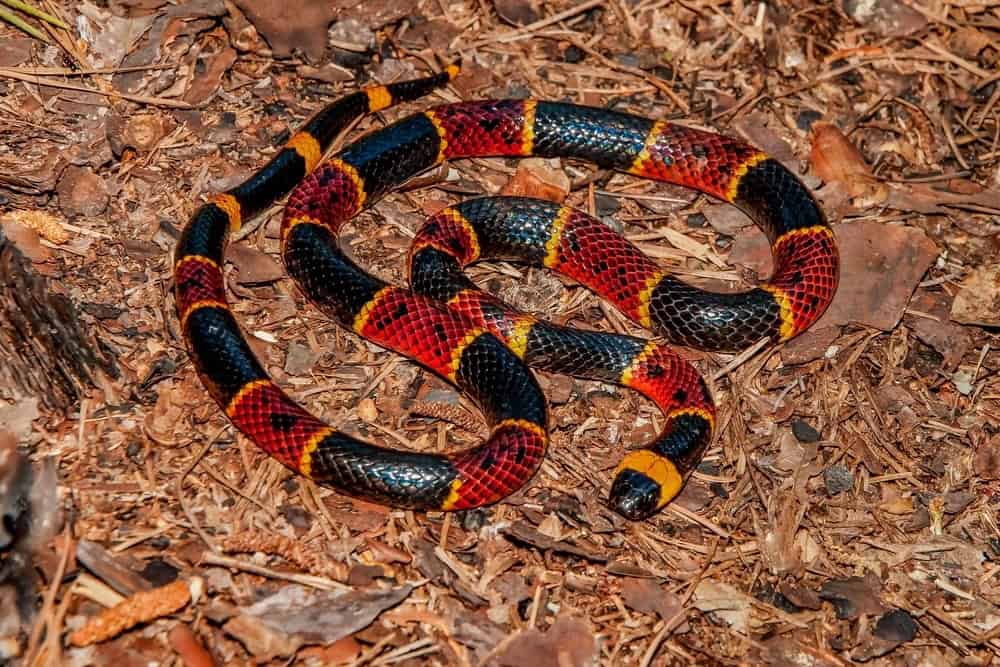
The exception in the USA is the coral snake. The coral snake is found in the southern states and is also a member of the Elapidae family, so bites from coral snakes would be managed as per Australian snake bites.
Australian Snakes
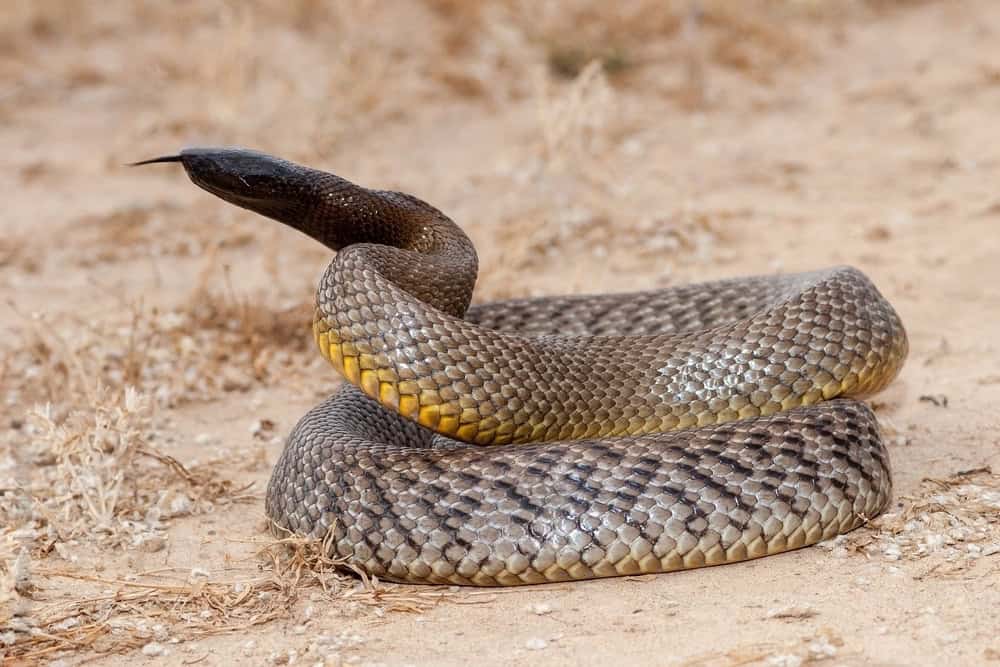
Australia is home to some of the world's most venomous snakes, including the inland taipan, eastern brown snake, and coastal taipan.
As members of the Elapidae family, Australian snake venom can be:
- neurotoxic (affecting the nervous system)
- cytotoxic (causing cell damage).
- myotoxic (affecting muscles)
- coagulotoxic (affecting blood clotting)
Because of this, Australian first aid emphasises the use of the Pressure Immobilisation Technique (PIT), which requires applying a wide, firm bandage over the entire limb, starting from the bite site, and then securing the limb with a splint to immobilise it.

Interested in
Hiking Safety?
We have a dedicated Hiking Health, Safety and Hygiene Facebook group!
USA Snakes
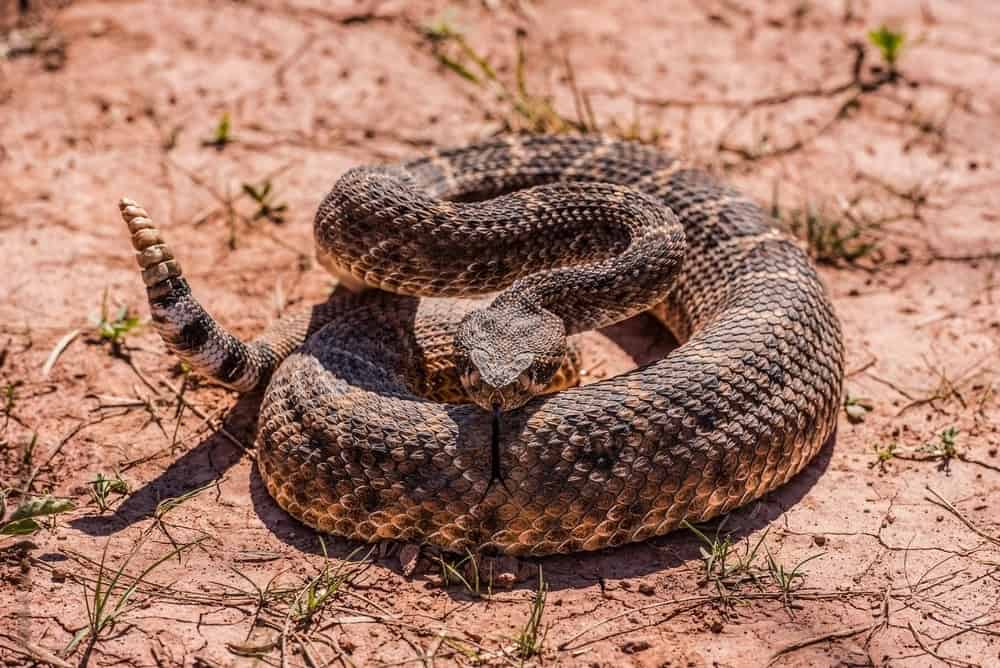
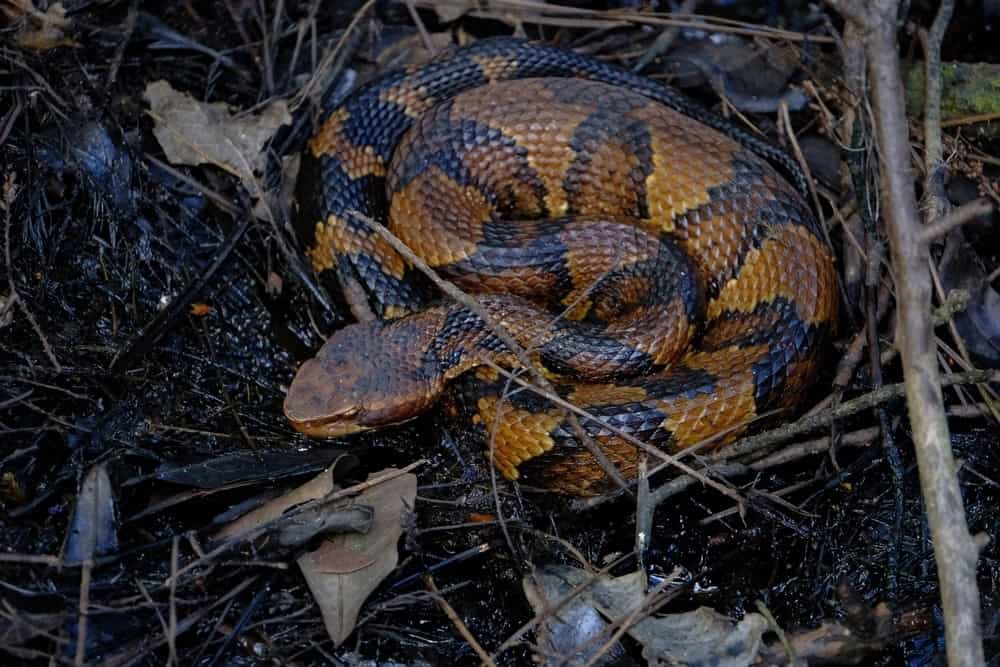
In the USA, the most common venomous snakes are pit vipers, a subfamily of Crotalinae snakes. These include rattlesnakes, copperheads, and cottonmouths.
Crotalinae snake venom is primarily hemotoxic, leading to tissue damage and disrupting the blood's clotting ability. Hemotoxic venom can cause significant tissue and systemic effects.
Note – we will use the American spelling for the term hemotoxic, as opposed to the Oxford spelling haemotoxic.
At the time of writing, the recommended response for pit viper bites, including rattlesnakes, copperheads, and cottonmouths, is to position the limb below heart level. Quickly accessing anti-venom treatment at a medical facility will be your primary action.
Types of Snake Venom and Their Effects
Snake venom can be classified into several categories based on the primary type of biological damage it causes. Understanding the difference in snake venoms is a start to understanding “why” we treat the snake bites so differently.
Below are detailed explanations of neurotoxic, myotoxic, coagulotoxic, cytotoxic, and hemotoxic venom, as well as their effects and management.
1. Neurotoxic Venom
Neurotoxic venom primarily affects the nervous system.
- Mechanism: This type of venom interrupts normal nerve signal transmission by interfering with either synaptic function at neuromuscular junctions or by blocking neurotransmitter release.
- Symptoms: Symptoms can include muscle paralysis, difficulty breathing, drooping eyelids, and loss of muscle control.
- First Aid: The Pressure Immobilisation Technique (PIT) to slow down the spread of neurotoxic venom. Immediate medical attention is required for anti-venom.
2. Myotoxic Venom
Myotoxic venom damages muscle tissue.
- Mechanism: This venom type causes direct damage to muscle cells, leading to muscle necrosis.
- Symptoms: Symptoms can include severe muscle pain, swelling, weakness, dark urine (indicative of muscle breakdown and myoglobin release), and kidney failure.
- First Aid: Similar to neurotoxic venom, the Pressure Immobilisation Technique (PIT) should be used to slow the spread of venom. Immediate medical intervention is necessary to manage complications like renal failure.
3. Coagulotoxic Venom
Coagulotoxic venom interferes with the normal clotting process of blood.
- Mechanism: It can either promote excessive clotting, leading to blockages and potential strokes or heart attacks, or prevent blood clotting, causing excessive bleeding.
- Symptoms: Symptoms can include systemic bleeding, bruising, nosebleeds, heavy menstruation, blood in urine or stools, and prolonged bleeding from wounds.
- First Aid: The use of the Pressure Immobilisation Technique (PIT) is used to slow the spread. Immediate medical attention is required for anti-venom treatment and to manage coagulation issues.

Share the Knowledge!
If you know someone who’d benefit from this guide, spread the word!
4. Cytotoxic Venom
Cytotoxic venom causes cell damage and tissue destruction at the site of the bite.
- Mechanism: This venom type disrupts cell membranes, leading to cell death and necrosis.
- Symptoms: Symptoms can include intense pain, swelling, blistering, and localised tissue death, potentially leading to secondary infections.
- First Aid:
- In Australia, the Pressure Immobilisation Technique (PIT) can help slow the spread of cytotoxic venom.
- In the USA, as cytotoxic venom can be part of a blend of venom types in pit vipers, immobilisation is recommended as Pressure Immobilisation Technique (PIT) can cause damage when hemotoxic venom is present.
5. Hemotoxic Venom
Hemotoxic venom primarily affects the blood and circulatory system.
- Mechanism: This venom type disrupts blood clotting and can cause direct damage to blood vessels, leading to internal bleeding and tissue destruction.
- Symptoms: Symptoms can include pain and swelling at the bite site, extensive bruising, haemorrhaging, and organ damage due to impaired blood flow.
- First Aid: Unlike the other venom types, the use of the Pressure Immobilisation Technique (PIT) is NOT Recommended for hemotoxic venom in the USA. Instead, immobilisation of the limb below heart level, avoiding movement, and seeking immediate medical attention is critical.

Types of Venom by Snake Species
Top 10 Venomous Snakes Australia
|
Inland Taipan (Fierce Snake): |
Neurotoxic |
|---|---|
|
Eastern Brown Snake: |
Neurotoxic, Coagulotoxic, Cytotoxic |
|
Western Brown Snake: |
Neurotoxic, Coagulotoxic. |
|
Mainland Tiger Snake: |
Neurotoxic, Coagulotoxic, Myotoxic |
|
Coastal Taipan: |
Neurotoxic, Myotoxic |
|
Common Death Adder: |
Neurotoxic |
|
Copperhead (Australian): |
Neurotoxic, Myotoxic |
|
Mulga Snake/King Brown Snake: |
Myotoxic |
|
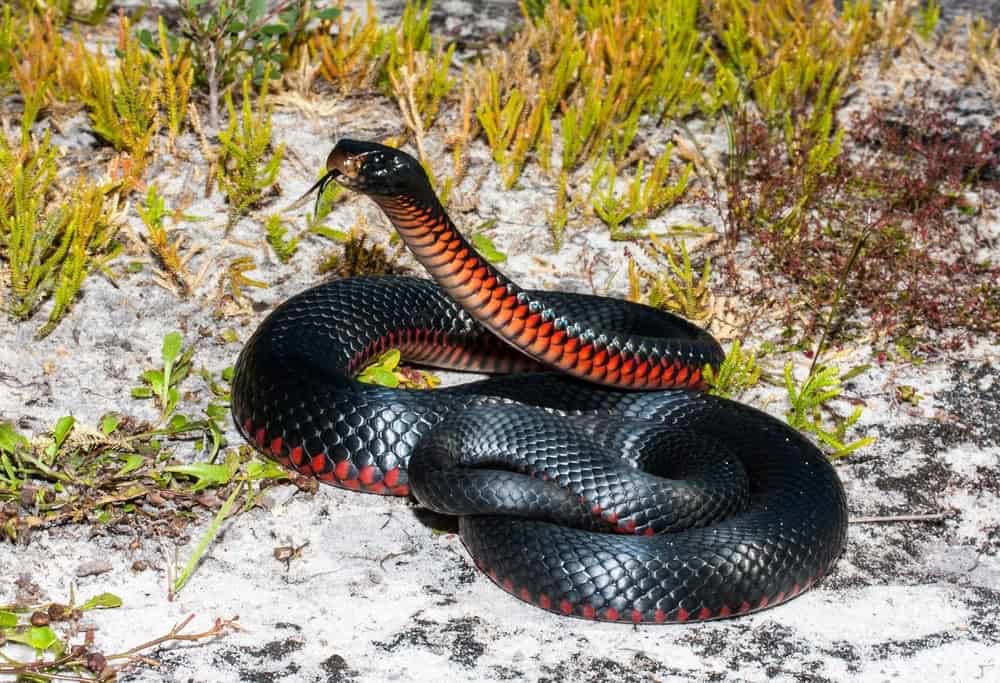
Red-bellied Black Snake: |
Cytotoxic, Myotoxic |
|
Small-scaled Snake/Variable Reed Snake: |
Coagulotropic, Myotoxic |
As well as this comprehensive Guide to The Difference between USA and Australian Snakes, you might also like:
First Aid Kits and Satellite Communication Devices
Toileting in the Wild – the Do's and Don'ts
What to Wear on a Hike and Guide to Performance Fabrics
Top 10 Venomous Snakes North America
|
Eastern Diamondback Rattlesnake: |
Primarily hemotoxic |
|---|---|
|
Western Diamondback Rattlesnake: |
Primarily hemotoxic |
|
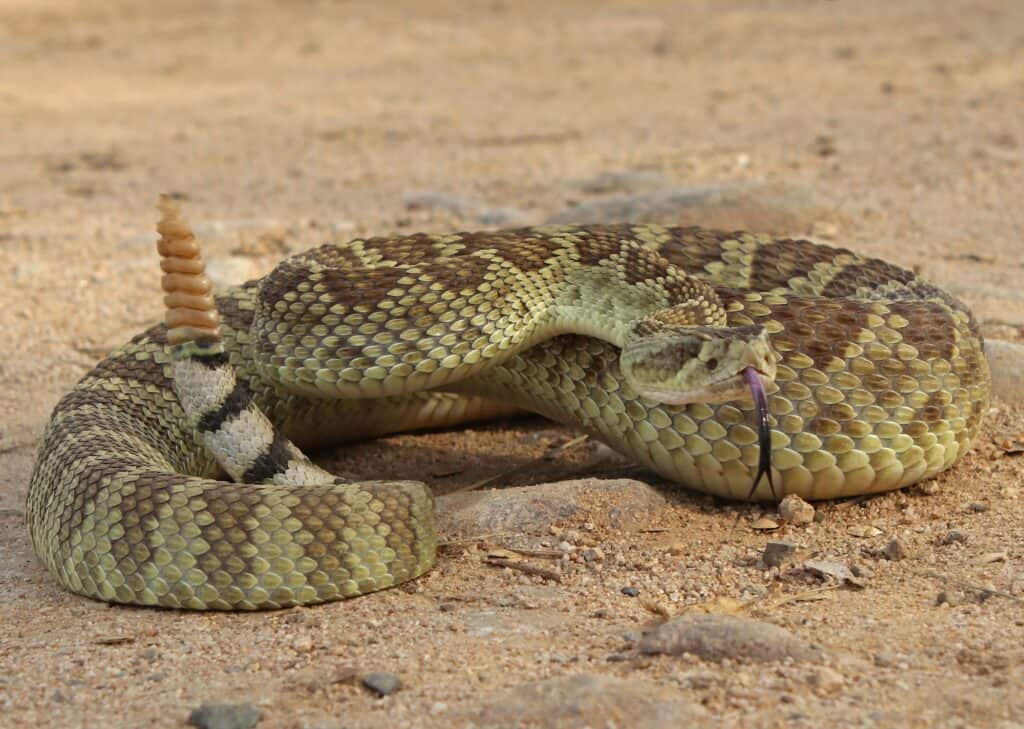
Mojave Rattlesnake: |
Neurotoxic (Mojave toxin) and hemotoxic |
|
Cottonmouth/Water Moccasin: |
Primarily hemotoxic, with some myotoxic components |
|
Copperhead: |
Primarily hemotoxic, with mild coagulotoxic and cytotoxic effects. |
|
Timber Rattlesnake: |
Primarily hemotoxic, with myotoxic components |
|
Eastern Coral Snake: |
Primarily neurotoxic |
|
Texas Coral Snake: |
Primarily neurotoxic |
|
Tiger Rattlesnake: |
Primarily hemotoxic, with some neurotoxic components |
|
Sidewinder: |
Primarily hemotoxic |
Please note that the categorisations above provide a broad overview. Snake venoms are intricate, comprising of a variety of toxins that produce diverse effects.
As well, a snake's venom can be influenced by several variables, including the snake's age, diet, and habitat.
These factors, alongside bite circumstances, victim's health, and the amount of venom injected, contribute to the variability of envenomation outcomes.
Treating Snake Bites Based on Venom Type
The differences in the first aid responses between the USA and Australia is dependent on the types of venom and their physiological effects.
If a snake in North America has venom that's a mix of both hemotoxic and another, the Pressure Immobilisation Technique (PIT) is NOT used.
This is because hemotoxic venom damages the area around the bite. Using PIT could make this damage worse by trapping the venom in one spot.
Neurotoxic and Coagulotoxic Venom (Australia)
The Pressure Immobilisation Technique (PIT) is used.
Neurotoxic Venom
Venoms that are neurotoxic primarily affect the nervous system. They contain toxins that can disrupt the way nerve cells communicate with muscles, which can lead to symptoms like muscle weakness, paralysis, and in severe cases, respiratory failure.
By applying firm pressure and immobilising the limb, PIT aims to slow the venom's movement from the bite site into the central circulation.
The goal is to delay the onset of serious neurological symptoms, such as paralysis, which gives the victim more time to reach medical assistance where anti-venom and respiratory care will be provided.

Pack Light, Pack Right – Free Interactive Checklists
No More Overpacking. No More Forgetting Essentials.
Our free interactive packing lists help you pack methodically and remember everything. Add notes, quantities, save or print, and share with hiking partners so everyone knows what’s covered and what they need. Works on any device.
Available for multi-day wilderness camping, hut-to-hut hikes, and inn-to-inn walks, with new lists added frequently.
Coagulotoxic Venom
This type of venom interferes with the blood's ability to clot, which can lead to uncontrolled bleeding both internally and externally.
Coagulotoxic venom can also cause a condition where initially the blood clots excessively, using up clotting factors, which is then followed by a risk of severe bleeding since the clotting factors are depleted.
By slowing the systemic spread of the venom, PIT helps to maintain the patient's condition at a manageable level until anti-venom can be administered and the effects of the venom can be treated in a medical facility.
The indirect effect of delaying the venom's impact is important in preventing complications that could endanger the patient's organs due to internal bleeding.

Myotoxic Venom (Australia)
Myotoxic venom primarily targets muscle tissue, causing destruction and degeneration of muscle cells. This can lead to severe pain, swelling, and potentially life-threatening complications such as kidney damage due to myoglobin (a muscle breakdown product) release.
The Pressure Immobilisation Technique (PIT) is used to:
- Contain Venom Locally: Using PIT restricts the venom to the area of the bite. This reduces the spread of the myotoxins to other body parts, which is vital in preventing widespread muscle damage.
- Prevent Renal Damage: By localising the venom, PIT helps to avert the toxins from reaching the kidneys. Myoglobin released from damaged muscle cells can cause acute kidney injury if it filters into the kidneys in large amounts.
Just like with neurotoxic and coagulotoxic venoms, the aim of PIT in the case of myotoxic venom is to buy the victim time until they can access medical treatment, including appropriate anti-venom and medical assistance to manage muscle damage and renal function.
Interested in
Hiking Safety?
We have a dedicated Hiking Health, Safety and Hygiene Facebook group!
Cytotoxic Venom (Both Regions)
Cytotoxic venom has a destructive effect on the cells in the vicinity of the bite. The severity of the local symptoms depends on the concentration and potency of the venom as well as the amount injected.
Rapid local swelling, bruising, blistering, and severe pain are common indications of cytotoxic venom. In extreme cases, significant tissue necrosis can occur.
Australia
The Pressure Immobilisation Technique (PIT) is recommended. Just as with neurotoxic and coagulotoxic venoms, applying pressure with a bandage and immobilising the limb is aimed at slowing down the venom's spread through the lymphatic system. This can prevent the venom from affecting the surrounding tissues too quickly and allows more time to get the bite victim to medical care.
USA
Because cytotoxic effects can be part of a blend of venom types in North American snakes, general limb immobilisation is advised instead of PIT. Immobilising the limb helps to reduce the spread of venom to other parts of the body, but unlike in Australia, pressure is not applied due to concerns about concentrating hemotoxic components in one area. Medical care should still be sought immediately to address any tissue damage and other systemic effects from the bite.
Do you know your First Aid? Do you have a First Aid Kit?
Read Next: The Essential First Aid Kit for Hikers
Hemotoxic Venom (USA)
Hemotoxic venoms primarily impact the circulatory system, leading to issues like disrupted blood clotting, bleeding, and blood vessel damage.
The use of the Pressure Immobilisation Technique (PIT) is NOT recommended in these cases because it may exacerbate tissue damage due to the venom's concentration in one area. Instead:
- Immobilise the affected limb, but ensure it is kept below the heart to discourage venom movement through the bloodstream.
- Avoid any constrictions or bandages that apply pressure, as they can cause more harm.
- Priority should be on getting the victim medical attention as quickly as possible, where anti-venom can be administered and supportive care can be given to manage symptoms like swelling and pain.
Pack Light, Pack Right – Free Interactive Checklists
No More Overpacking. No More Forgetting Essentials.
Our free interactive packing lists help you pack methodically and remember everything. Add notes, quantities, save or print, and share with hiking partners so everyone knows what’s covered and what they need. Works on any device.
Available for multi-day wilderness camping, hut-to-hut hikes, and inn-to-inn walks, with new lists added frequently.
Snake Bite Management
As we have looked at above, in the USA and Australia, we primarily have two different ways of treating snake bites – based on the differences in venom. Let's take a look at these two variations in detail.
The Pressure Immobilisation Technique (PIT)
The Pressure Immobilisation Technique (PIT) is a first aid procedure used to treat the bites of certain types of venomous snakes, as well as stings from some venomous insects and marine animals.
The technique is designed to slow the spread of venom through the lymphatic system, delaying it reaching vital organs.
Pressure Immobilisation Technique (PIT) is particularly recommended for envenomations by neurotoxic and coagulotoxic venom, such as that of many Australian elapid snakes.
Here's a detailed process of applying the Pressure Immobilisation Technique (PIT):
Materials Needed:
- An elasticized roller bandage, ideally about 10-15 cm wide.
- A rigid splint, such as a stick or commercially available splint.
- Marker (optional, to mark the bite site).
Steps:
- Identification: If possible, swiftly identify the snake type. Most venomous snakes in Australia are elapids, each with its own unique venom composition.
- Calm and Reassure: Keep the patient calm and still. Movement can increase the spread of venom through the lymphatic system.
- Bandage Application:
- Begin bandaging over the bite site as soon as possible. If you can, mark the site of the bite on the bandage with a pen.
- Apply the bandage with enough pressure to compress the soft tissue, but not so much that it impedes blood flow. The tension should be similar to how one would bandage a sprained ankle.
- Start at the extremity (fingers or toes) of the bitten limb and wrap the bandage upwards, covering the entire limb. Each turn of the bandage should overlap the previous one by about half the bandage width.
- Splint Application:
- Once the limb is bandaged, apply a splint to immobilise the limb. The splint should extend beyond the joints above and below the bite.
- Secure the splint with additional bandage material or any other means.
- Immobilisation:
- The patient should not move the affected limb and should avoid walking if the bite is on the leg. Even slight use of muscles in the limb can promote venom spread.
- Carry the patient if evacuation is required and ensure that they remain as immobile as possible during transport.
- Mark Time of Bite: If possible, note the time of the bite and when the bandage was applied. This information can be vital for medical personnel in assessing the progression of envenomation and planning treatment.
READ NEXT: First Aid Kit for Hikers & Satellite Communications
Benefits of PIT:
- Slows Venom Dispersal: The pressure from the bandage and the immobilisation of the limb slows the movement of venom through the lymphatic system, which moves only when the muscles contract.
- Buys Time: By delaying the spread of the venom, PIT can buy time for the victim to reach medical care, which can be life-saving, especially in remote locations.
- Specific Venom Treatment: PIT is especially effective for envenomations by snakes whose toxins impact the nervous system or disrupt the blood-clotting process.”
Management of Pit Viper (Crotalinae) Snake Bites
Pit viper bites, require a different approach from the Pressure Immobilisation Technique (PIT) method used for many Australian snake bites.
Pit vipers include rattlesnakes, copperheads, and cottonmouths/water moccasins.
Immediate first aid for these bites focuses on reducing the spread of the hemotoxic venom, which targets blood cells and tissues, and on getting the victim to a medical facility as quickly as possible.
Materials Needed:
- Clean bandages or cloths.
- A splint (optional, for immobilising the limb).
Steps:
- Safety First: Ensure you and the victim are at a safe distance from the snake.
- Immobilise the Affected Area: Keep the affected limb at below heart level to slow the spread of venom. Avoid moving the limb as movement will increase venom absorption.
- Clean and Bandage: Gently wash the bite and then cover it with a clean, dry dressing.
- Immobilise the Limb: If a splint (long stick) is available, apply it to the limb to reduce movement. Make sure you do not bind it tightly, as this may cut off blood flow or increase the concentration of venom in one area.
- Remove Constricting Items: Take off jewelry or tight clothing near the bite area before swelling starts.
- Stay Calm and Still: Encourage the victim to stay calm and minimise movement, as an increased heart rate will spread the venom faster.
- Do Not Apply Cold: Contrary to popular belief, do not use ice or a cold compress, as this can further damage the tissue.
- Do Not Cut or Suck the Wound: This can increase tissue damage and the risk of infection.
- Evacuate and Seek Medical Help: Transport the victim to a medical facility as soon as possible. Timing is critical.
- Monitor the Victim: While waiting for emergency assistance, monitor the victim's vital signs — pulse, breathing rate, and any changes in skin colour or temperature.
Share the Knowledge!
If you know someone who’d benefit from this guide, spread the word!
Benefits of this First Aid Method:
- Reduces Further Venom Spread: Keeping the limb at below heart level and limiting movement prevents venom from circulating rapidly through the body.
- Prevents Infection: Properly cleaning the bite area and applying a clean bandage reduces the risk of infection, which can be a major complication after a snakebite.
The most critical step following a pit viper bite is to get to a medical facility promptly for treatment. Anti-venom is the most effective treatment for pit viper envenomation and needs to be administered as soon as possible.
These methods are correct at the time of writing. Always refer to the latest local guidelines and wilderness first aid practices, as procedures may vary based on the region and the most current medical standards.
How to Avoid Snakes while Hiking
Even though you now know what to do when bitten by a snake, avoiding snakes is high on hikers' minds. However, you are in their territory, and they are about – especially in Australia. Snakes in Australia are like bears in the USA. They are there, and we just try and respect them.
I do understand that many people have a fear of snakes. I actually have a fear of birds, which seems incredibly lame compared to a venomous snake that can kill you!
So here are a few tips on how to avoid snakes when hiking. Just know that it takes a lot of energy for a snake to bite. Realistically, snakes do not want to waste energy or venom on an unnecessary bite.
Stay on Cleared Paths: Snakes often lurk in underbrush, tall grasses, or between rocks and logs. Sticking to well-used trails reduces the odds of startling a snake and puts you where snakes are less likely to be.
Look Before You Step or Reach: Before stepping over logs, reaching into bushy areas, or putting your hand into rock crevices, inspect carefully. Use a hiking pole to rustle bushes ahead of you, as the vibration will typically encourage snakes to move away.


Be Aware of a Snake's Daily Patterns: Snakes are cold-blooded and often come out to bask in the sun during cooler parts of the day. Early morning and late afternoon are peak times for snake activity, so be especially vigilant during those times.
Make Noise: Most snakes want to avoid confrontation. Making noise while you hike, such as talking or heavy footsteps, can alert snakes to your presence, giving them time to slither away.
Wear Protective Clothing: Hiking boots, long, loose pants, or snake gaiters provide a barrier between you and potential bites.
Stay Alert in Warm Weather: Snakes become more active in warm weather, so be alert, especially in known snake habitats.
Avoid Disturbing the Wildlife: Never prod or disturb a snake if you see one. Respect its space and observe from a distance.

What to Do if You Encounter a Snake
Encountering a snake on the trail can be unsettling, but it's a situation hikers in Australia or USA may face.
When you come across a snake while hiking, the most effective measure is to remain composed and respectful of the snake’s space. Here’s what to do:
- Stop and Stay Calm: As soon as you spot a snake, stop. Avoid abrupt movements that might threaten the snake and provoke a defensive response.
- Keep Your Distance: Stand back at least a few feet. Most snakes have a strike range of less than half of their body length, so giving them room usually puts you out of harm's way.
- Slowly Retreat: Carefully back away to a safe distance, then detour around the snake, giving it a wide berth. Snakes rarely chase people; they just want to feel safe.
- Do Not Disturb: Never attempt to poke the snake with a stick, throw rocks at it, or try to move it.
- Wait it Out: If the snake doesn’t move, be patient. It's likely just as keen to avoid an encounter as you are. Eventually, it will slither off the trail.
- Alert Fellow Hikers: If it’s safe to do so, alert others on the trail about the snake's presence from a secure distance. Share its location without causing panic.
- Continue Mindfully: Once you’ve passed the snake, keep an eye out for any others as you proceed, especially in areas known for snake activity.
- Educate Yourself: Familiarize yourself with the types of snakes you could encounter in your hiking region. Knowing which are venomous and which are harmless is just good practice.
Remember, snakes are not out to harm hikers and will usually only bite if they feel threatened.
Do you know your First Aid? Do you have a First Aid Kit?
Read Next: The Essential First Aid Kit for Hikers
Trail Wisdom on Venomous Snake Encounters
Navigating the wilderness comes with its fair share of challenges, with encounters with the local wildlife being part of the adventure—sometimes including snakes.
We have looked at the significant differences between the venomous snakes inhabiting Australia and the USA and how these differences necessitate distinct approaches to snakebite management.
Understanding these variances is really important, as it provides hikers and outdoor enthusiasts with potentially life-saving knowledge.
The goal of this exercise has not been to instil fear but to empower you with the knowledge of how to react effectively in the rare case of a venomous snakebite, whether at home or abroad. By respecting these remarkable creatures and their habitats, taking precautions to avoid encounters, and being prepared for emergencies, we can safely enjoy the great outdoors.
Featured Snakes and Their Taxonomy
- Coastal Taipan (Oxyuranus scutellatus)
- Common Death Adder (Acanthophis antarcticus)
- Copperhead (Agkistrodon contortrix) – North America
- Copperhead (Austrelaps spp.) – Australia
- Cottonmouth/Water Moccasin (Agkistrodon piscivorus)
- Eastern Brown Snake (Pseudonaja textilis)
- Eastern Coral Snake (Micrurus fulvius)
- Eastern Diamondback Rattlesnake (Crotalus adamanteus)
- Inland Taipan (Oxyuranus microlepidotus)
- Mainland Tiger Snake (Notechis scutatus)
- Mojave Rattlesnake (Crotalus scutulatus)
- Mulga Snake/King Brown Snake (Pseudechis australis)
- Red-bellied Black Snake (Pseudechis porphyriacus)
- Sidewinder (Crotalus cerastes)
- Small-scaled Snake/Variable Reed Snake (Tropidechis carinatus)
- Texas Coral Snake (Micrurus tener)
- Tiger Rattlesnake (Crotalus tigris)
- Tiger Snake (Notechis scutatus)
- Timber Rattlesnake (Crotalus horridus)
- Western Brown Snake (Pseudonaja nuchalis)
- Western Diamondback Rattlesnake (Crotalus atrox)
Share the Knowledge!
If you know someone who’d benefit from this guide, spread the word!
Enjoyed this post? – You Might also Like:
- Trail Food Essentials and Nutrition Plan
- The Essential Hiking First Aid Kit
- 5 Wooden Tent Platforms Essential Tips
- Hiking in Summer – A Guide to Beat the Heat on the Trails
- The 7 Principles of Leave No Trace
- Hiking the Rees Dart Track – Mt Aspiring National Park
- Hiking the Greenstone and Caples Tracks – an Alternative to The Routeburn Track
- The GR221 Mallorca – The Dry Stone Route
- Hiking The Tahoe Rim Trail – A Guide for Overseas Visitors
Frequently Asked Questions
How to tell the difference between venomous and non venomous snakes in Australia?
In Australia, venomous snakes often have more angular heads, distinct necks, and pupils that are shaped like slits. Non-venomous snakes tend to have round pupils and less distinct head shapes. However, these are not foolproof indicators and it's safest to assume any snake could be venomous and keep a safe distance.
What are the 4 poisonous snakes that are native to the United States?
In the U.S., four notable venomous snakes are indigenous: Rattlesnakes, with species like the Eastern Diamondback; Copperheads (Agkistrodon contortrix); Cottonmouths, also known as Water Moccasins (Agkistrodon piscivorus); and Coral Snakes (Micrurus species). These snakes are equipped with venom that necessitates immediate medical care in the event of a bite.
What is the only US state without poisonous snakes?
The only U.S. state without naturally occurring venomous snakes is Alaska. Due to its cold climate, conditions are not favorable for snakes, which are ectothermic and rely on external heat sources to regulate their body temperature. Consequently, no native venomous snakes have been able to establish populations in Alaska's harsh environment.
Which bite is worse, copperhead or rattlesnake?
Rattlesnake bites are generally considered more severe than copperhead bites. Rattlesnakes typically have a larger amount of potent hemotoxic venom which causes more damage to tissues and affect the circulatory system. Copperhead venom is less toxic, bites often result in minimal tissue damage, and fatalities are rare. Both bites require immediate medical attention to manage the symptoms and mitigate complications.
Can you survive a rattlesnake bite without treatment?
Surviving a rattlesnake bite without treatment is uncertain and highly dangerous. Factors like venom amount, bite location, victim’s health, and immediate reactions influence survival. However, severe complications and death can occur. Immediate medical treatment vastly improves survival chances, and it is critical to seek professional help as quickly as possible. Always consider a rattlesnake bite as a medical emergency.
Are snakes in Australia more dangerous than in the USA?
Australian snakes are considered more dangerous than those in the USA due to highly potent venoms. Species like the inland taipan and eastern brown snake have fast-acting toxins that can cause serious harm. While the USA has venomous snakes, such as rattlesnakes, the overall venom toxicity of Australian snakes raises the stakes for rapid and severe medical emergencies if bitten.
Why don't you put ice on a snake bite?
You should not use ice on a snake bite because it can impair circulation and increase tissue damage near the bite. Ice may also concentrate the venom, intensifying its effects, rather than neutralizing it. The correct action is to keep the bite still and seek immediate medical care, where proper treatment, including antivenom, can be administered.
What is the Pressure Immobilisation Technique PIT used for?
The Pressure Immobilisation Technique (PIT) is a first aid procedure for managing bites from snakes with neurotoxic venom, chiefly in Australia. It involves wrapping the affected limb with a pressure bandage and immobilising it with a splint to slow the spread of venom to the body, providing more time to obtain medical help and anti-venom.
Why is Immobilisation Important in First Aid?
Immobilisation in first aid is important as it prevents further injury, reduces pain, and can control bleeding. With snake bites, it slows venom spread, providing valuable time for treatment. It's also essential to stabilise spinal injuries, minimising the risk of paralysis. Proper immobilisation can be a defining factor in patient outcomes, making it a cornerstone of emergency response.
What are 3 things you should not do for a venomous snake bite?
After a venomous snake bite, do not use a tourniquet or try to suck out the venom as these methods can cause more harm. Also, avoid applying ice or heat, which can worsen the injury. Instead, remain calm, immobilize the affected area, and seek professional medical help promptly for the best chance of recovery.