

The West Highland Way Packing List – For All Seasons
Scotland – Four seasons in one day, and then some! So what does your West Highland Way packing list actually look like? The reality is, you need to be prepared for all seasons, now matter what month.
Rain, wind, sunshine, and even the odd snow patch can appear on this trail, so your kit needs to cover all bases. This West Highland Way gear list is written for hikers going inn-to-inn, but the clothing items apply to campers as well. If you’re carrying a tent, stove and sleep system, head over to my full camping gear list for those extra items.
We’ll cover the clothing and hiking gear that work best for Scotland’s unpredictable conditions, plus tips for keeping your pack light. Everything you need, and options for personal choice.
Let's get into it!

This article may contain affiliate links. If you make a purchase using one of these links, we may receive compensation at no extra cost to you. See our Disclosure Policy for more information.
Pack Size and Weight
I'm going to start with pack size and weight, not because it’s my preferred order, but because it’s the question I see most often in hiking groups: “What size pack should I take or buy?” or “Is 55L going to be enough?”
As a professional hiker, I have a number of packs, and which I carry depends on the length of the trip and whether I’m camping, walking inn to inn, or heading out for a day hike. For anyone kitting themselves out for the first time, or upgrading old gear, choosing the right pack is an important step.
Note – If you’re staying in pods or bunkhouses, you’ll also need a sleeping bag or at least a liner. I often use a sleeping bag liner on its own in hot weather when a bag is too warm. It’s light to carry and keeps your sleeping bag clean. So keep that in mind when deciding on volume.

Free West Highland Way Packing List
Pack light, stay organised, and remember every essential for Scotland’s most famous long-distance trail. Add notes, save or print, and share with hiking partners. Works on any device.
Pack Weight
OK, so back to pack weight and size. 7kg (about 15lb) base weight is your sweet spot. What is a base weight? This is your pack weight without food, water, or gas, which are all variables. You will be carrying water and as 1L equals 1kg (2.2lb), your weight will shift depending on how much you choose to carry.
As well as water, you will have snacks and lunch for the day. Most inn-to-inn hikers will not carry gas – however I do recommend carrying a mini Jetboil to make a cuppa for during breaks. I'll go into that later on in the Food and Snack Breaks section.


Pack Size
So what about pack size? I tend to carry light and lean, so my packs are on the small side. My recommedation for pack size hiking the west highland way is 30-40L . Anything more, and you are carrying too much. I use and recommend the Gossamer Gear Gorilla 50L. Which is in fact 38L with an extra 12L of pockets – excellent for holding wet weather gear, or camp shoes. If you are unable to find the Gossamer Gear Gorilla in your region, I also recommend the Osprey Eja 38, another super lightweight option, and extremely comfortable.


Footwear
Next up is footwear, a topic that comes up in hiking groups almost as often as pack size and weight. I use either hiking boots and trail runners. Whichever footwear I choose for a trail is dependent on the terrain and weather. Here's a breakdown of the main differences:
Hiking Boots
- Ankle support. The higher cut of boots offers more stability on uneven ground, helping protect against rolled ankles on rocky paths or rutted tracks.
- Weather protection. Boots are warmer and more resistant to wind and rain, which can make a big difference if the WHW turns cold or stormy.
- Water resistance vs drying. Boots keep water out better than trail runners in steady rain or through wet grass. But once water gets in (deep puddle, flooded boot), they stay wet for much longer.
- Lug depth. Hiking boots generally have deeper, chunkier lugs (the raised rubber pattern on the sole that give grip), which means better traction on mud, slick ground, or steep sections.


Trail Runners
- Quick drain and dry. You can walk straight through puddles and shallow stream crossings and they’ll usually dry again in about 30 minutes while you hike.
- No bathtub effect. Breathable mesh lets water escape instead of trapping it inside like many waterproof boots once they’ve been flooded.
- More responsive cushioning. Softer midsoles absorb shock nicely on long descents, easing stress on knees and joints
- Lug design. Trail runners have smaller, shallower lugs (the raised rubber pattern on the sole that give grip) compared with the deeper tread on hiking boots. This means they handle mud and wet ground reasonably well, but won’t bite in as firmly as boots on slick or steep terrain.
The West Highland Way doesn’t have streams or rivers to ford, but it can get wet. It isn’t a technical walk, though sure-footedness is needed on uneven paths and old roads such as the Parliamentary Road.
Whether you choose boots or trail runners is purely a personal choice. If you’re considering swapping from hiking boots to trail runners, the WHW is an excellent trail to make that transition.

Nae Need to Be Shy, Like a Haggis in July
Share this post with your hiking crew — or anyone planning a Scottish adventure!
Blister Protection
This is a good time to talk about blister prevention. I’ve written a great post on blister prevention and management, but here’s what I’d keep in mind for the West Highland Way:
- Make sure your footwear is properly broken in. This means that you can walk for several hours with no pain or tightness. And make sure you train with the same pack and load weight you’ll be carrying on the trail. The weight you carry will increase the pressure on your foot.
- Cover hot spots or areas prone to rubbing with moleskin, RockTape, or hikers’ wool to reduce the chance of blisters.
- Use good-quality merino socks that wick moisture away. Many cheaper “merino” socks are mostly synthetic and can do more harm than good.
- Consider sock liners, which add a thin extra layer inside your main socks. They reduce friction by allowing the liner and outer sock to move against each other rather than against your skin.


Scotland Wet Weather Gear
When I hiked the West Highland Way, we had 5 days of scorching sunshine and 3 days of wind and rain. The weather forecast was for fine weather for the duration of the hike. Regardless of weather forecasts, one should always pack a waterproof jacket at the very least.
When choosing a waterproof jacket, a couple of things are important. Firstly, the level at which the jacket is waterproof .
Waterproofness is usually measured in millimetres (mm) using what’s called a hydrostatic head test. A column of water is pressed against the fabric until it starts to leak, and the higher the number, the more water pressure the fabric can resist.
- 5,000 mm – Basic water resistance. Fine for light rain or drizzle but won’t hold up long in heavy Scottish downpours.
- 10,000 mm – Mid-range waterproof. Good for steady rain and a few hours outside, but under prolonged wet weather, you’ll start to feel damp.
- 15,000–20,000 mm – High waterproof protection. Handles full-day rain, strong wind, and the kind of sideways showers Scotland is famous for.
- 20,000 mm+ – Professional-grade storm gear. Overkill for most hikers, unless you’re in alpine or expedition conditions.


Breathability Trade-Off
The higher the waterproof rating, the less breathable the jacket tends to be. That’s why membranes like Gore-Tex, eVent, or Pertex Shield are popular as they balance waterproofing with letting sweat vapour escape.
Why Not an Insulated Waterproof Jacket?
It’s tempting to buy a heavier waterproof jacket with built-in insulation, thinking it will keep you warm and dry in one go. The problem is, once you start hiking, you’ll sweat. An insulated waterproof will trap that moisture inside, and before long you’re damp on the inside and chilled as soon as you stop moving.
Layering works better. A lightweight, breathable waterproof shell keeps the rain out, while separate insulating layers (like a fleece) can be added or removed depending on the conditions. This way, you can stay dry while hiking, then pull on warmth when you take a break. It’s a system that prevents overheating, manages sweat, and keeps you far more comfortable on a multi-day walk like the West Highland Way.


Additional Waterproof Items
Unless it’s very cold, I usually only waterproof my top half. I wear ultralight, quick-drying hiking pants that I don’t mind getting wet, and I prioritise keeping my upper body warm and dry with my Patagonia Torrentshell jacket (simply the best!).
That said, I do carry rain pants or a rain skirt which I use on occasion. Many would prefer to keep all of their body dry and this is totally understandable.
A pair of waterproof gloves keeps your hands warm and functional in heavy rain, and waterproof socks are excellent with both boots and trail runners if you’re hiking through prolonged wet conditions, especially in boggy areas.
Pack covers are another option. Many packs, especially fabric ones, come with a built-in cover that tucks into a pocket at the base. These are less common on modern lightweight packs made from fabrics like Robic or Dyneema, which are already highly water resistant and dry quickly.
Personally, I use a large pack liner inside my pack, with everything enclosed in its own dry bag. For extra security, some hikers combine this with a pack cover. Pack Covers are especially popular in Europe and the UK, while becoming less common in the USA or Australia.
Another item you may consider is a hiking rain poncho, which has a bubble in the back to allow the poncho to also drape over your pack. Not my thing, but I have seen them on the trail.


Day Hiking Gear
Now that we’ve covered the big three, let’s turn our attention to what to actually wear on the trail. If you’re hiking inn-to-inn, you have the advantage of being able to hand wash your clothing each night, and you’ll be carrying less overall, which means you can afford to take duplicates of the items worn closest to the skin.
Whether I’m hiking inn-to-inn or camping, I always pack three pairs of socks and three pairs of underwear, washing one and rotating daily. In Scotland’s damp climate, socks in particular may take more than a day to dry, so a three-pair system ensures you’ll always have something fresh to wear. Most accommodation on the West Highland Way has either a bathroom rail or a radiator in the bedroom, so with a three-pair rotation you’ll always have something ready to wear, even if drying takes longer.
- 1–2 quick-dry hiking shirts
- OR a hiking T-shirt (long sleeved or short sleeved)
- OR a sun hoodie
- 1 midlayer (e.g. fleece)
- 1 pair of quick-dry hiking pants or leggings
- Optional: hiking shorts (weather-dependent)
- 3 pairs of hiking socks (merino recommended)
- 3 pairs of underwear (quick drying)
- 1 sports bra
One item that is essential between the months of mid-May and mid-September is a mosquito net (or midge net). The midges are fierce!


Sun Protection
The sun in the Scotland Highlands can have a high UV rating. I'm an advocate for sun protection, which is probably why this topic has it's own section. But the bottom line is, it doesn't take much to protect your skin, and these are the items I recommend.
- Sun Hoodie – Look for a high UPF rating of 50. Ultra Lightweight Sun Hoodies protect your neck and ears, along with the backs of your hands. When worn with a cap, they provide the ultimate UV Protection.
- Sunglasses – Polarised sunglasses reduce glare and protect your eyesight from UV damage. My favourite are Ombraz, which are actually armless and perfect for hiking.
- Sun Gloves – Your hands can be highly exposed to UV rays when using poles. I almost never hike without my sun gloves.
- Sunscreen Stick – A SPF 50 sunscreen will give you the best protection. Sticks also reduce the chance of spills or leakage throughout your pack – spoken from experience!
- SPF 50 Lip Balm – A good quality lip balm will also protect your lips against windburn. Lip gloss is not lip protection – just saying.
- Face Buff – A face or neck buff has many uses – to protect against sun or wind, an eyemask at night, and a sweat band or ear muff, when worn as a head band.
- Cap – A cap pairs perfectly with a Sun Hoodie, but if worn alone, it leaves your neck and ears vulnerable to sun exposure.
- Wide Brimmed Hat – Make sure your lightweight hat has a brim wide enough to provide ample shade for your face, including your neck and ears.
In my book Hike it Right: Health, Safety and Hygiene on the Trail (it's free!), I go into this topic in depth.


Hiking Poles
Yes take them. No seriously, this is why I recommend hiking poles or trekking poles or whatever you like to call them:
Hiking poles give you a third and fourth point of contact on the trail, and this naturally widens your base of support and improves stability. When you walk downhill, gravity pushes your body weight forward with every step. Without poles, all that force is absorbed by your joints – mainly the knees and hips. Over time, the repetitive pounding can cause pain or strain, especially if you’re carrying a pack.
Poles change this by acting like extra legs. When you plant them, some of the impact is transferred through your arms and shoulders instead of going straight into your lower joints. The result is less pressure on knees and hips, which lowers the chance of overuse injuries like tendonitis or joint pain.
Also, by shifting some of the workload to your arms, shoulders, and core, poles help spread the effort more evenly across your body. This means your legs don’t tire as quickly, and you can keep a steadier pace over long days.
Yes to Hiking Poles.


Evening Wear
Slipping into something comfortable after a long day of hiking is just simply bliss. However, keep it simple – because the bottom lime is, you have a to carry it. Be like Marie Kondo when you are making the decision of what to take and what not to take. Every bit of clothing has to earn it's place in your back pack
If you're heading off to the pub or the local hotel restaurant for dinner, just remember, most others will have come off the trail, and to be honest, it doesn't matter what you look like. Think of a “Minmalisaitc Smart Casual Comfortable Capsule Wardrobe”.
If you can manage to forgo sleep wear or at least bring the bare minimum. I always sleep in my underwear and a spare hiking t-shirt if sleeping in doors. Since Covid and the era of staying indoors for days, loungewear has evolved into something that can be worn as pyjamas or just that, lounging around.
There is no right or wrong here and it really comes down to personal choice. But try to keep it at 1 pair of pants and 1-2 tops. Use your fleece for extra warmth if needed, and use a pair of sandals or crocs that can also be used for river crossings, or washed after using shared bathrooms.
Or, if you want to go upmarket, then a nice lightweight pair of recovery shoes might just be the ticket. Alternatively, if its cold, some nice warm hut slippers.

Tell the Clan About This
One for the group chat, trust us.
Gear for Warmth
So we’ve covered day hiking clothes, sun protection, camp clothes, and footwear. You’ll also need warm clothing. Just be aware that hiking in your warm layers is counterproductive, You’ll quickly build up sweat, and once you stop, that moisture will chill you. It’s better to keep warm clothes in your pack and put them on during breaks or once you finish hiking for the day.
And this includes a beanie. While you’re hiking, your body generates plenty of heat and usually doesn’t need extra insulation on the head. But the head itself has very little natural insulation and cannot shiver to create warmth, so once you stop moving you can lose heat quickly. Putting on a beanie straight after exercise helps lock in warmth before you chill.
- Puffer – either down or synthetic (Primaloft). Packs up small and is lightweight.
- Beanie – goes without saying
- Gloves – Cycling or running gloves can also be used. – thin, warm and water-resistant.
If you're hiking off-season and the weather is very cold, you might also consider the following:
Free West Highland Way Packing List
Pack light, stay organised, and remember every essential for Scotland’s most famous long-distance trail. Add notes, save or print, and share with hiking partners. Works on any device.
Hydration
Cold weather can be misleading when it comes to hydration. Because the air is thinner and drier, every breath you take carries moisture out of your body. Add steady exertion and sweat, even if you don’t feel hot, and you’re still losing significant fluids. That’s why hydration remains just as important in cool or cold conditions as it does on hot days.
Many of the modern ultra-lightweight packs are not hydration-compatible, (ie they do not have an internal loop to hang a water bladder (reservoir) or an external port for a drinking tube), as ultra-lightweight hikers tend to bypass these and use bottles instead.
Regardless, you still need to hydrate, and as the West Highland Way runs through farmland, you will need to filter your water if refilling from the multiple streams and rivers. If filtering your water is not an option, I suggest Aquatabs, to purify your water.


Hydration isn’t only about water. When you sweat, you also lose salts that your body needs to function properly. Without replacing these electrolytes you can feel drained, get muscle cramps, or struggle to recover after a long day. The simplest way to stay balanced is to use electrolyte tablets or powder in your water.
Navigation, Tech & Trail Insurance
The West Highland Way is generally well-marked with brown posts bearing a white thistle icon in a circle. However as with all trails, its prudent to have a navigation app on your phone, or a paper map and compass (provided you know how to use it).

One of my all time favourite navigation maps is FarOut Guides, which as well as the includes all sorts of useful information such as hotels, grocery stores, water sources as well as an excellent route map and elevation. Another useful app is All Trails, which has a free version.
Guidebook + Map
If you're after a good guidebook, I recommend Trekking the West Highland Way by Andrew McCluggage (Knife Edge Press), and for anyone looking for a single, reliable source of trail information, it’s hard to beat.
The book includes detailed mapping in the style of OS Explorer maps, but tailored specifically to the trail. That means every junction, elevation shift, and alternate path is clearly laid out, without the bulk of carrying separate sheets. There are also GPX downloads, section breakdowns, estimated timings, and accommodation listings.
Topographic Maps
The West Highland Way is fully covered by UK Ordnance Survey Explorer Maps at 1:25,000 scale.
The relevant sheets are:
- OS Explorer 348 – Loch Lomond South
- OS Explorer 364 – Loch Lomond North
- OS Explorer 377 – Ben Nevis & Fort William
All three maps provide detailed coverage, but carrying full paper sheets adds weight. Some hikers use the OS Maps app or load the sheets onto a GPS device. However make sure you understand how to use a compass with your map. The Columbia River Orienteering Club has excellent tutorials free on YouTube.


Electronics
Even though you are hiking inn-to-inn, you may still need to charge your phone en route. The West Highland Way has many great photo opportunities and it would be a shame to miss them! A 10,000 mAh portable charger will suffice. And don't forget a charging cord!
For those who like to track their progress, or track where they're at, The Garmin Forerunner provides accurate GPS tracking, records your daily distance and elevation, and has enough battery to last several days between charges.
The West Highland Way is not a wilderness hike; nevertheless, in foul weather the track can feel isolated, and it is possible to get lost. A satellite communication device tracks your location so emergency services can reach you if you become injured and cannot walk out or disoriented and/or lost. The Garmin inReach Mini is an excellent SEND (Satellite Emergency Notification Device) for contacting emergency services.


In many countries emergency services are not free and Search and Rescue Cover is really important, especially if your travel insurance policy does not cover you for hiking, or activities over a certain altitude. Having a two way communication device such as the Garmin inReach, will allow you to communicate with any emergency service.
Our post on First Aid, also has a comprehensive section on the different satellite communication devices, so head on over to there to get to understand how they work.
Insurance
Travel insurance can provide cover if things don’t go to plan, and it’s especially important if you’re travelling abroad. Always check whether your policy includes hiking, as some policies exclude it or set limits on altitude and activities.


As I mentioned before, people do get lost or injured on hiking trails all over the world. The trail doesn’t need to be technical either; I badly sprained my ankle on the Kungsleden, which I would rate as a moderate hike. Accidents can happen, and weather can also turn foul, making navigation difficult. And a search and rescue service may have to be brought in.
Search and Rescue teams worldwide have saved countless lives, but SAR (Search and Rescue) is not always free. Overwatch x Rescue is designed specifically for Search and Rescue, and having this kind of cover means you know in advance how those costs would be handled if you ever needed assistance.

Pass It On, Like a Good Bit o’ Shortbread
Good things are meant to be shared. This blog too!
Toiletries & First Aid
The great thing about hiking inn-to-inn is that you can take advantage of the in-house toiletries. That saying, more and more establishments are opting for a generic all in one hair and body wash – with no conditioner. Enough to make any hairstylist throw their arms up in despair!
The hike is only for 8 days. If you can go without washing your hair every day, then do so. Or take a small can/bottle of dry shampoo, or travel size shampoo and conditioner solid bars. For those wishing to take their own liquid toiletries, transfer only the amount you need to into small bottles. I go as far as using travel size reusable toothpaste tubes, as I like to carry small amounts of natural toothpaste.
First Aid
A first aid kit is essential. There are limited opportunities on the trail to purchase pain-meds or other basic first aid items. And you may need to patch yourself up when out on the trail. I've got a comprehensive post on what to include in a hiking first aid kit, or you can buy a ready made kit.
For those traveling from North America, Acetaminophen or Tylenol is known as Paracetamol or Panadol, and Advil is Ibuprofen. Both a readily available and cheap in the UK.
As previously mentioned, midge season is generally between the months of mid-May and mid-September. Having anti-histamine in your kit will calm down any severe reaction you may get if or when bitten.
Free West Highland Way Packing List
Pack light, stay organised, and remember every essential for Scotland’s most famous long-distance trail. Add notes, save or print, and share with hiking partners. Works on any device.
Toilet Kit
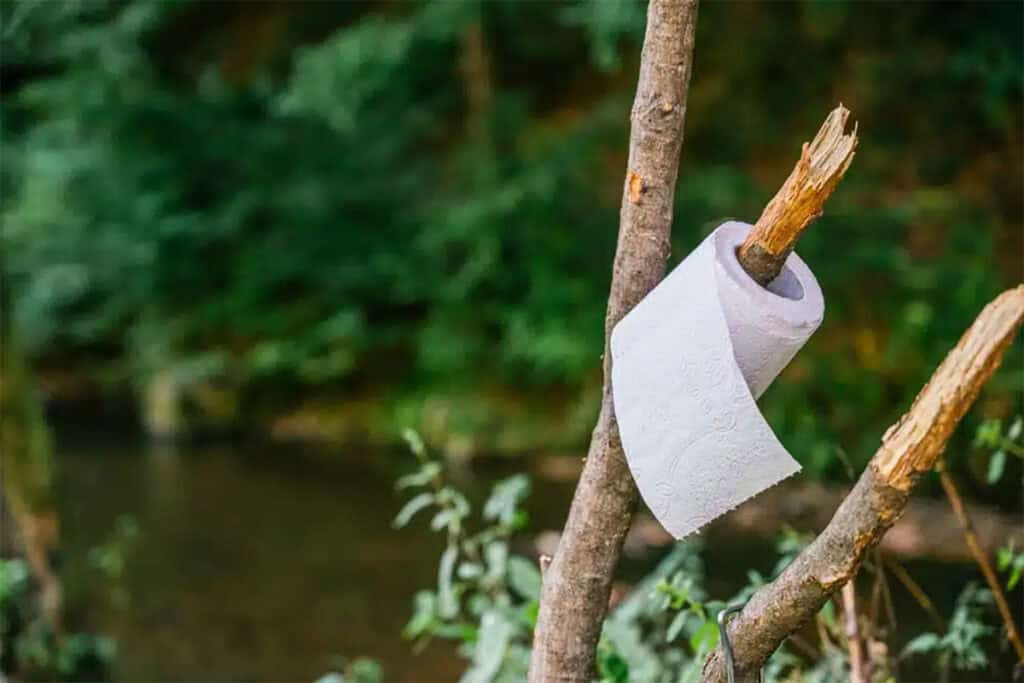
The amount of discarded toilet paper seen on the West Highland Way is quite distressing. There is actually no need for it. And I don't mean to hold off going to the toilet all day, I mean toilet responsibly. If you are unsure on how to go to the toilet on the trail, I've written an excellent article about how to do this – Number ones and number twos included. To wet your appetite, here's the list:
- Kula Cloth/Pee Cloth – Reusable antimicrobial pee cloth for front-end hygiene; sun-sanitised, quick-drying, folds closed, attaches to pack, rinse nightly to clean.
- Portable Bidet (aka Backcountry Bidet) – For use instead of toilet paper, portable bidets squirt a steady stream of water over your genitals, cleansing after toileting or to freshen up to prevent chafing.
- Female Urination Device (FUD) – An innovative product for individuals who traditionally sit or squat to urinate, enabling them to do so while standing up.
- Small Trowel – The correct Leave no Trace procedure is for you to bury your waste. They are usually made from titanium, are extremely strong and sharp and can cut through grass roots easily to dig a hole.
- Poop Kit Bag – Keep everything in one place, and clean away from your other pack items. Bright yellow to make it easy to identify if you're in a hurry!


Food and Snack Breaks
At most accomodation there will be breakfast and dinner available – if not in-house, then close by. Some accommodation will provide a packed lunch; others, especially in towns with a supermarket, may not. I have a detailed post on Food for Day Hikes, which may be useful in this instance.
A number of supermarkets along the route catered to hikers, with small items like hard-boiled eggs, single-serve cheese portions, and other trail-friendly food you can grab without needing a full kitchen. Here are some ideas for snacks and lunches I’d take on the trail:
- Sandwiches or rolls (shop-bought or DIY)
- Trail mix, nuts, dried fruit
- Oat bars, flapjacks, or energy snacks
- Hard cheese, boiled eggs, cured meats
- Fruit – apples travel well and are a nice refreshing snack
As there are no tables or seats along the trail between towns, a lightweight sit pad is a great accessory to have. It'll protect your buttocks from cold damp wet and hard! My favourite pack, the Gossamer Gear Gorilla, has a sit pad included which is pretty cool!


Coffee and Tea (or Hot Soup!)
Want the ability to stop mid-morning for a coffee, enjoy a hot cup of tea in the afternoon, or even a hot soup at lunch. More than once, while we were making our brew on the West Highland Way, inn-to-inn hikers would stop to chat, eyeing off our steaming mugs with open envy.
A small, lightweight cooker doesn’t cost much more than a couple of café stops — and the ultralight options on the market now are compact and small, easy to use, and weigh just a few hundred grams.
If you think this is something you could carry, I totally recommend it. Having a proper coffee mid-morning is a real pick-me-up. And don’t forget a packet of Hobnobs to go with it!
One good example is the Jetboil Zip. It’s a compact all-in-one stove that boils enough water for two cups in just two minutes. And for the coffee lover, there’s even a compatible coffee press attachment that turns it into a little French press setup. And don't forget a lightweight collapsible cup!


For many hikers, this may be the first time using a small gas stove, so make sure you're confident with how it works and plan ahead for fuel. Gas canisters can’t be taken on a flight, but they can be safely carried by bus or train. You can pick one up at any outdoor store in Glasgow, Inverness, or Edinburgh — and as well as the supply points along the trail.
Food Supply Points
There are full supermarkets at:
- Milngavie (right at the start)
- Tyndrum (Green Welly Stop and a small supermarket just near the start of the trail)
- Kinlochleven (good co-op and small eateries)
- Fort William (at the finish of the WHW)
West Highland Way Gear List
A complete list of all items mentioned in this post.
Pack
- Gossamer Gear Gorilla Pack
- Osprey Eja 38
- Sleeping Bag (if staying in bunkhouses or pods)
- Sleeping Bag Liner (if staying in bunkhouses or pods)
Footwear
- Hiking Boots
- Trail Runners
- Moleskin
- RockTape
- Hiker's Wool
- Merino Socks
- Sock Liners
- Crocs (for River Crossing/Camp Shoes)
- Sandals (for River Crossing/Camp Shoes)
- Recovery Shoes
- Hut Slippers
- Post: Blister Prevention & Management
Wet Weather Gear
- Patagonia Torrentshell Jacket
- Gortex Jacket
- Quick-drying Hiking Pants
- Rain Pants
- Rain Skirt
- Waterproof Gloves
- Waterproof Socks
- Pack Cover
- Pack Liner
- Dry Bags
- Hiking Poncho
Clothing
- Quick-dry Hiking Shirt
- Quick-dry Hiking Long Sleeved Top
- Sun hoodie
- Long-sleeve Performance Base Layer
- Long-sleeve Merino Base Layer
- Fleece
- Hiking Pants
- Leggings
- Hiking Shorts
- Hiking T-shirt
- Hiking Socks
- Underwear
- Bra
- Mosquito/Midge Net
Sun Protection
Hiking Poles
Gear for Warmth
- Down Puffer
- Primaloft Puffer (Synthetic. Patagonia Nano Puff)
- Beanie
- Warm gloves
- Merino Base Layer
- Performance Base Layer
- Merino Neck Buff
- Insulated Hiking Pants
Hydration
- Hydration Bladder (Water Reservoir)
- Water Bottle
- Water Bottle with Filter
- Aquatabs (Water Purification Tablets
- Electrolyte Tablets
- Electrolyte Chews
Toiletries & First Aid
- Dry Shampoo
- Shampoo and Conditioner Solid Bars
- Small Leakproof Travel Bottles
- Reusable Travel Toothpaste Tubes
- Hiking First Aid Kit
- Paracetamol
- Ibuprofen
- Anti-histamine
- Kula Cloth/Pee Cloth
- Portable Bidet (aka Backcountry Bidet)
- Female Urination Device (FUD)
- Small Trowel
- Poop Kit Bag
- Post: How to go to the Toilet when Hiking
- Post: First Aid Kit for Hikers – Everything you Need and Nothing you Don't
- Post: The 7 Leave No Trace Principles
Navigation & Electronics
- FarOut Guides
- All Trails
- Trekking the West Highland Way by Andrew McCluggage
- 10,000 mAh Portable Charger (Power Bank)
- Ordinance and Survey Maps
- Compass
- Sports Watch
- Garmin inReach
Insurance
Food & Snack Breaks
And that's a Wrap!
Thank you for reading, it was a pleasure to write. If you enjoyed it, or if it’s inspired you to walk these roads, take a look at our other in-depth guides below. The West Highland Way is an amazing walk and deserves a place on everyone’s bucket list.
And don't forget to grab out free interactive packing list. It's super cool – you can add notes, save, print and even share with your friends and hiking crew. Especially created for the West Highland Way and other inn-to-inn hikes in the United Kingdom, this packing list will help you get sorted.
Happy Hiking!


Free West Highland Way Packing List
Pack light, stay organised, and remember every essential for Scotland’s most famous long-distance trail. Add notes, save or print, and share with hiking partners. Works on any device.
Frequently Asked Questions
What should I pack for the West Highland Way?
Your West Highland Way packing list should focus on lightweight, quick-drying clothing, reliable waterproofs, and comfortable footwear suited to long-distance walking. A pack around 30–40L is enough for inn-to-inn hiking. Include three pairs of socks and underwear for rotation, plus layers you can add at rest stops when the weather turns cold.
Do I need hiking boots for the West Highland Way?
You don’t have to wear boots. Some walkers prefer traditional hiking boots for ankle support and warmth, while others choose trail runners for lighter weight and faster drying. Both work on the West Highland Way’s well-trodden paths, so the best option is what keeps you comfortable over 6-7 days of mixed terrain.
How much should my pack weigh on the West Highland Way?
Aim for a base weight around 7kg (15lb) without food or water. That’s light enough to carry comfortably but still covers clothing, waterproofs, and daily essentials. With water and snacks, expect your pack to weigh a little more. Anything heavier than 10–11kg can feel punishing over multiple days of walking.
Do I need waterproofs on the West Highland Way?
Yes. Scotland’s weather is famously unpredictable, so a waterproof jacket with good ventilation is essential. Many hikers skip waterproof trousers and rely on quick-drying pants, but rain pants or a rain skirt are worth packing if you want extra protection. Don’t forget small waterproof extras like pack liners, dry bags, and gloves.
How do I wash clothes on the West Highland Way?
Most inn-to-inn hikers carry three pairs of socks and underwear, washing one set each night and rotating daily. Many accommodations have a bathroom rail or radiator for drying clothes. Scotland’s damp climate means socks may take longer to dry, but a three-pair system ensures you always have something fresh to wear.
How do you keep hydrated on the West Highland Way?
Hydration is critical even in Scotland’s cool climate. Cold, dry air means you lose fluids through breathing as well as sweat. Carry water in bottles or a bladder, and use a pack liner or dry bags if your pack isn’t waterproof. Electrolyte tablets are strongly recommended to replace salts lost during long walking days.
Do I need hiking poles for the West Highland Way?
Trekking poles or hiking poles aren’t essential, but many hikers find them helpful on uneven paths or during long descents. They reduce pressure on your knees and provide stability in mud or wet ground. On the West Highland Way they’re especially useful on the long descent into Kinlochleven, which is hard on the knees.
What clothing is best for the West Highland Way?
Layering is the key. Use a breathable base layer, a warm mid-layer like fleece or light down, and a waterproof shell for rain. Avoid heavy insulated jackets for hiking, as they cause sweating and chills. A beanie is invaluable once you stop moving, since the head loses heat quickly in cold conditions.
What size backpack for the West Highland Way?
A 30–40L pack is ideal for inn-to-inn hikers. This size easily carries clothing, waterproofs, and essentials without tempting you to overpack. Larger packs, like 55L or more, are unnecessary unless you’re carrying full camping gear. Keeping your base weight around 7kg makes the walk much more enjoyable.
Can I dry clothes overnight on the West Highland Way?
Drying overnight isn’t guaranteed, especially for socks in damp weather. Many inns and B&Bs have a radiator or rail that helps, but a three-pair rotation is your best strategy. To speed up drying, wring socks or underwear inside a towel before hanging. This removes excess moisture and cuts drying time.